

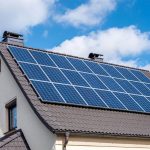

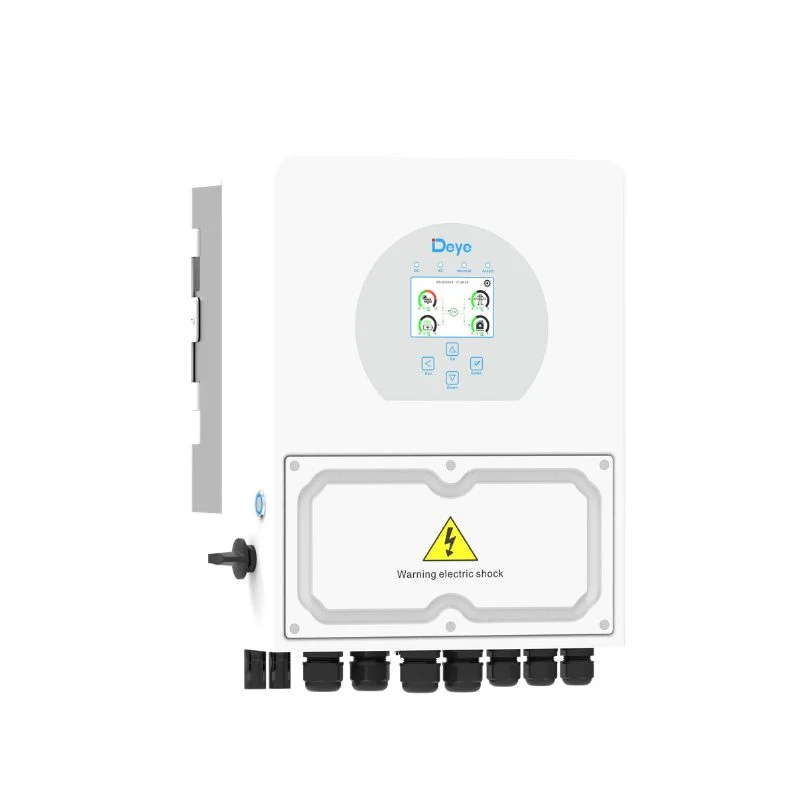
If you’re planning to install solar power for your home in Kenya, you’ve likely come across the Deye 6KVA Hybrid Inverter. It’s one of the most popular choices today—and for good reason.
But the real question most homeowners ask is not just what it is, but:
“Is the Deye 6KVA inverter the right choice for my home?”
This guide answers that question from a practical, customer-focused perspective—covering performance, cost, suitability, and real-world use in Kenya.
What Is the Deye 6KVA Hybrid Inverter?
The Deye 6KVA Hybrid Inverter is a smart energy management system that combines:
- Solar power from panels
- Battery storage
- Grid electricity (Kenya Power)
- Generator backup (optional)
All in one unit.
This means your home can automatically switch between power sources depending on availability—ensuring you always have electricity.
Why Homeowners in Kenya Are Choosing Deye 6KVA
Power outages, rising electricity costs, and the need for reliable energy have made hybrid systems the preferred choice.
The Deye 6KVA inverter stands out because it offers:
- Reliable backup during blackouts
- Reduced electricity bills
- Flexibility to expand your system
- Compatibility with modern lithium batteries
For many homes in Nairobi, Ruiru, and Kiambu, it strikes the perfect balance between performance and cost.
What Can a Deye 6KVA Inverter Run?
One of the biggest concerns for homeowners is whether the inverter can handle their appliances.
A typical 6KVA system (approx. 6kW output) can comfortably run:
- Lighting for the entire house
- TVs and entertainment systems
- Refrigerators and freezers
- WiFi routers and office equipment
- Washing machine (moderate use)
- Microwave and small kitchen appliances
With proper system design, it can also support:
- Water pumps (depending on size)
- Electric fence systems
- Gate automation systems
This makes it ideal for a standard 3–4 bedroom home.
Recommended Solar System Setup
To get the best performance from a Deye 6KVA inverter, the system should be properly sized.
Typical Setup in Kenya
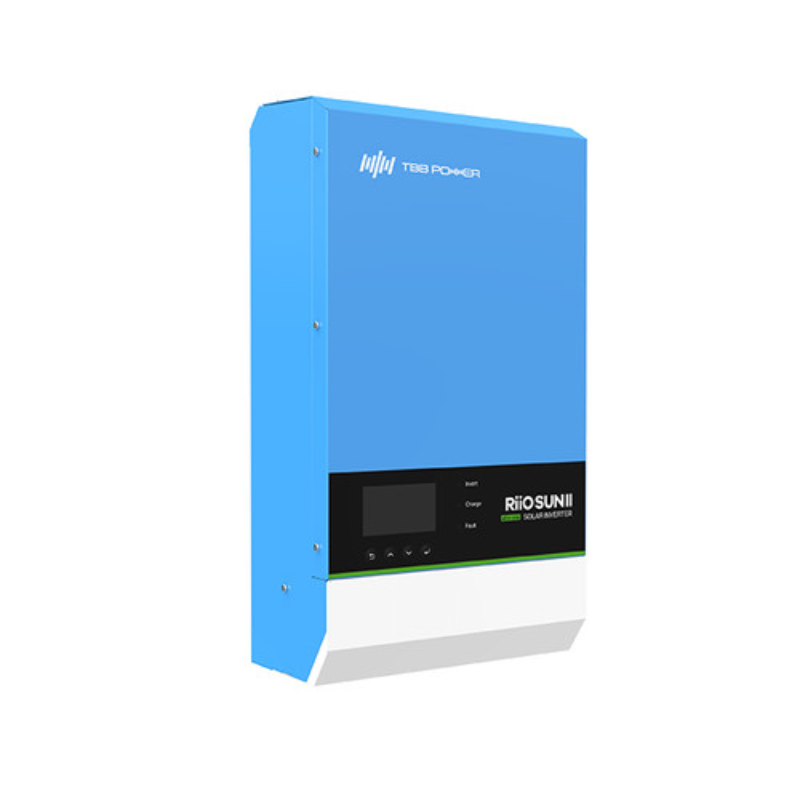
- Inverter: Deye 6KVA Hybrid
- Solar Panels: 6 – 10 panels (550W each)
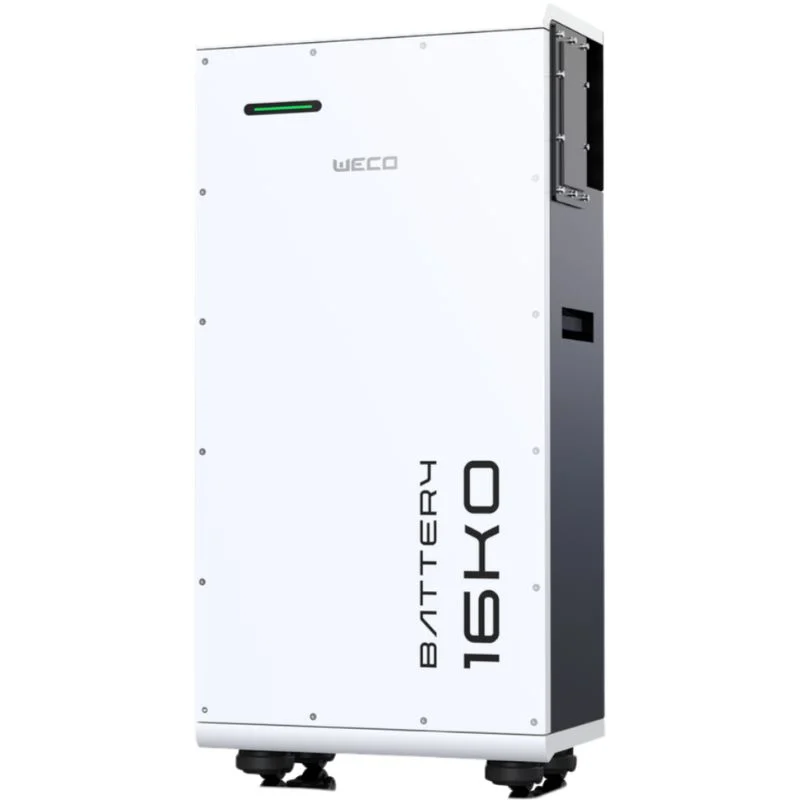
- Battery: 5kWh – 10kWh lithium battery
- Mounting & accessories: Cables, protection devices, etc.
This setup ensures:
- Efficient daytime solar usage
- Backup power at night
- Smooth switching during outages
Key Features That Matter to You
1. Hybrid Functionality
The inverter intelligently manages power from solar, battery, and grid. You don’t have to manually switch anything.
2. Backup During Power Outages
When Kenya Power goes off, your system automatically switches to battery power. This is one of the biggest advantages for homeowners.
3. Lithium Battery Compatibility
The inverter works seamlessly with modern lithium batteries, which are:
- Longer lasting
- Faster charging
- More efficient than traditional batteries
4. Smart Monitoring
You can monitor your system using a mobile app, allowing you to:
- Track energy usage
- Monitor battery levels
- Identify issues early
5. Expandability
You can start with a smaller system and expand later by adding:
- More panels
- More batteries
This flexibility is important for growing households.
Cost of Deye 6KVA Inverter in Kenya
Pricing depends on the full system, not just the inverter.
Estimated Costs (2026)
| Component | Price Range (KES) |
|---|---|
| Deye 6KVA inverter | 110,000 – 140,000 |
| Solar panels (6–10 panels) | 60,000 – 150,000 |
| Lithium battery (5–10kWh) | 120,000 – 300,000 |
| Installation & accessories | 30,000 – 80,000 |
Total System Cost
Approximate total: 200,000 – 450,000+ KES
The final cost depends on your energy needs and battery capacity.
Real Customer Experience
Michael K., Ruiru:
“We installed a Deye 6KVA system and it has completely changed how we use electricity. Even during outages, everything keeps running.”
Jane W., Kiambu:
“The ability to monitor power usage on my phone is very helpful. I can see exactly how much solar energy we are using.”
David M., Nairobi:
“It’s a good investment. We have reduced our electricity bills and now have reliable backup.”
Is the Deye 6KVA Inverter Right for You?
It is ideal if:
- You live in a 3–4 bedroom home
- You experience frequent power outages
- You want to reduce electricity bills
- You want a system that can grow with your needs
It may not be enough if:
- You run heavy equipment (large pumps, industrial machines)
- You have very high power demand
In such cases, a larger system (8kVA or 10kVA) may be more suitable.
Common Mistakes to Avoid
- Installing too few solar panels
- Using low-quality batteries
- Choosing unqualified installers
- Undersizing the system
A properly designed system ensures long-term reliability.
Final Recommendation
The Deye 6KVA Hybrid Inverter is one of the best choices for homeowners in Kenya who want:
- Reliable backup power
- Lower electricity costs
- A scalable solar solution
It offers a strong balance between affordability and performance, making it suitable for most modern homes.
FAQs
1. How many panels do I need for a Deye 6KVA inverter?
Typically 6–10 panels, depending on your energy usage.
2. Can it run a fridge and TV at the same time?
Yes, comfortably.
3. How long does the battery last?
Depends on battery size, but typically several hours during outages.
4. Can I upgrade later?
Yes, you can add more panels and batteries.
5. Is it better than a normal inverter?
Yes, because it supports solar, battery, and grid in one system.
Contact Happy Solar Systems
Looking to install a Deye 6KVA Hybrid Inverter in Kenya?
Website: www.happysolar.co.ke
Call | WhatsApp: 0741 163020
We provide professional consultation, system design, and installation tailored to your home and energy needs.