

Grid-Tie Power Systems
As electricity costs in Kenya continue to rise, more homeowners, businesses, and institutions are turning to grid-tie solar power systems as an affordable and efficient way to reduce power bills while maintaining access to the national grid.
Grid-tied solar systems are especially popular in urban areas such as Nairobi, Mombasa, Kiambu, Nakuru, and Kisumu, where grid electricity is available but expensive.
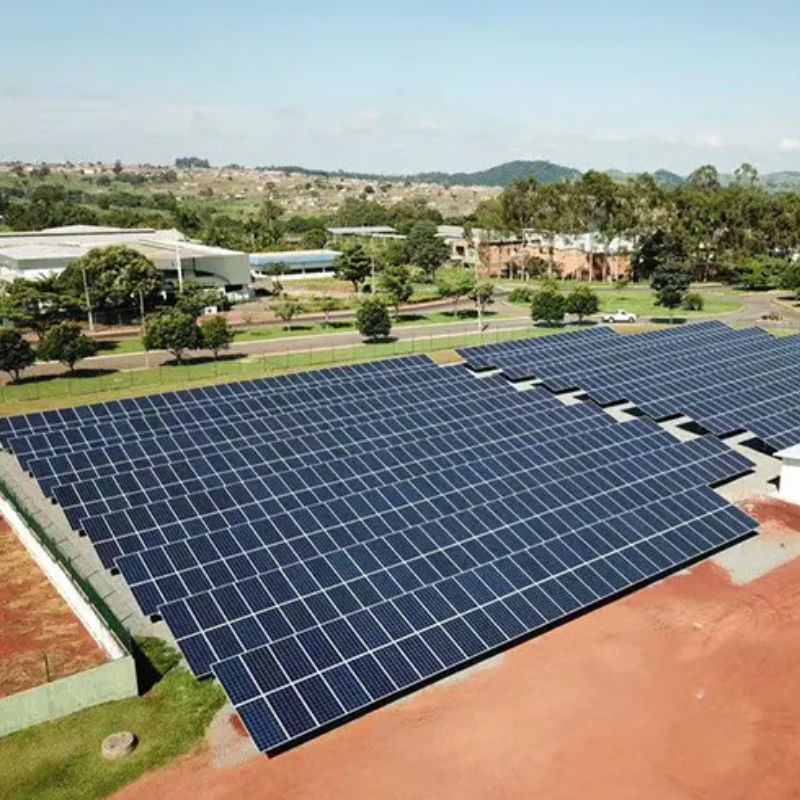
How Grid-Tie Solar Systems Work
-
Solar panels generate electricity during the day.
-
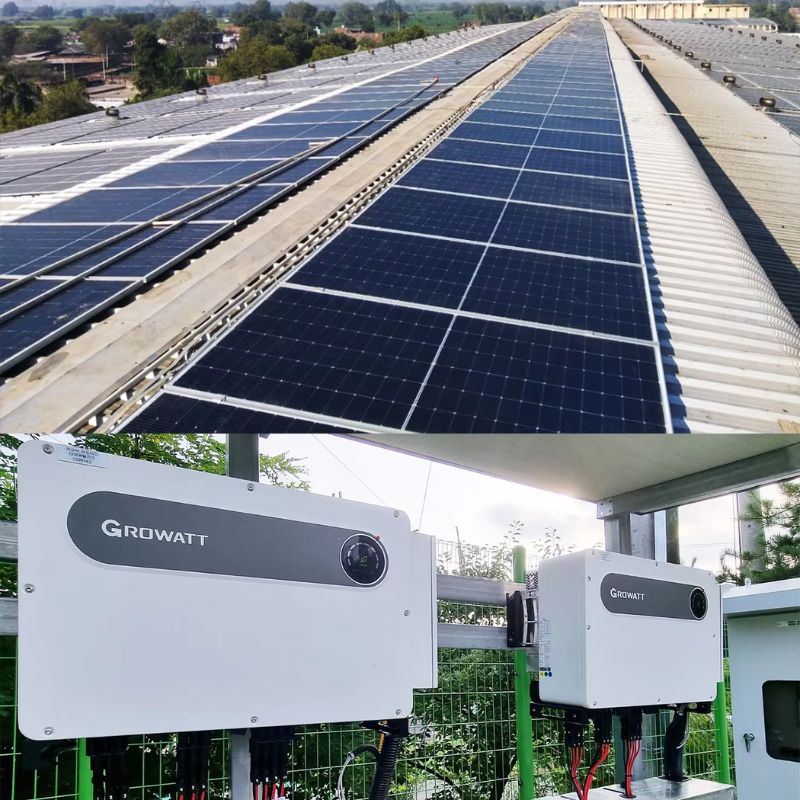
Grid-tie inverter converts DC power to AC power for use in your premises.
-
Solar energy is consumed in real time, powering appliances, lights, and equipment.
-
Any shortfall is supplied by the grid automatically.
-
During the night or low sunlight, all power comes from the grid.
Benefits of Grid-Tie Solar Power Systems
✔ Significant Reduction in Electricity Bills
✔ Lower Installation Costs Compared to Battery Systems
✔ High System Efficiency
✔ Environmentally Friendly Energy Solution
✔ Scalable – Easy to Expand with More Panels
Frequently Asked Questions
Grid-tie solar power systems offer a cost-effective and efficient way for Kenyans to reduce electricity bills and embrace clean energy. While they don’t provide backup power, they are perfect for users with reliable grid access and high daytime electricity usage. As energy costs continue to rise, grid-tie solar remains one of the smartest investments for homes and businesses across Kenya.
Client Testimonials
Grid-Tie Solar Power Systems in Kenya
Why Grid-Tie Solar Systems Are Popular in Kenya
1. Rising Electricity Tariffs
Kenya Power tariffs have increased over the years. Grid-tie solar systems allow users to offset daytime electricity consumption, leading to significant monthly savings.
2. Lower System Cost
Because grid-tie systems do not require batteries, they are more affordable than hybrid or off-grid solar solutions.
3. High Solar Potential
Kenya receives strong sunlight throughout the year, making grid-tie solar systems highly efficient and reliable.
4. Minimal Maintenance
With fewer components and no batteries, maintenance costs are low and system lifespan is longer.