


Home Solar Packages
Solar power systems empower Kenyan homeowners with reliable, affordable, and sustainable electricity, ensuring comfort, security, and financial savings regardless of grid performance.
Solar power also supports a clean and sustainable lifestyle. By using renewable energy, homeowners reduce their carbon footprint and reliance on fossil fuels. This aligns with Kenya’s national renewable energy goals and helps protect the environment for future generations. At the same time, solar systems require minimal maintenance, making them a convenient and hassle-free energy solution for both urban and rural homes.
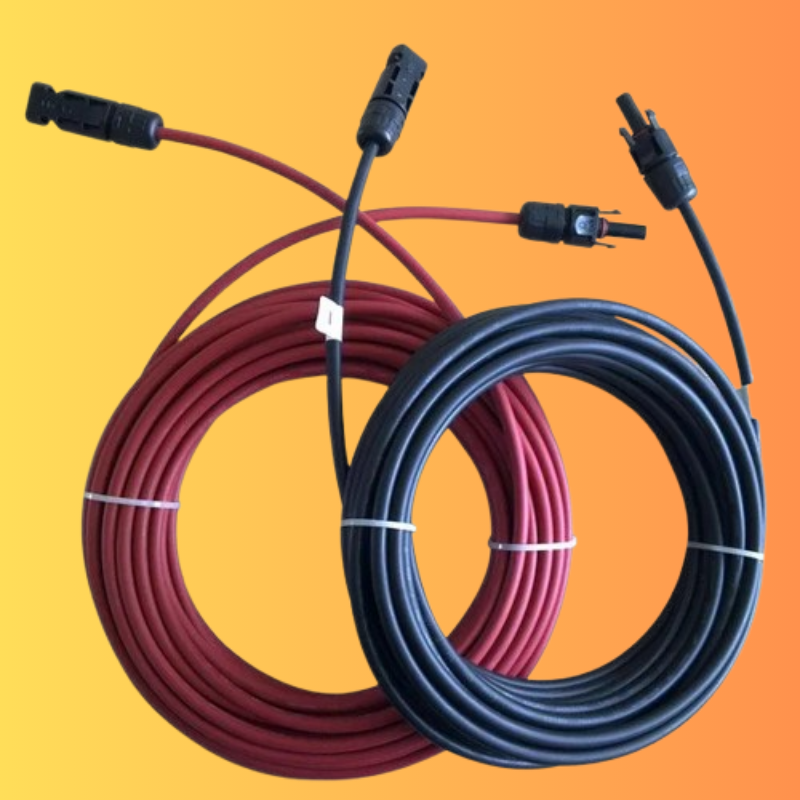
Family Solar Package
The Family Package is a reliable, efficient, and thoughtfully designed solar solution created to comfortably meet the everyday power needs of small to medium-sized family homes in Kenya.
With a smart balance of performance and affordability, the Family Package delivers dependable energy you can count on—day and night, every day—so your family stays comfortable, connected, and stress-free.
- 1 x 5KW DEYE Hybrid Inverter
- 1 x 5KWH Lithium Valley Litium Battery
- 4 X 585 Watts Jinko Solar Panels
- Aluminium Roof Solar Mounting Structure Set
- AC Protection Sundries Set
- DC Protection Sundries Set
- Manual Changeover Switch
- Installation Sundries
- Delivery & Professional Installation
- Total Cost: KES 330,000.00
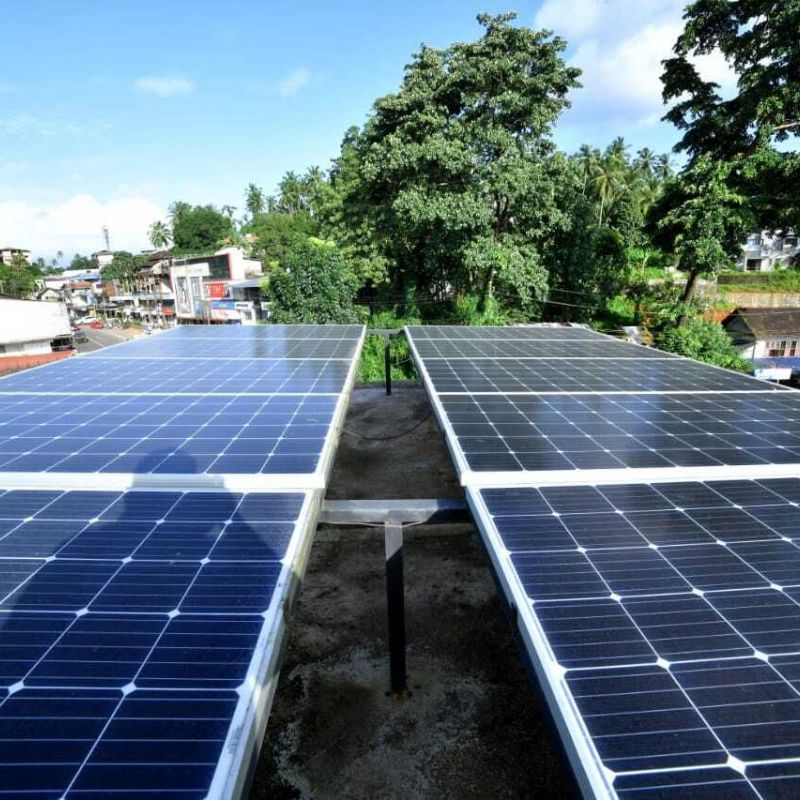
Standard Home Package
The Standard Solar Power Installation Package is a practical and cost-effective solution designed for Kenyan homes that need reliable electricity for everyday living. It is ideal for families looking to reduce electricity bills, stay powered during blackouts, and enjoy consistent energy without investing in a large or complex system.
This package is well-suited for small to medium-sized households and offers a balanced combination of performance, backup power, and affordability.
- 1 x 5KW DEYE Hybrid Inverter
- 2 X 5KWH Lithium Valley Lithium Batteries
- 8 x 585 Watts Jinko Solar Panels
- Aluminium Roof Solar Mounting Structure Set
- AC Protection Sundries Set
- DC Protection Sundries Set
- Automatic Changeover Switch
- Installation Sundries
- Delivery & Professional Installation
- Total Cost: KES 496,000.00
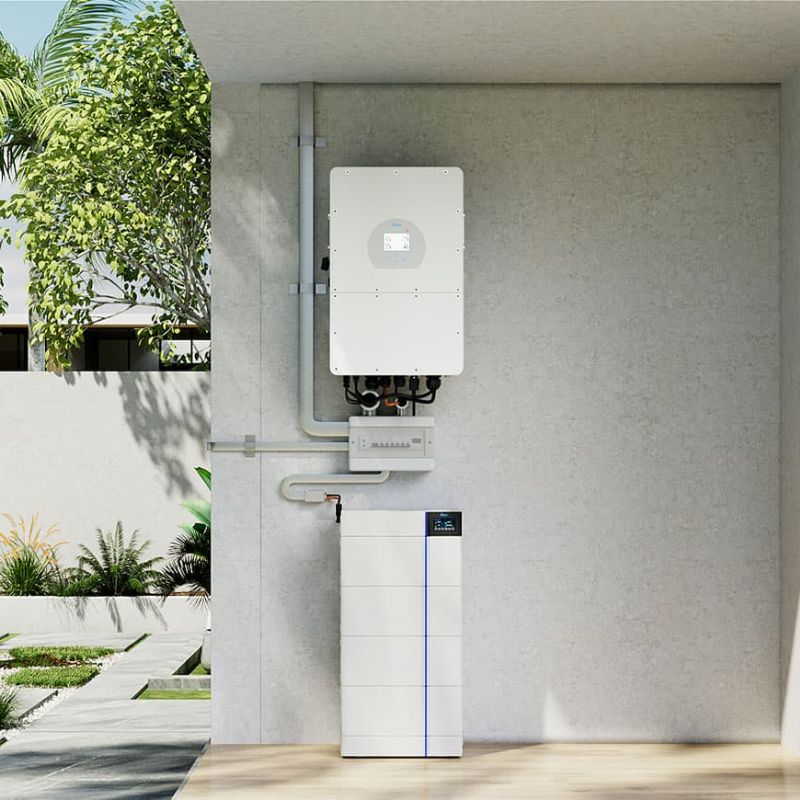
Premium Home Package
The Premium Family Solar Power Installation Package is designed for Kenyan households that want a higher level of comfort, reliability, and energy independence. It is ideal for medium to large family homes with higher electricity consumption, multiple appliances, and the need for long backup power during frequent blackouts.
This package combines powerful solar generation, advanced battery storage, and smart energy management to deliver seamless power day and night, even when the grid is unavailable.
- 2 X 5KWH DEYE Hybrid Inverters
- 2 x 10KWH Lithium Batteries
- 16 X 585 Watts Jinko Solar Panels
- AC Protection Sundries Set
- DC Protection Sundries Set
- Automatic Changeover Switch
- Installation Sundries
- Delivery & Professional Installation
- Total Cost: KES 950,000.00
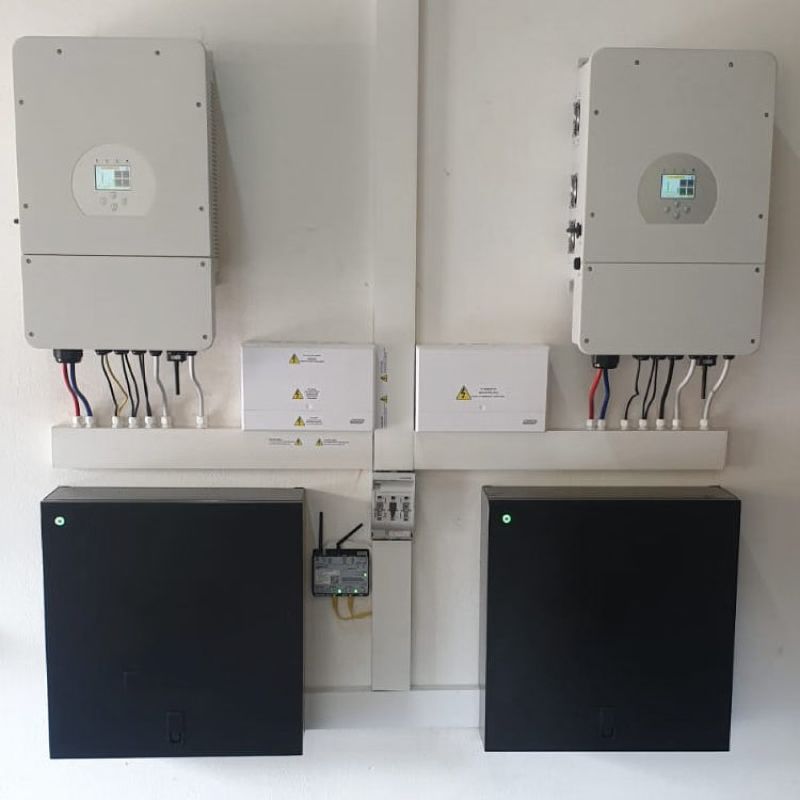
Ultimate Home Package
The Ultimate Home Solar Power Package is our most advanced and powerful solar solution, designed for homeowners who want complete energy independence, maximum comfort, and zero compromise on performance. It is ideal for large homes, luxury residences, farms, and properties with high electricity demand where uninterrupted power is essential.
This package delivers round-the-clock electricity, allowing your home to run smoothly whether the grid is available or not.
- 2 X 8KWH DEYE Hybrid Inverters
- 2 x 10KWH Lithium Valley Lithium Batteries
- 24X 585 Watts Jinko Solar Panels
- Aluminium Roof Solar Mounting Structure Set
- AC Protection Sundries Set
- DC Protection Sundries Set
- Automatic Changeover Switch
- Installation Sundries
- Delivery & Professional Installation
- Total Cost: KES 1,080,000.00
Home Solar Packages
Solar power systems offer Kenyan homeowners energy independence, lower electricity bills, and reliable power even during blackouts. Below are common home packages — each tailored for different energy needs and budgets.
Family Package
5KWh Solar Power Package
- 1 x 5KW Hybrid Inverter
- 1 x 5KWH Litium-Ion Battery
- 4 X 585 Watts Solar Panels
- Surge Protection Devices & Accessories
- Solar Panel Mounting Structure
- Electrical Cabling
- Professional Installation & Commissioning
Standard Package
10KWH Solar Power Package
- 1 x 5KW Hybrid Inverter
- 2 X 5KWH Lithium-Ion Batteries
- 8 x 585 Watts Solar Panels
- Surge Protection Devices & Accessories
- Solar Panels Mounting Structure
- Electrical Cabling
- Professional Installation & Commissioning
Premium Package
20KWH Solar Power Package
- 2 X 5KWH Hybrid Inverters
- 4 x 5KWH Lithium Batteries
- 16 X 585 Watts Solar Panels
- Surge Protection Devices & Accessories
- Solar Panels Mounting Structure
- Electrical Cabling
- Professional Installation & Commissioning
Happy Solar Systems shall supply, install, test, and commission the solar power system as specified in the agreed quotation or proposal. The scope includes equipment supply, mounting, wiring, inverter and battery setup, system testing, and basic user training. Any work not explicitly listed in the quotation shall be considered outside the scope and may attract additional charges.