


Hot Water Solar Systems
Hot water is an essential requirement for homes, hotels, hospitals, schools, and industries across Kenya. However, heating water using electricity or diesel is expensive and increases monthly energy bills. With Kenya’s abundant sunshine, solar water heating systems offer a cost-effective, eco-friendly, and reliable alternative.
What Is a Solar Water Heating System?
A solar water heating system uses energy from the sun to heat water for domestic or commercial use. It consists of solar collectors that capture sunlight and a storage tank that holds the heated water for later use.
In Kenya, solar water heaters are widely used in residential homes, apartments, hotels, hospitals, and institutions due to their simplicity, efficiency, and long-term savings.
Solar water heating systems are one of the most practical and affordable solar solutions in Kenya. They significantly reduce electricity bills, provide reliable hot water, and support sustainable energy use.
With Kenya’s favorable climate and rising energy costs, investing in a solar water heating system is a smart decision for homes and businesses alike.
Frequently Asked Questions (FAQs) – Solar Water Heating Systems in Kenya
Why Solar Water Heating Is a Smart Investment in Kenya
✔ Reduces electricity and fuel costs
✔ Works efficiently with Kenya’s climate
✔ Long lifespan and low maintenance
✔ Ideal for residential and commercial use
✔ Environmentally friendly
1
Residential Solar Water Heater – Nairobi
Project Scope:
A homeowner wanted to reduce electricity bills caused by electric shower heaters and water boilers.
System Installed:
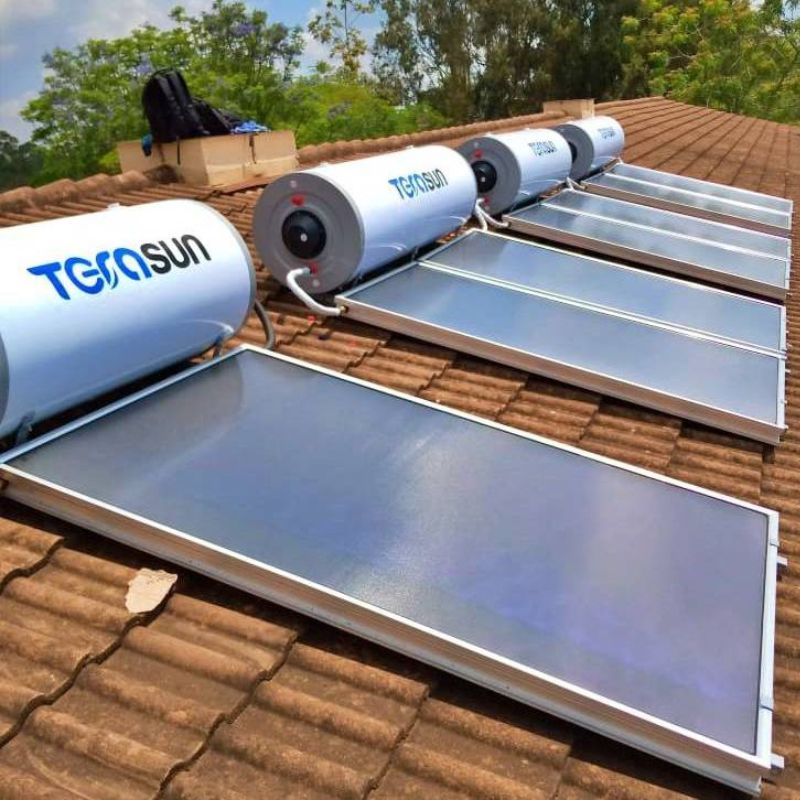
200-litre flat plate solar water heater
Roof-mounted thermosiphon system
Electric backup heater
Safety valves and insulated piping
Results Achieved:
Over 60% reduction in electricity bills
Reliable hot water throughout the day
Quick return on investment within 2 years
2
Hotel Solar Water Heating System – Naivasha
Project Scope:
A lodge required continuous hot water for guest rooms, kitchens, and laundry facilities while reducing generator and electricity usage.
System Installed:
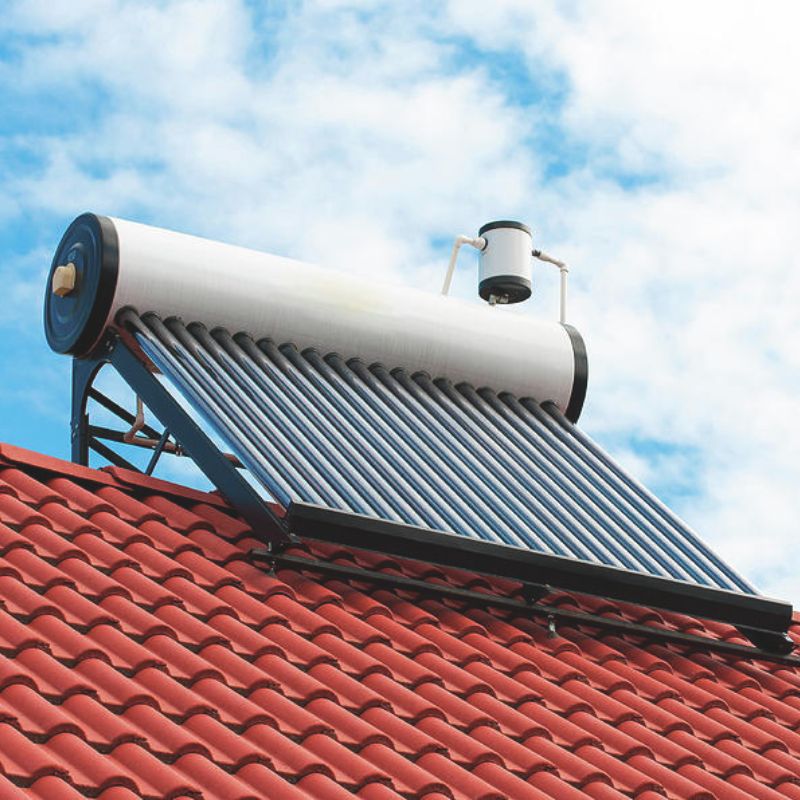
3,000-litre evacuated tube solar water heating system
Commercial-grade collectors
Gas backup heating system
Insulated piping network
Results Achieved:
Reduced hot water energy costs by 70%
Improved guest comfort
Lower generator fuel consumption
3
Apartment Block Solar Water Heating – Kiambu County
Project Scope:
A residential apartment building required a centralized hot water solution for multiple housing units, in compliance with EPRA regulations.
System Installed:
2,000-litre evacuated tube solar water heating system
Centralized hot water distribution
Backup electric heating system
Temperature and pressure control systems
Results Achieved:
Reduced energy costs for tenants
Compliance with regulatory requirements
Improved property value and tenant satisfaction
Client Testimonials – Solar Water Heating Systems in Kenya
Residential Client – Nairobi
“Installing a solar water heater was one of the best decisions we made. Hot water is always available, and our electricity bill dropped immediately. The system works perfectly even on cloudy days.”
Apartment Developer – Kiambu
“The solar water heating system helped us comply with EPRA requirements while reducing operational costs. Tenants are happy, and the system has been very reliable.”
School Administrator – Machakos
“Solar water heating has reduced our electricity expenses while providing reliable hot water for dormitories and kitchens. Maintenance is minimal and performance has been excellent.”
Hot Water Systems
Direct Solar Water Heating Systems (Open-Loop Systems)
How they work
Direct solar water heating systems heat water directly inside the solar collectors. Cold water flows into the collector, gets heated by the sun, and then rises naturally into an insulated storage tank.
These systems commonly use flat plate collectors or evacuated tube collectors and rely on the thermosiphon principle (hot water rises, cold water sinks).
Key Features
-
No heat exchanger
-
Water is heated directly
-
Simple design with fewer components
-
High efficiency in warm climates
Advantages
✔ High heat transfer efficiency
✔ Lower installation and maintenance cost
✔ Simple and reliable operation
✔ Ideal for strong sunshine regions
Limitations
⚠ Not suitable for areas with freezing temperatures
⚠ Can be affected by water scaling in hard water areas
Best Use in Kenya
✔ Residential homes
✔ Apartments with moderate hot water demand
✔ Coastal and low-altitude regions
✔ Homes with good water quality
Recommended for:
Most Kenyan households seeking an affordable and efficient solar water heating solution.
Hot Water Systems
Indirect Solar Water Heating Systems (Closed-Loop Systems)
How They Work
Indirect systems use a heat transfer fluid (such as antifreeze or treated water) that circulates through the solar collector. This fluid transfers heat to the household water through a heat exchanger inside the storage tank.
The household water never enters the collector directly.
Key Features
-
Closed-loop circulation
-
Heat exchanger inside the tank
-
Pump-assisted or gravity-based systems
-
Better temperature control
Advantages
✔ Protects system from corrosion and scaling
✔ Works well in colder or high-altitude regions
✔ Longer system lifespan
✔ Suitable for poor water quality areas
Limitations
⚠ Higher initial cost than direct systems
⚠ Slightly more complex maintenance
Best Use in Kenya
✔ High-altitude areas (e.g., Limuru, Nyeri, Naivasha)
✔ Hotels, hospitals, and institutions
✔ Areas with hard or corrosive water
✔ Large hot water demand applications
Recommended for:
Commercial and institutional installations requiring durability and reliability.
Hot Water Systems
PV (Photovoltaic) Water Heating Systems
How They Work
PV water heating systems use solar panels to generate electricity, which is then used to power an electric heating element inside a water tank. Unlike traditional solar thermal systems, PV systems do not use collectors or heat transfer fluids.
Key Features
-
Uses solar panels instead of thermal collectors
-
Simple electrical design
-
Can integrate with existing PV systems
-
No plumbing on the roof
Advantages
✔ Easy installation
✔ Low maintenance
✔ Flexible system design
✔ Works well with grid-tie or hybrid solar systems
Limitations
⚠ Lower efficiency compared to thermal collectors
⚠ Requires sufficient solar panel capacity
Best Use in Kenya
✔ Homes with existing solar PV systems
✔ Urban properties with limited roof plumbing options
✔ Retrofit projects replacing electric heaters
✔ Small to medium hot water demand
Recommended for:
Modern homes already using solar PV for electricity.
Hot Water Systems
Solar Heat Pump Water Heating Systems
How They Work
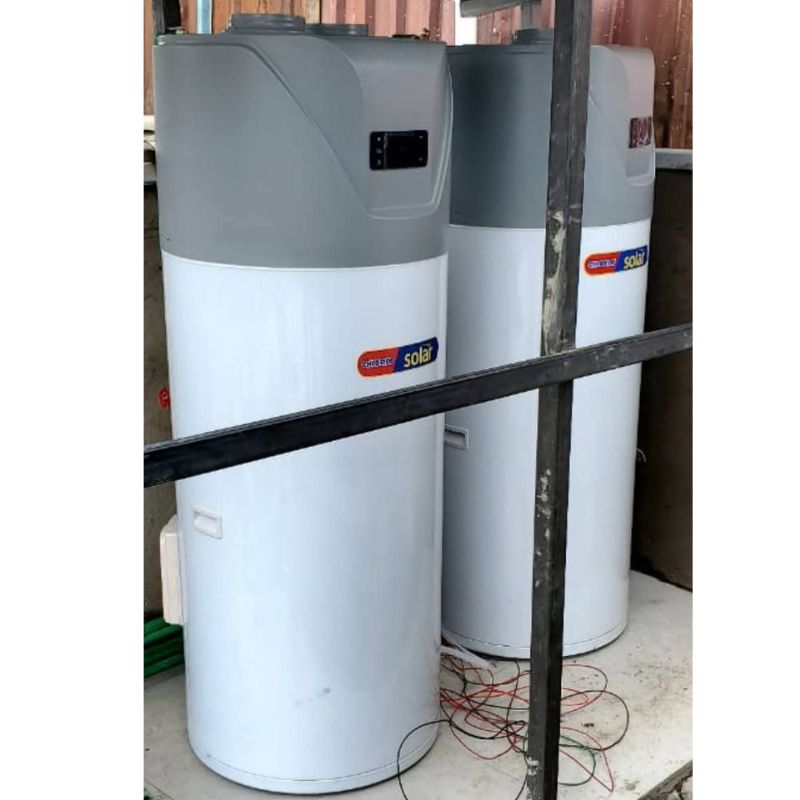
Solar heat pump systems extract heat from the surrounding air and use electricity (often solar-powered) to amplify this heat and transfer it to water. They are highly efficient, producing 3–5 units of heat for every unit of electricity consumed.
Key Features
-
Uses ambient air heat
-
Requires electricity to operate
-
Works day and night
-
Very high efficiency
Advantages
✔ Extremely energy-efficient
✔ Consistent hot water supply
✔ Works in all weather conditions
✔ Suitable for large demand
Limitations
⚠ Higher upfront cost
⚠ Requires space and good ventilation
Best Use in Kenya
✔ Hotels and lodges
✔ Hospitals and schools
✔ Apartments with high hot water demand
✔ Commercial laundry and kitchens
Recommended for:
High-demand users needing reliable, year-round hot water.