
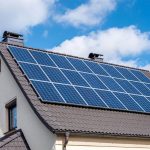

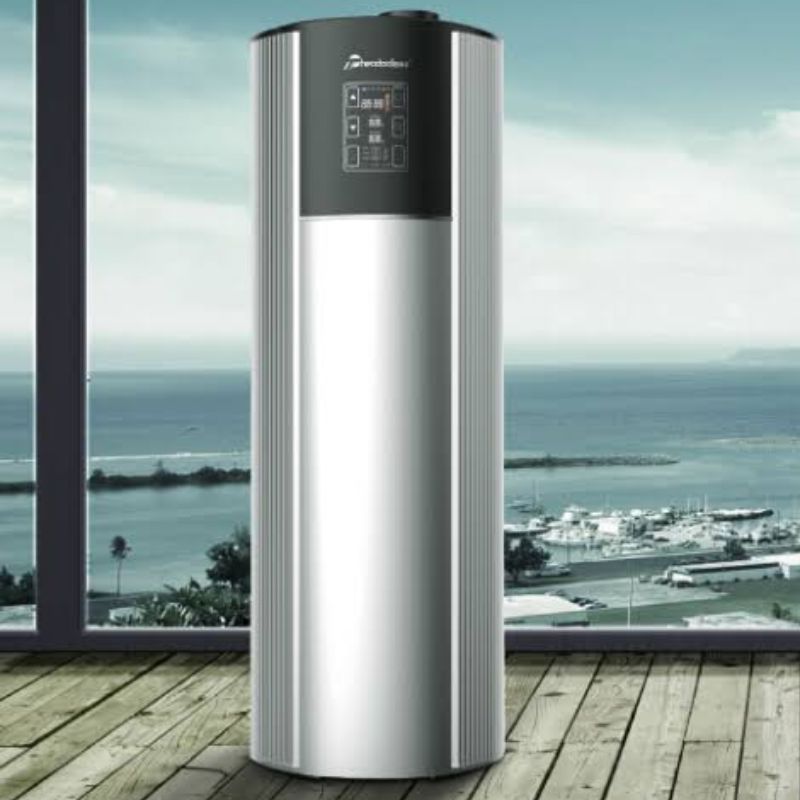
Most people come to us asking about solar water heating for one of two reasons: either they’ve heard it’s a legal requirement for certain buildings and want to know if that applies to them, or their electric water heater bill finally annoyed them enough to do something about it. Both are good reasons, and the answer to both is more interesting than you’d expect.
What the law actually says
Under Kenya’s Energy (Solar Water Heating) Regulations, 2012 (made under the Energy Act), buildings with a hot water demand above a certain threshold — this has historically applied to buildings using more than 100 litres of hot water a day, which in practice covers hotels, hospitals, schools, and larger residential developments — are required to install solar water heating systems to meet a defined share of that demand. It’s enforced through building approval processes in many counties, meaning it can come up at the plan-approval or occupation-certificate stage for qualifying new buildings.
If you’re building or renovating something in that category, it’s worth checking directly with your county’s building authority on current enforcement in your area, since compliance checking varies by county and has tightened over time. But broadly — if you’re building a hotel, school, hospital, or sizeable residential complex, assume this applies to you and plan for it from the design stage rather than bolting it on afterward.
Not sure if your project falls under this requirement, or want help with the compliance side? Call or WhatsApp us on +254 741 163020 — we handle EPRA-compliant solar water heating installations regularly and can advise on what applies to your specific building.
Even where it’s not required, the economics are hard to argue with
Your electric water heater — the “geyser,” as most Kenyans call it — is very often the single biggest line item on a household electricity bill, bigger than lighting, fridge, and everything else in the house combined, because heating water electrically is genuinely energy-hungry. Swap it for a solar water heater, and that cost mostly disappears, since you’re heating water using a thermal collector on the roof rather than an electric element.
Typical payback on a solar water heater is 12 to 24 months — genuinely one of the fastest-paying-back pieces of solar equipment you can install, faster even than a full PV system in most cases, because the saving starts from day one and the equipment cost is comparatively modest.
Curious what a solar water heater would actually save you? Send us your current bill on WhatsApp (+254 741 163020) or email info@happysolar.co.ke, and we’ll estimate your payback before you commit to anything.
Flat plate vs evacuated tube — which one
Two main types, and the right one depends mostly on your climate and water quality:
Flat plate collectors are the more common choice for most Kenyan homes — durable, perform well in Nairobi’s climate, and tend to handle hard water a little better over the long run.
Evacuated tube collectors heat water faster and perform better in cooler, cloudier conditions, which can make them a better fit for higher-altitude areas or locations that get more overcast days. They’re a touch more fragile and can be more sensitive to very hard water scaling the tubes over time without proper maintenance.
For most homes around Nairobi, we lean toward flat plate as the lower-maintenance, equally effective option — but it does depend on your specific site and water supply, which is worth checking before deciding.
Want a straight recommendation for your home rather than a general rule? +254 741 163020 — call, text, or WhatsApp, and we’ll tell you which type actually suits your water and climate.
What size tank you actually need
A rough guide: 100–150 litres suits a small household, 200 litres covers a typical family home comfortably, and hotels, schools, or larger households should expect 300 litres or more, often across multiple units rather than one large tank. Undersizing the tank is the most common mistake we see — a household that’s happy with solar water heating for the first six months, then adds a member or guest and suddenly finds themselves running out of hot water by evening because the tank was never sized with margin.
Our honest recommendation
Whether or not the law applies to your specific building, the economics alone make solar water heating one of the easiest decisions in the whole solar conversation — it’s cheaper than full PV, pays back faster, and tackles the single biggest electric load in most homes directly. If you’re already planning a full solar power system, it’s worth asking whether bundling in water heating makes sense for your budget, since there’s often efficiency in doing both at once.
Get in touch or call +254 741 163020 for a free assessment — we’ll tell you the right collector type, tank size, and realistic payback for your specific home or building before you spend a shilling.


