October 11, 2026

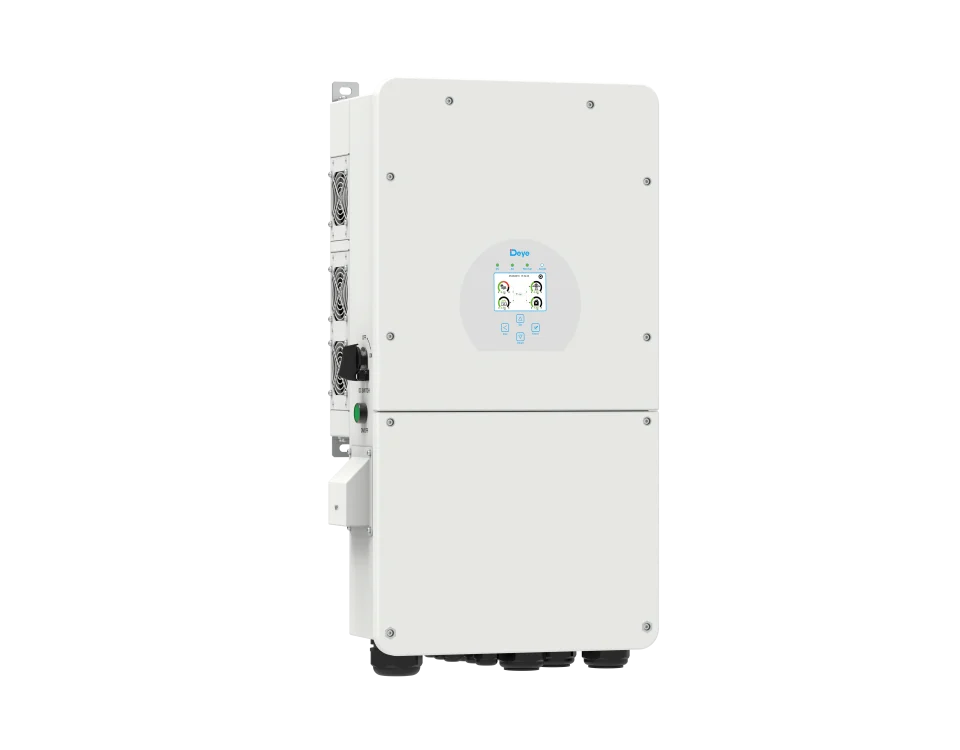
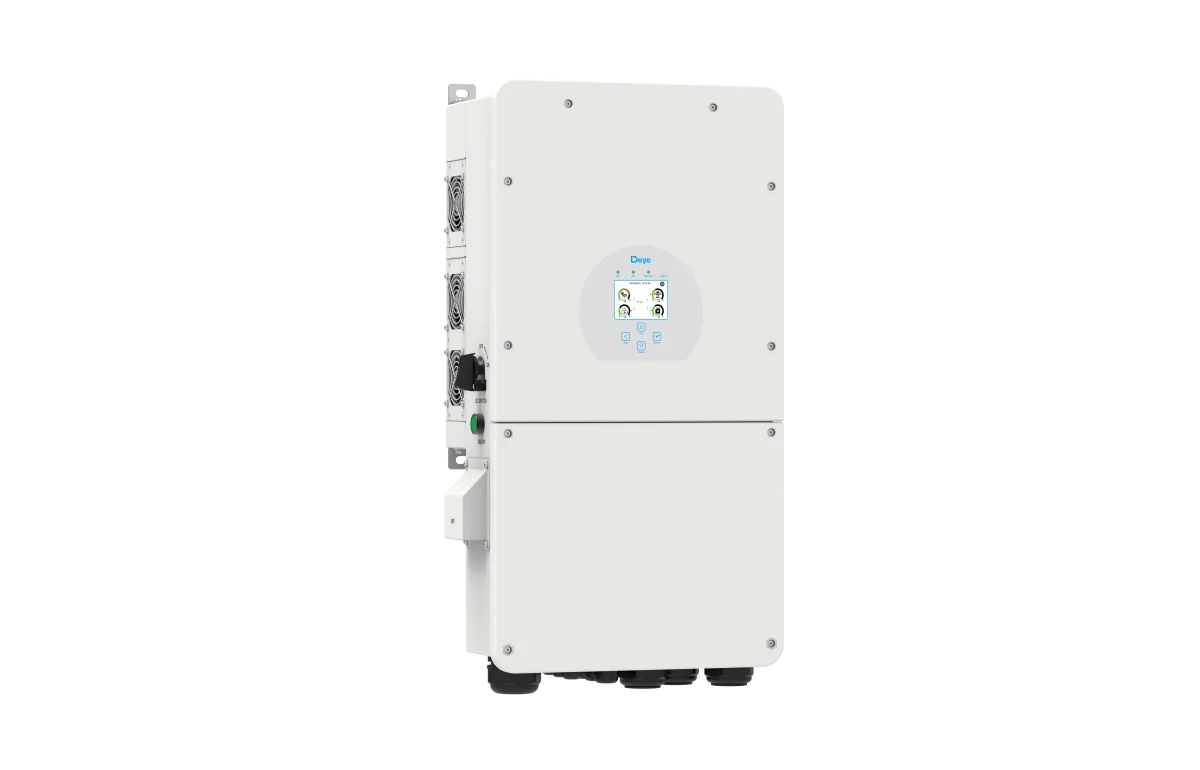
12kVA (3-Phase) Deye Solar Power Hybrid Inverter in Kenya

Why 12kVA 3-Phase Is Relevant in Kenya Increasing Residential and Commercial Load Requirements As homes grow bigger and small businesses become more energy-intensive in Kenya, so too does the need for more robust power solutions. Single-phase inverters like 5kVA or 8kVA can handle several appliances comfortably, but once you introduce heavy machinery, larger water pumps, cooling systems, workshops, or commercial loads, 3-phase power becomes necessary. A 12kVA 3-phase hybrid inverter takes you beyond basic backup. It enables balanced power distribution across three phases, reducing the risk of overload on a single line and improving overall efficiency. For larger homes, medium […]
September 28, 2026

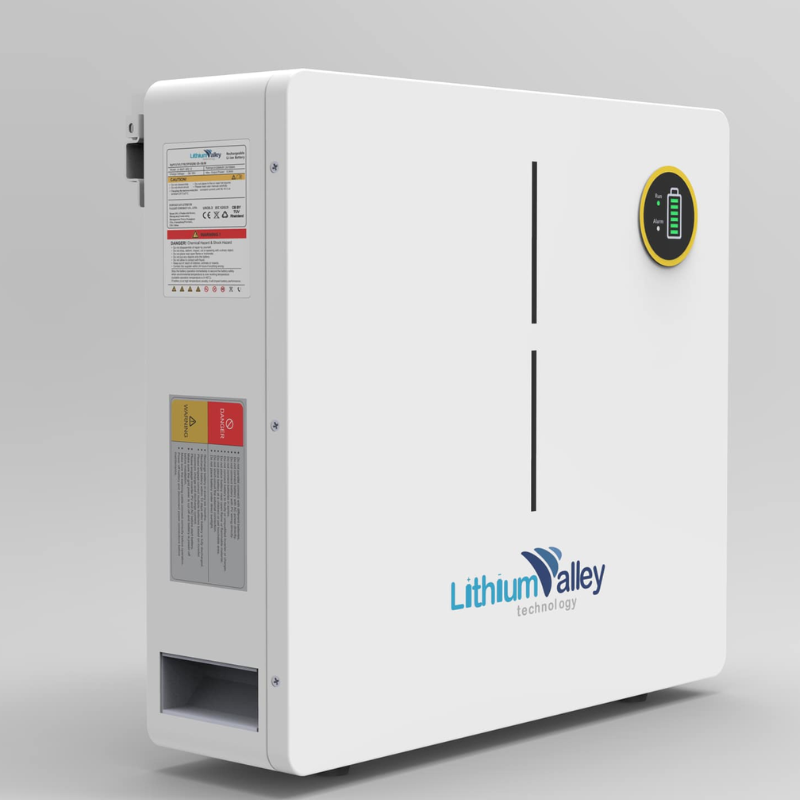
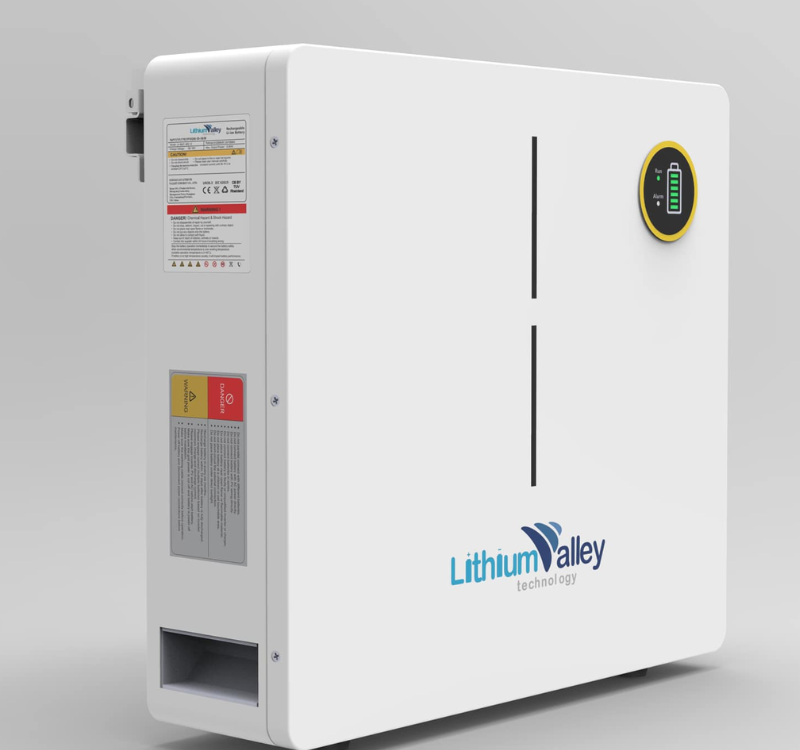
Solar Battery Prices in Kenya: Lithium, Gel and 5kWh to 16kWh Batteries

If you are planning to install solar at home or upgrade an existing system, the battery is probably one of the biggest decisions you will have to make. Solar panels produce electricity during the day, but what happens when the sun goes down? That is where the battery comes in. For many Kenyan homes and businesses, the main reason for installing a solar battery is not just saving money on electricity, but having reliable power when the grid goes off. The solar battery market in Kenya has changed quite a lot. You will still find traditional gel and lead-acid batteries, […]
October 12, 2026

How to Read Your KPLC Bill — And What It Tells You About Solar

Most people glance at the total amount due on their KPLC bill and move on. But that bill actually has everything needed to get a realistic starting estimate of what solar system size would suit your home — if you know what to look for. Here’s how to read it properly. The number that actually matters: units consumed (kWh) Somewhere on your bill, usually near the top of the billing details, you’ll find your consumption measured in kWh (kilowatt-hours) for that billing period — this is the actual amount of electricity you used, separate from the shillings amount, which is […]
September 7, 2026

Solar power in Kenya: A bright future ahead

Kenya is a country with abundant solar energy potential, due to its location near the equator. The country has an estimated solar potential of almost 15,000 MW, which is more than enough to meet its current and future energy needs. The Kenyan government has recognized the potential of solar power and has made significant investments in its development. In 2019, the government launched the Last Mile Connectivity Project, which aims to provide electricity access to all Kenyans by 2022. The project has installed solar panels in over 200,000 homes and businesses across the country. The private sector is also playing […]
October 7, 2026

Deye vs Growatt vs Victron — Which Inverter Should You Choose?

The inverter is the brain of your solar system — it decides where power comes from and goes to, moment by moment: panels, battery, or grid. Get a good one, and you barely think about it. Get the wrong fit for your situation, and you’ll notice. These three brands come up constantly in the Kenyan market, so let’s compare them honestly. Deye — the popular all-rounder Deye has become one of the most widely installed hybrid inverter brands in Kenya over the past few years, and for good reason: solid build quality, a genuinely useful monitoring app (SolarmanPV), competitive pricing […]
September 29, 2026

FAQs about Solar Power Systems in Kenya

1. What is solar power? Solar Power Systems in Kenya, also known as solar energy, is the energy harnessed from the sun’s radiation. It is converted into usable electricity using photovoltaic (PV) panels or concentrated solar power (CSP) technology. 2. How do solar panels work? Solar panels consist of multiple solar cells made of semiconductor materials like silicon. When sunlight hits the solar cells, it excites the electrons, creating a flow of electricity. This direct current (DC) electricity is then converted into alternating current (AC) by an inverter for household use. 3. What are the benefits of using solar power? […]
September 12, 2026

Is Kenya suitable for Solar Power and Why You should consider installing solar power for your home?

Yes, Kenya is an excellent location for solar energy due to its abundant sunlight and favorable geographical location near the equator. The country receives high levels of solar radiation throughout the year, making solar energy a viable and sustainable source of power. Using Solar power has been proven to reduce domestic power bills significantly. It is also possible in Kenya to be totally off-grid and rely on solar power. This can be used to power the entire household throughout the year. At Happy Solar System we have tailor-made solutions that can be used to reduce your dependence on Kenya Power […]
September 7, 2026

How Many Solar Panels Are Needed to Power a House in Kenya?

Solar power in Kenya is an increasingly popular and sustainable solution to meet the energy needs of homes in Kenya, a country blessed with ample sunshine throughout the year. Harnessing solar energy can significantly reduce reliance on the national grid, lower electricity bills, and contribute to a cleaner environment. One of the fundamental questions when considering a solar installation is, “How many solar panels are needed to power a house in Kenya?” Let’s delve into the factors influencing this calculation. Assessing Energy Consumption:The first step in determining the number of solar panels needed is assessing the household’s energy consumption. This […]
September 28, 2026

Solar Inverter Prices in Kenya: Hybrid, Off-Grid and Grid-Tie Inverters

Solar Inverter Prices in Kenya: Hybrid, Off-Grid and Grid-Tie Inverters If you have started looking at solar power in Kenya, there is a good chance you have already come across plenty of inverter names and prices. Deye, TBB, Growatt, Victron, Felicity and several others are available in the market, with models ranging from small residential units to large systems for businesses and industrial applications. The difficult part is usually not finding an inverter. The difficult part is knowing which solar inverter actually suits your home, business, farm or institution. At Happy Solar Systems, we see this quite often. A customer […]