
In most buildings, a power cut is an inconvenience. In a health facility, it can be genuinely dangerous — equipment failing mid-procedure, vaccines and medications losing cold chain integrity, critical care units losing monitoring and life-support systems at exactly the wrong moment. Reliable power isn’t a comfort feature for hospitals and clinics; it’s core infrastructure, which is exactly why solar has become an increasingly serious consideration for Kenyan health facilities, not just a cost-saving upgrade.
A Real Example: Uninterrupted Power for Critical Care
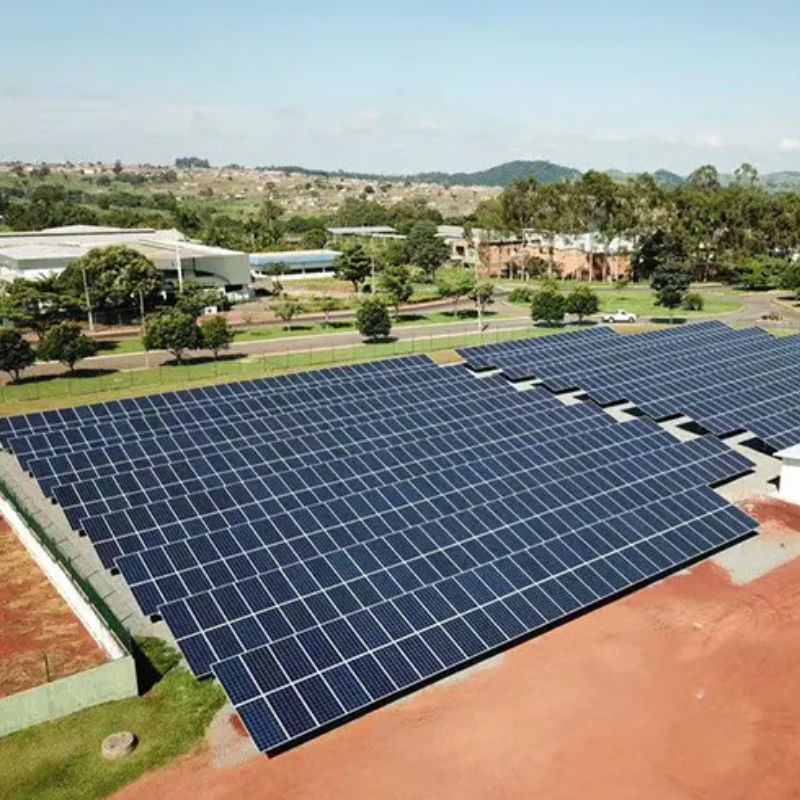
One health facility we worked with now operates on a hybrid solar system specifically designed to guarantee uninterrupted power, with particular attention to their critical care units where a power interruption carries genuine patient-safety risk. The system was engineered around the facility’s actual critical loads — not a generic commercial package, but one built specifically to keep the equipment that matters most running without interruption, regardless of what the grid is doing.
Managing power reliability concerns at a clinic, hospital or health facility? Call or WhatsApp us on +254 741 163020 and tell us about your critical equipment and continuity requirements — we’ll design around patient safety first.
Why Health Facilities Need a Different Approach to Solar
Unlike a typical residential or commercial installation, a health facility’s power needs aren’t uniform — some loads are genuinely life-critical (ventilators, monitoring equipment, operating theatre lighting and equipment, refrigeration for vaccines and medications), while others are important but not safety-critical (general lighting, administrative equipment, non-critical air conditioning). A properly designed system distinguishes between these categories, ensuring critical loads have guaranteed, prioritised battery backup even if the broader system needs to shed non-critical load during an extended outage.
This tiered approach to load prioritisation is standard practice for serious health facility solar design, and it’s a fundamentally different design conversation from sizing a system for a home or standard office.
Cold Chain Protection: A Genuine Priority
For clinics and health facilities storing vaccines, insulin, blood products or other temperature-sensitive medical supplies, refrigeration continuity isn’t optional — a break in cold chain storage can render medication or vaccine stock unusable, a genuine financial and public health loss. A correctly sized hybrid system with dedicated, prioritised battery backup for refrigeration equipment protects this cold chain through outages that would otherwise put stock at risk, which is a materially different (and higher) reliability bar than covering general facility lighting or administrative loads.
Critical Care and Life-Support Equipment
For facilities running ventilators, patient monitoring systems, or operating theatre equipment, the standard we design to is genuinely different from general commercial backup — these loads need power that switches over instantaneously and without interruption, not a system that merely restores power within a few seconds. This requires both correctly specified inverter switching performance and battery capacity engineered around the facility’s actual critical equipment list, confirmed through a detailed clinical and technical assessment rather than a general commercial energy audit.
Sizing a Health Facility Solar System
Health facility loads vary enormously by facility size and services offered — a small rural clinic with basic refrigeration and lighting needs has very different requirements from a hospital running operating theatres, imaging equipment, and inpatient wards. What’s consistent across every health facility project is the need for a proper load-criticality assessment before any system is sized — identifying exactly which equipment must never lose power, which can tolerate brief interruption, and which is genuinely non-critical, then designing battery capacity and inverter switching performance around that hierarchy rather than a blanket coverage assumption.
Remote and Rural Health Facilities
For rural clinics and health facilities in areas with unreliable or absent grid access — a genuine reality across parts of Kenya — solar isn’t a backup system, it’s the primary infrastructure that determines whether the facility can operate reliably at all. Off-grid solar has become increasingly important infrastructure for rural healthcare delivery specifically because it removes total dependence on a grid connection that may be unreliable, distant, or simply unavailable, giving remote clinics power stability that would otherwise be impossible to achieve.
What Health Facility Solar Systems Cost
Cost depends heavily on facility size, the number and nature of critical loads requiring guaranteed backup, and whether the system needs to support imaging or other heavy medical equipment beyond standard lighting, refrigeration and monitoring loads. Given the safety-critical nature of health facility power, these are genuinely engineered commercial systems rather than standard packages, and pricing reflects the load-criticality assessment and design work involved as much as the equipment itself. An accurate figure depends entirely on your facility’s specific equipment and continuity requirements — exactly what a detailed site assessment and consultation is designed to establish.
Frequently Asked Questions
Can solar genuinely guarantee zero interruption for critical care equipment? With correctly specified inverter switching performance and adequately sized, prioritised battery capacity for critical loads specifically, yes — this is precisely the kind of technical specification that needs a proper clinical and engineering assessment rather than a generic system.
How is a hospital solar system different from a standard commercial installation? The key difference is load prioritisation — critical, life-safety-relevant equipment needs guaranteed backup capacity, engineered and tested specifically for that purpose, rather than treating all facility loads as equally important.
Is solar suitable for remote or rural clinics with no reliable grid access? Yes — for many rural health facilities, solar isn’t an optional upgrade but the primary and most dependable power infrastructure available, particularly compared to an unreliable or distant grid connection.
Do you assess which equipment needs guaranteed backup before designing the system? Yes — a load-criticality assessment identifying which equipment is safety-critical, important but tolerant of brief interruption, or genuinely non-critical is the starting point for every health facility project we design.
Get a System Designed Around Patient Safety
Book a consultation: Call or WhatsApp +254 741 163020 or email info@happysolar.co.ke Browse our full range: Happy Solar Systems shop
Power infrastructure engineered around what actually matters most — your critical equipment and your patients.