

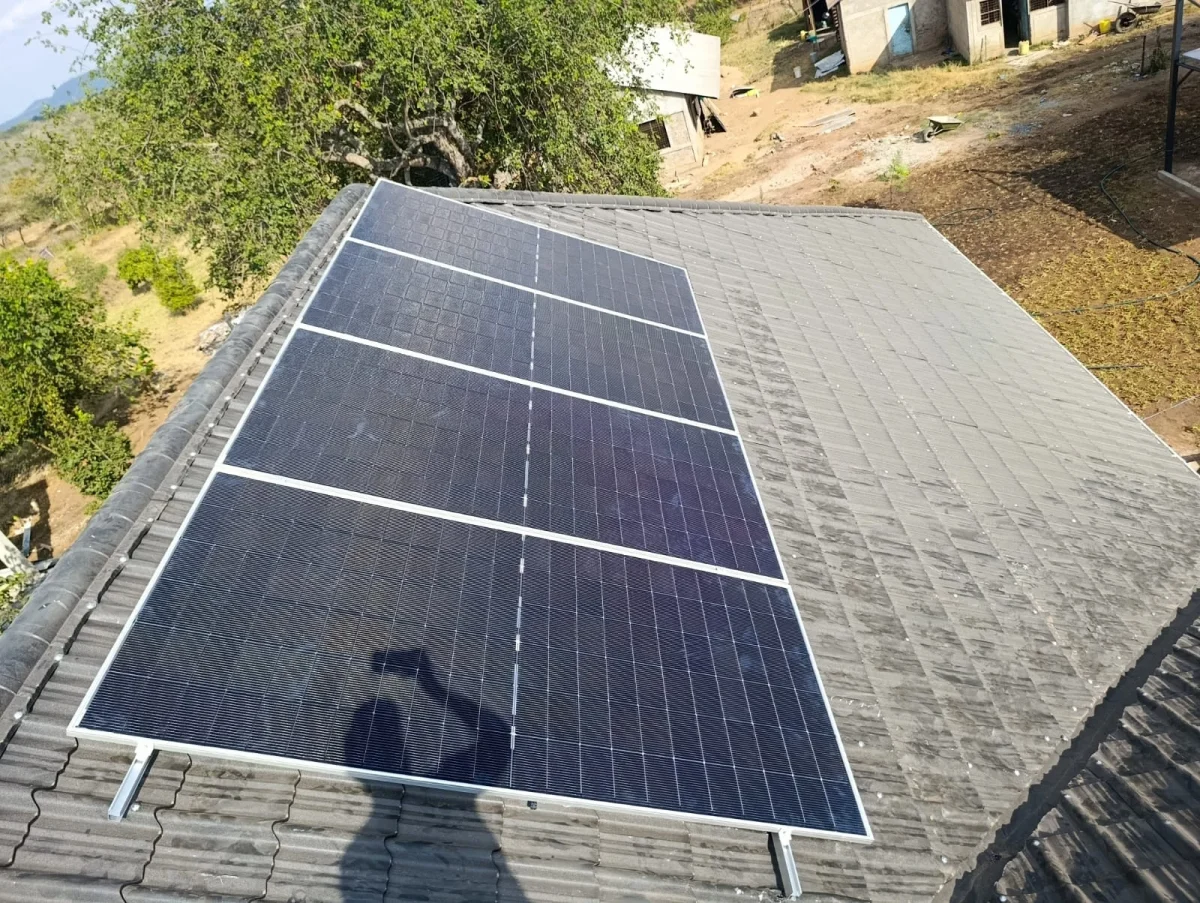
Kenya’s two rainy seasons — the long rains roughly March to May, and the short rains around October to December — genuinely change how a solar system performs and what it needs from you. Neither season is a reason to worry about your system failing, but each brings specific, worth-knowing considerations that a few minutes of preparation can head off before they become a problem.
Before the Rains Arrive: A Pre-Season Checklist
A few weeks before the rains typically start in your area is the right time for a proactive check, not after the first storm has already tested your system. Clean your panels thoroughly — a build-up of dry-season dust, combined with the first heavy rains, can create a muddy residue that’s harder to clear than either dust or rain alone, so starting the season with clean panels avoids this. Check mounting hardware and roof penetrations — loose bolts or brackets are more likely to be tested by wind-driven rain and storms than by calm, dry conditions, and a proper check now catches issues before a storm makes them worse. Inspect cable entry points and enclosures for any gaps or wear that could allow water ingress once heavy rain starts — this is one of the more common causes of inverter and connection faults that show up specifically during rainy season. Clear gutters and drainage near ground-mounted equipment or battery enclosures, since standing water around equipment is a genuine risk that dry-season conditions won’t have revealed.
Want a professional pre-season check before the rains start? Call or WhatsApp us on +254 741 163020 to book a maintenance visit.
Does Rain Actually Reduce Solar Output?
Yes, but generally less dramatically than most people assume, and the effect is mostly about cloud cover rather than the rain itself. Overcast, heavily clouded days during the rainy season do reduce panel generation compared to clear, sunny days, sometimes significantly during the heaviest, most persistent cloud cover. However, light-to-moderate rain on an otherwise reasonably bright day has a smaller effect than expected, and rain itself provides a genuine benefit — naturally rinsing dust and debris off panels that would otherwise need manual cleaning, which is one of the few upsides of the rainy season for system maintenance.
A correctly sized system, particularly a hybrid system with adequate battery capacity, is designed to handle several consecutive lower-generation days without leaving you without power — this is exactly why proper sizing during initial installation matters more than it might seem on a sunny day when you’re first considering solar.
What Actually Goes Wrong During Heavy Rains
The genuine risks during Kenya’s rainy season are rarely about the panels themselves, which are designed to handle rain and are IP-rated for weather exposure as standard. The real risks are water ingress at poorly sealed connection points or enclosures, particularly on older installations or those where sealing has degraded over time; lightning and power surge risk, which increases during storm season and is precisely why a properly installed surge protector matters; and wind-driven debris — branches, loose roofing material, or anything that can strike a panel during a storm. None of these are reasons for concern with a properly installed, well-maintained system, but they’re worth being aware of, particularly if your system is several years old and hasn’t had a recent professional check.
During the Dry Season: A Different Set of Considerations
The dry season brings its own maintenance profile, mostly centred on dust accumulation rather than moisture risk. Panels need more frequent cleaning during extended dry stretches, since there’s no rain to naturally rinse accumulated dust — this is when a regular cleaning schedule matters most, particularly in dustier regions or near unpaved roads. Dry season also tends to bring stronger, more consistent sun exposure, meaning your system should be generating at or near its best seasonal performance — a useful benchmark period to compare against if you’re tracking output through your monitoring app, since a system underperforming during peak dry-season sun is a clearer signal of an underlying issue than underperformance during a cloudy rainy stretch.
A Simple Seasonal Calendar
Before the long rains (February–early March): Clean panels, check connections and enclosures, verify battery backup is functioning, clear drainage near ground equipment.
During the long rains (March–May): Monitor system performance during heavier cloud cover as a baseline; report any unusual behaviour (intermittent faults, connection issues) promptly rather than waiting for the dry season.
Dry season (June–September): Increase panel cleaning frequency to manage dust accumulation; this is peak generation season, a good time to confirm your system is performing at its best.
Before the short rains (late September–October): Repeat the pre-rains checklist — clean panels, check connections, verify drainage.
Short rains (October–December): Same monitoring approach as the long rains.
Why Seasonal Awareness Matters More Than a Rigid Schedule
The honest takeaway is that solar maintenance in Kenya isn’t about a single fixed annual schedule — it’s about adjusting your attention to what each season actually demands. Rainy seasons call for connection and enclosure vigilance; dry seasons call for more frequent panel cleaning. A system that gets this seasonal attention, even briefly, tends to perform closer to its rated output year-round than one maintained on a single generic schedule that ignores how differently Kenya’s two seasons actually affect a solar system.
Frequently Asked Questions
Can heavy rain or hail damage solar panels? Panels are rated to withstand normal rain and typical hail conditions as standard, but extreme hail or storm damage beyond rated tolerance can occur in rare cases — this is generally covered under manufacturer warranty for defects, though not for external storm damage, which is worth checking against your property insurance separately.
Should I clean my panels during the rainy season? Less frequently than during the dry season, since rain provides some natural cleaning — but it’s still worth checking periodically, since rain doesn’t fully clear stubborn residue like bird droppings or sap.
Does my battery need different care between seasons? Not dramatically, but rainy season’s reduced generation makes it a good period to confirm your battery is charging fully during whatever sun is available, and dry season’s peak generation is a good benchmark to compare against.
How often should I get a professional seasonal check? A pre-rains check once or twice a year (before each rainy season) catches most issues proactively, alongside your regular ongoing maintenance routine.
Book a Pre-Season Maintenance Visit
Book a maintenance visit: Call or WhatsApp +254 741 163020 or email info@happysolar.co.ke Browse our full range: Happy Solar Systems shop
A few minutes of seasonal preparation keeps your system performing at its rated output year-round, through both of Kenya’s rainy seasons and the dry stretches in between.