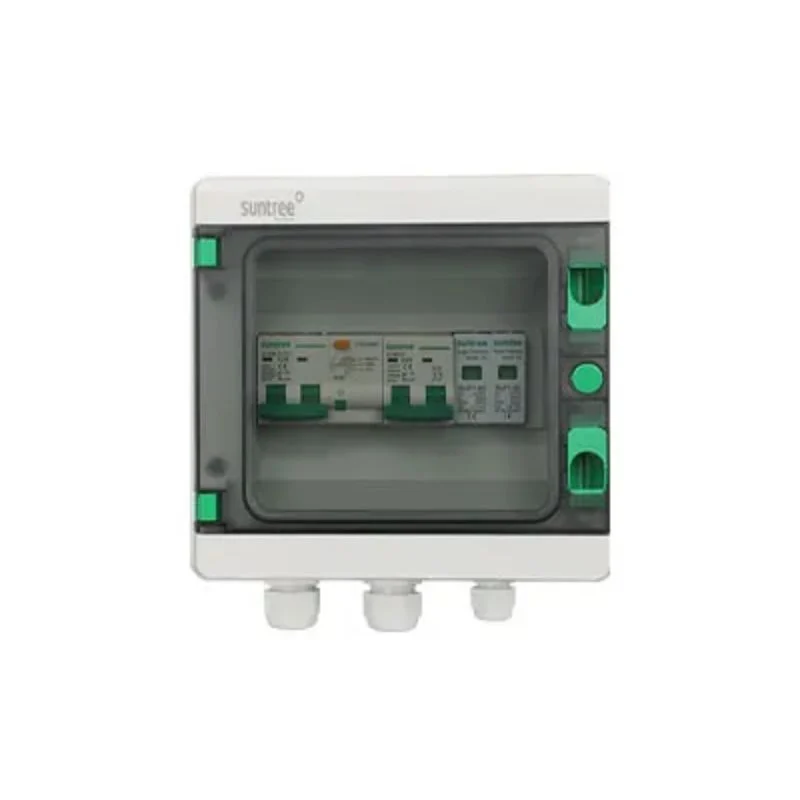
When people are pricing out a solar system — especially a DIY or budget-conscious setup — protection devices are often the first thing cut to save money, because they don’t generate power or obviously do anything day to day. That instinct is understandable and also genuinely risky. Here’s what these components actually do and why skipping them costs far more than it saves.
What these components actually protect against
A solar system involves real electrical risk at several points: DC current flowing from panels that can’t simply be “switched off” during daylight (panels generate power whenever light hits them, unlike a normal appliance), battery short-circuit risk, and the chance of a lightning-induced voltage surge traveling through your wiring from an exposed roof installation. Proper protection devices exist specifically to contain these risks before they become a fire, a damaged inverter, or a safety hazard to anyone working on the system.
Already have a system without proper protection devices installed, or not sure if yours has them? Call or WhatsApp us on +254 741 163020 and we can check.
DC isolators — the switch most DIY systems skip
A DC isolator allows the solar circuit to be safely disconnected — critical for anyone needing to work on the system (maintenance, repairs, even just cleaning near wiring) without the risk of live DC current, which, unlike AC, doesn’t automatically stop at a standard switch the way household power does. Every properly installed system should have a DC isolator between the panels and the rest of the system, and often another between the battery and inverter.
Skipping this isn’t a small corner to cut — it directly affects whether a technician (or you) can safely work on the system later without risk of shock or arcing.
Circuit breakers — sized correctly, not just “any breaker”
Circuit breakers protect your wiring and components from excess current — if something draws more current than the circuit is rated for, the breaker trips and cuts the circuit before wiring overheats or components are damaged. The critical detail here is that breakers need to be correctly sized for the specific circuit they’re protecting — an oversized breaker won’t trip in time to protect the wiring beneath it, which defeats the purpose entirely.
Not sure if your system’s breakers are correctly sized for your actual setup? Send us your system specs — email info@happysolar.co.ke or WhatsApp +254 741 163020 — and we’ll check.
Fuses — the backup layer, especially important for batteries
Fuses provide an additional layer of overcurrent protection, particularly important on battery circuits, where a short circuit can release an enormous amount of current very quickly given how much stored energy sits in a fully charged battery. A properly rated fuse between your battery and the rest of the system is a cheap, simple device that prevents a genuinely dangerous failure mode.
Surge protection devices (SPDs) — the lightning insurance policy
Solar panels sit exposed on your roof, which makes them (and the wiring connected to them) more vulnerable to voltage spikes from nearby lightning strikes than most other home electrical equipment. A surge protection device absorbs and redirects these voltage spikes before they reach and damage your inverter, controller, or batteries — all of which are considerably more expensive to replace than the SPD itself.
This is one of those components that does nothing noticeable for years, right up until the one storm where it genuinely saves your entire inverter from a surge that would otherwise have destroyed it.
Installing in an area with frequent thunderstorms and want to make sure you’re properly protected? Call +254 741 163020 — we’ll make sure your system includes appropriate surge protection for your location.
Proper earthing — not a component, but just as essential
Every solar installation needs proper earthing (grounding) of the metal frame, mounting structure, and relevant electrical components. This provides a safe path for fault current to flow, rather than through a person or through your home’s structure, and it’s also what makes your surge protection genuinely effective — an SPD without proper earthing behind it doesn’t do its job as intended.
What happens when these are skipped
We’ve seen the full range, from relatively minor (a blown inverter after a storm that proper surge protection would have prevented) to genuinely serious (overheating wiring from an incorrectly sized or absent breaker). None of these failures are common with a properly installed system — they’re specifically the failures that happen when protection devices were cut to save a relatively small amount of money upfront.
What we’d tell you
If you’re pricing a system and protection devices seem like an easy place to trim cost, we’d gently push back on that instinct. These components are a small fraction of total system cost and exist specifically to protect the much larger investment around them — and your safety, which isn’t really a line item to negotiate down.
Get in touch or call +254 741 163020 — every system we install includes properly sized isolators, breakers, fuses, and surge protection as standard, not an optional add-on.