Hybrid solar power systems in Kenya are rapidly becoming the preferred energy solution for homeowners, businesses, institutions, and farms seeking reliable electricity. These systems combine solar panels, battery storage, and grid or generator backup to ensure continuous power supply even during outages.
Kenya experiences frequent grid interruptions, rising electricity tariffs, and increased demand for power. As a result, hybrid solar power systems in Kenya provide a balanced solution that reduces dependency on the grid while still offering backup when solar energy is insufficient.
Unlike traditional grid-tied or off-grid systems, hybrid solar solutions intelligently manage multiple power sources. This allows users to enjoy uninterrupted power, improved energy efficiency, and long-term cost savings.
Hybrid solar power systems in Kenya are particularly well-suited for environments where power stability is critical. Homes with security systems, businesses with sensitive equipment, and institutions such as hospitals and schools benefit greatly from this technology.
Overall, hybrid solar power systems in Kenya represent a smart, future-ready investment for anyone looking to gain control over their energy needs.
📞 Contact Us
Website: www.happysolar.co.ke | www.solarpower.co.ke
Phone: +254 741 163020
Understanding Hybrid Solar Power Systems
Hybrid solar power systems operate by integrating solar energy with battery storage and grid or generator support. This configuration ensures electricity is always available regardless of sunlight availability or grid reliability.
What Makes a System “Hybrid”?
A hybrid system uses more than one power source. Solar energy is the primary source, while batteries store excess power. When both solar and batteries are insufficient, the system automatically switches to grid or generator power.
This intelligent switching is what makes hybrid solar power systems in Kenya so reliable. Users don’t need to manually intervene during outages or low solar production.
Key Components of a Hybrid Solar System
A complete hybrid solar power system includes solar panels, a hybrid inverter, battery storage, protection devices, and grid or generator integration. Each component plays a vital role in performance and safety.
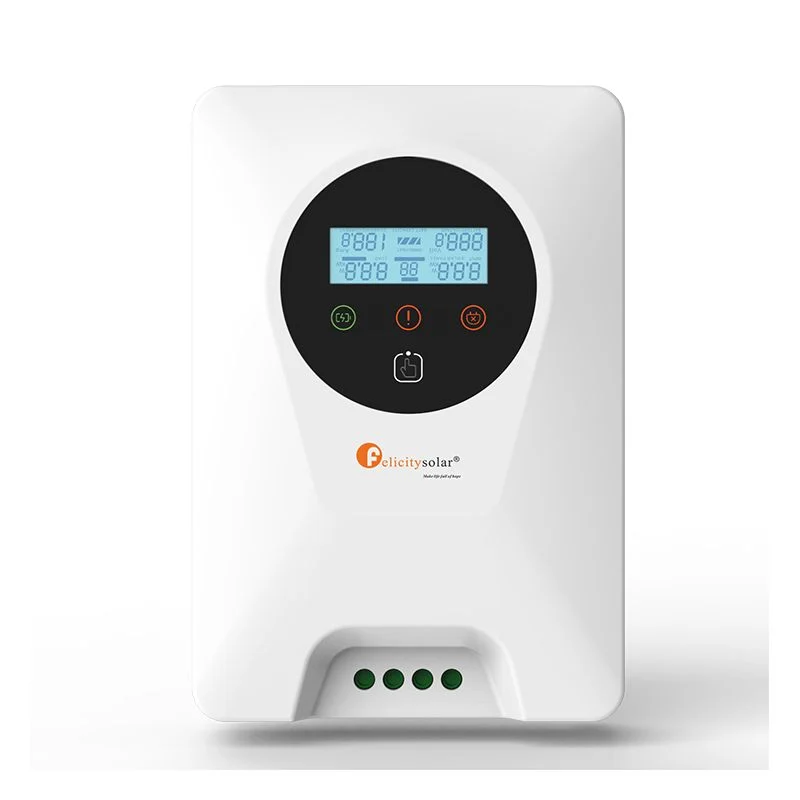
The hybrid inverter acts as the control center, deciding where power comes from and where it goes. Batteries store energy for later use, ensuring power availability at night or during outages.
📞 Contact Us
Website: www.happysolar.co.ke | www.solarpower.co.ke
Phone: +254 741 163020
Why Hybrid Solar Power Systems Are Gaining Popularity in Kenya
Kenya’s electricity demand continues to rise due to population growth, urban development, and increased appliance usage. Unfortunately, grid reliability has not kept pace with demand.
Kenya’s Power Challenges and Energy Demand
Frequent blackouts, voltage fluctuations, and load shedding affect both residential and commercial users. Hybrid solar power systems in Kenya solve these issues by providing consistent and stable power.
Many regions outside major cities experience even greater grid instability. Hybrid systems offer a dependable alternative without requiring full disconnection from the grid.
Government Policy and Renewable Energy Support
The Kenyan government supports renewable energy adoption through tax exemptions and favorable import policies for solar equipment. This makes hybrid solar power systems more accessible and affordable.
As clean energy becomes a national priority, hybrid solar systems align perfectly with Kenya’s long-term sustainability goals.
📞 Contact Us
Website: www.happysolar.co.ke | www.solarpower.co.ke
Phone: +254 741 163020
How Hybrid Solar Power Systems Work
Hybrid solar power systems in Kenya operate automatically, ensuring smooth transitions between energy sources.
Daytime Energy Flow
During the day, solar panels generate electricity to power appliances directly. Any excess energy charges the batteries for later use.
If battery storage is full, surplus power may be exported to the grid where net metering policies apply.
Nighttime and Power Outage Operation
At night or during cloudy periods, stored battery power supplies electricity. If batteries run low, the system switches to grid or generator power seamlessly.
During blackouts, the hybrid inverter isolates the system from the grid and continues powering essential loads.
📞 Contact Us
Website: www.happysolar.co.ke | www.solarpower.co.ke
Phone: +254 741 163020
Main Components Explained in Detail
Solar Panels
Solar panels convert sunlight into electricity. Kenya’s high solar irradiation makes solar panels highly efficient throughout the year.
Hybrid Inverters
Hybrid inverters manage power flow between solar panels, batteries, loads, and the grid. Modern units offer smart monitoring via mobile apps.
Battery Storage
Lithium-ion batteries are commonly used due to their long lifespan, fast charging, and minimal maintenance.
Grid and Generator Integration
Hybrid systems can integrate both grid power and generators, ensuring uninterrupted electricity in all conditions.
📞 Contact Us
Website: www.happysolar.co.ke | www.solarpower.co.ke
Phone: +254 741 163020
Benefits of Hybrid Solar Power Systems in Kenya
Hybrid solar power systems offer unmatched reliability, cost efficiency, and environmental benefits.
They reduce electricity bills, protect against blackouts, and minimize reliance on fossil fuels. Over time, these advantages translate into significant financial savings.
Additionally, hybrid systems improve energy security for homes and businesses alike.
📞 Contact Us
Website: www.happysolar.co.ke | www.solarpower.co.ke
Phone: +254 741 163020
Frequently Asked Questions (FAQs)
- Do hybrid solar power systems work during blackouts?
Yes. They continue supplying power using solar and batteries. - Are hybrid systems suitable for businesses?
Absolutely. They are ideal for offices, factories, hotels, and institutions. - How long do batteries last?
Lithium batteries typically last 10–15 years. - Can I expand my system later?
Yes. Hybrid systems are scalable. - Are hybrid systems expensive?
Initial costs are higher, but long-term savings outweigh the investment. - Is professional installation required?
Yes, for safety and optimal performance. For global best practices, see https://www.irena.org.
Conclusion
Hybrid solar power systems in Kenya offer a reliable, flexible, and future-proof energy solution. By combining solar power, battery storage, and grid or generator backup, these systems ensure uninterrupted electricity and long-term savings. Whether for residential or commercial use, hybrid solar power systems in Kenya are a smart investment in energy independence.