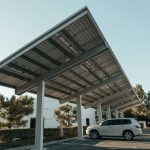

1. What is a solar power system?
A solar power system converts sunlight into electricity using solar panels, an inverter, batteries, and accessories. In Kenya, solar systems are used for homes, businesses, farms, schools, and institutions.
2. How does a solar power system work?
Solar panels capture sunlight and generate DC electricity, which is converted into AC power by an inverter for use in appliances. Excess power can be stored in batteries or fed into the grid.
3. Is solar power reliable in Kenya?
Yes. Kenya has high solar irradiation levels throughout the year, making solar power highly reliable even during cloudy days.
4. Can solar power run an entire home in Kenya?
Yes. With proper system sizing, solar can power lights, TVs, fridges, pumps, cooking appliances, and even air conditioners.
5. What are the main components of a solar system?
Solar panels, inverter, batteries, charge controller (if applicable), mounting structures, DC/AC cables, and protection devices.
Contact Us:
🌐 www.happysolar.co.ke | www.solarpower.co.ke
📞 +254 741 163020
6. What types of solar systems are available in Kenya?
Grid-tied, off-grid, hybrid, and backup solar systems.
7. What is the difference between off-grid and hybrid solar systems?
Off-grid systems operate independently from KPLC, while hybrid systems combine solar, batteries, and grid power.
8. Do solar systems work during blackouts?
Yes, if batteries are installed. Grid-tied systems without batteries shut down during blackouts.
9. How long do solar panels last?
Quality panels last 25–30 years with minimal performance degradation.
10. Are solar systems affected by cloudy weather?
They still work, though output is reduced. Batteries compensate during low sunlight.
Contact Us:
🌐 www.happysolar.co.ke | www.solarpower.co.ke
📞 +254 741 163020
11. Is solar power legal in Kenya?
Yes. Solar installation is fully legal and encouraged by the Kenyan government.
12. Do I need KPLC approval to install solar?
Only grid-tied systems require approval. Off-grid systems do not.
13. Can solar power be expanded later?
Yes. Most systems are modular and can be upgraded.
14. What appliances can run on solar?
Lights, TVs, fridges, freezers, pumps, computers, CCTV, welding machines, and more.
15. Is solar power safe?
Yes, when installed correctly with proper protection devices.
Contact Us:
🌐 www.happysolar.co.ke | www.solarpower.co.ke
📞 +254 741 163020
16. How much roof space is needed for solar panels?
Typically 6–8 square meters per 1kW of solar panels.
17. Can solar panels be installed on the ground?
Yes, especially for farms and institutions.
18. What direction should solar panels face in Kenya?
Panels should face north for maximum sun exposure.
19. Does solar increase property value?
Yes. Properties with solar systems are more attractive and valuable.
20. Can solar systems power businesses?
Absolutely — shops, offices, factories, hotels, and hospitals use solar.
Cost & Pricing FAQs (21–40)
21. How much does a solar system cost in Kenya?
Costs range from KES 180,000 for small systems to millions for commercial installations.
22. What determines the cost of a solar system?
Energy demand, panel size, battery capacity, inverter type, and installation complexity.
23. Are solar batteries expensive?
Lithium batteries cost more upfront but last longer and perform better.
24. Can I start small and upgrade later?
Yes. Solar systems are scalable.
25. Is financing available for solar in Kenya?
Yes. Some providers offer installment plans and asset financing.
Contact Us:
🌐 www.happysolar.co.ke | www.solarpower.co.ke
📞 +254 741 163020
26. How long does it take to recover the cost of solar?
Most users recover their investment within 3–5 years.
27. Are there government incentives for solar?
Solar equipment enjoys VAT exemptions in Kenya.
28. Is solar cheaper than KPLC?
In the long run, yes — solar significantly reduces electricity bills.
29. What is the cheapest solar system for a home?
A basic lighting and TV system can cost under KES 100,000.
30. Do solar systems require monthly payments?
No, once installed, energy is free.
Installation & Maintenance FAQs (41–60)
41. How long does installation take?
1–3 days for residential systems, longer for commercial projects.
42. Do solar panels need maintenance?
Minimal — occasional cleaning and inspection.
43. How often should panels be cleaned?
Every 3–6 months, depending on dust levels.
44. Can solar panels break easily?
They are designed to withstand harsh weather.
45. What happens if an inverter fails?
It can be repaired or replaced under warranty.
Contact Us:
🌐 www.happysolar.co.ke | www.solarpower.co.ke
📞 +254 741 163020
46. Are solar systems affected by lightning?
Proper earthing and surge protection prevent damage.
47. Can solar power pumps water?
Yes, solar water pumping is very popular in Kenya.
48. Do batteries need replacement?
Yes, after their lifespan (5–15 years depending on type).
49. Can solar power be monitored remotely?
Yes, modern inverters support mobile monitoring apps.
50. Who should install my solar system?
Certified and experienced solar professionals.
61–70: Solar system sizing, inverter capacity, single-phase vs three-phase, lithium vs gel batteries, net metering, power factor, surge loads, motor starting, system losses.
71–80: Solar for schools, hospitals, farms, boreholes, irrigation, cold rooms, telecom towers, CCTV, electric fences, and automation systems.
81–90: Warranty coverage, system lifespan, upgrades, relocation, recycling panels, fire safety, insurance, and compliance standards.
91–100: Solar myths, future of solar in Kenya, carbon reduction, ESG benefits, community solar, mini-grids, and smart energy management.
Contact Us:
🌐 www.happysolar.co.ke | www.solarpower.co.ke
📞 +254 741 163020
Advantages Realised When Using Solar Power Systems in Kenya
- Massive reduction in electricity bills
- Energy independence from KPLC
- Reliable power during blackouts
- Clean, renewable energy
- Low maintenance costs
- Increased property value
- Ideal for remote areas
- Scalable and flexible systems
- Environmentally friendly
- Long-term financial savings
Contact Us:
🌐 www.happysolar.co.ke | www.solarpower.co.ke
📞 +254 741 163020
10 Solar Power Projects in Kenya (Case Studies)
Project 1: 5kW Residential Solar – Nairobi
- Equipment: 12×550W panels, 5kVA hybrid inverter, 10kWh lithium battery
- Solution: Full home backup
- Results: 85% reduction in power bills
Project 2: 20kW Commercial Solar – Nakuru
- Equipment: 36 panels, 20kW inverter, lithium storage
- Solution: Daytime load offset
- Results: KES 120,000 monthly savings
Project 3: Solar Borehole – Kajiado
- Equipment: Solar pump, controller, panels
- Solution: Off-grid water pumping
- Results: Zero fuel costs
Project 4–10:** Schools, farms, hotels, hospitals, factories, cold rooms
- Results: Reliable power, reduced costs, improved operations
Contact Us:
🌐 www.happysolar.co.ke | www.solarpower.co.ke
📞 +254 741 163020
10 Detailed Client Testimonials – Solar Power Systems in Kenya
- “Our power bills dropped by over 70%. Best investment ever.” – Nairobi
- “We now have reliable power even during outages.” – Kiambu
- “Solar water pumping transformed our farm.” – Kajiado
- “Professional installation and excellent support.” – Nakuru
- “Our school now runs without interruptions.” – Machakos
- “The hybrid system works perfectly.” – Thika
- “Clean energy and real savings.” – Eldoret
- “Monitoring the system on my phone is amazing.” – Mombasa
- “Solar paid for itself faster than expected.” – Nyeri
- “Highly recommend solar power in Kenya.” – Kisumu
Contact Us:
🌐 www.happysolar.co.ke | www.solarpower.co.ke
📞 +254 741 163020