Reduce Electricity Bills with Grid-Tied Solar Systems
Electricity costs are a major operating expense for many homes and businesses in Kenya. A grid-tied solar power system provides an opportunity to generate your own electricity from sunlight and reduce the amount of power purchased from the national grid.
At Happy Solar Systems, we supply and install grid-tie solar power systems in Kenya for residential, commercial and industrial applications. These systems use solar panels and grid-connected inverters to convert sunlight into usable electricity for your property.
Grid-tie systems are particularly suitable for properties that have a reliable electricity connection and consume significant amounts of power during daylight hours.
Whether you want to reduce electricity expenses at home, power an office or lower operating costs at a factory, we can help you select a suitable solar installation.
Contact Happy Solar Systems for a solar assessment and quotation.
Call or WhatsApp: +254 741 163020
What Is a Grid-Tie Solar Power System?
A grid-tie solar power system is connected to the national electricity grid. It generates electricity from solar panels and supplies that power to the property’s electrical system.
During sunny periods, solar energy can supply part or all of the property’s electricity demand. When solar production is insufficient, electricity is drawn from the grid.
Depending on the system design and applicable utility arrangements, excess solar generation may be exported to the grid where authorised.
Unlike a conventional off-grid solar system, a standard grid-tie installation does not normally include battery storage.
How Does a Grid-Tie Solar System Work?
A typical grid-connected solar installation operates through the following components:
- Solar panels: Capture sunlight and generate DC electricity.
- Grid-tie inverter: Converts DC electricity from the panels into AC electricity suitable for the property’s electrical system.
- Protection equipment: Helps protect the solar installation against electrical faults and surges.
- Mounting structures: Secure the panels on the roof or another suitable location.
- Electrical connections: Connect the solar system to the property’s distribution board.
- Monitoring system: Allows users to monitor solar production and system performance.
The solar inverter synchronises its output with the electricity supply. When solar generation is insufficient, the grid supplies the remaining electricity demand.
A standard grid-tie inverter is designed to shut down during a grid outage for safety reasons. This means a conventional grid-tie system will not normally power the property when Kenya Power electricity is unavailable.
Types of Grid-Tie Solar Power Systems
1. Residential Grid-Tie Solar Systems
These systems are designed for homes with regular daytime electricity consumption. They can help supply electricity for lighting, refrigerators, televisions, office equipment and other household appliances.
System capacity depends on the home’s electricity consumption, available roof space and the property’s electrical installation.
2. Commercial Grid-Tie Solar Systems
Businesses, offices, supermarkets, hotels, schools and commercial buildings can benefit from grid-tied solar installations.
Many commercial properties consume substantial electricity during daylight hours, making solar generation a practical way to reduce grid electricity consumption.
3. Industrial Grid-Tie Solar Systems
Factories, warehouses, workshops and processing facilities can install larger grid-connected solar systems to support their daytime electricity requirements.
These projects require careful assessment of the electrical load, available roof or ground space, inverter capacity and connection requirements.
Benefits of Grid-Tie Solar Power Systems in Kenya
1. Reduced Electricity Bills
Solar panels generate electricity during daylight hours, reducing the amount of electricity that needs to be purchased from the grid.
2. No Battery Storage Required
Standard grid-tie systems operate without batteries, reducing the initial equipment cost compared with many battery-based solar installations.
3. Suitable for Commercial Electricity Consumers
Businesses that use substantial electricity during the day can benefit from using solar generation to meet part of their operating demand.
4. Scalable System Design
Solar installations can be designed according to the property’s electricity consumption, available installation space and future requirements.
5. Reduced Dependence on Grid Electricity
Generating electricity on-site reduces reliance on purchased grid power during periods of adequate solar production.
6. Solar Energy Monitoring
Many modern grid-tie inverters include monitoring features that allow users to review electricity generation and system performance.
Grid-Tie Solar Inverters and Equipment
The inverter is one of the most important components of a grid-connected solar system. It converts the electricity generated by solar panels into usable AC power and manages the connection with the electrical supply.
Happy Solar Systems works with solar equipment solutions from recognised manufacturers, subject to model availability and project requirements.
Depending on the system design, available equipment may include:
- SMA Sunny Tripower: Three-phase grid-connected inverter solutions for commercial and industrial applications.
- Fronius Symo: Three-phase grid-tie inverters for suitable residential and commercial installations.
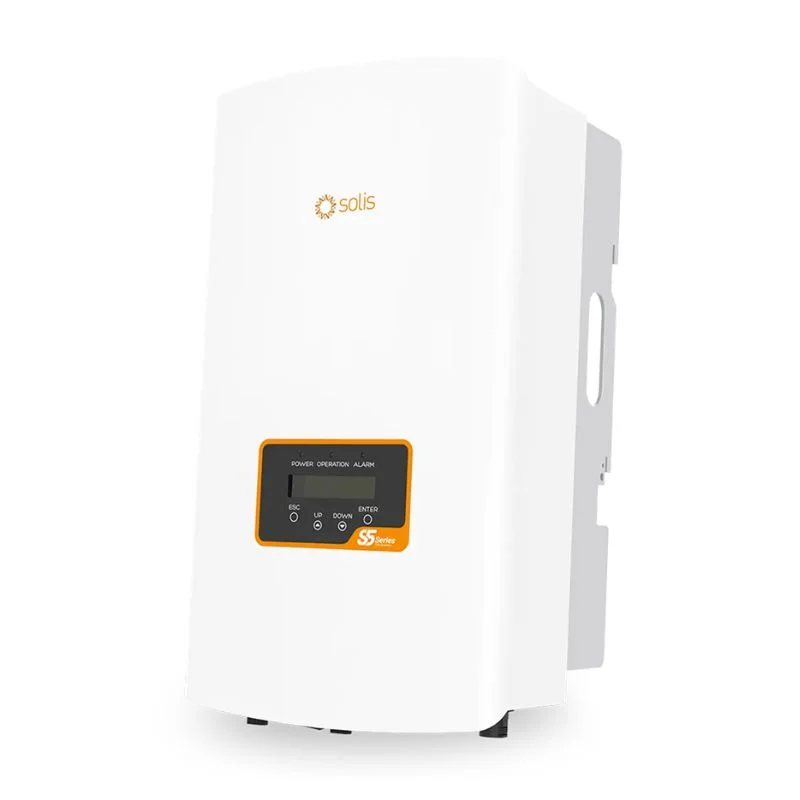
- Solis Grid-Tie Inverters: Solar inverter solutions available in different capacities.
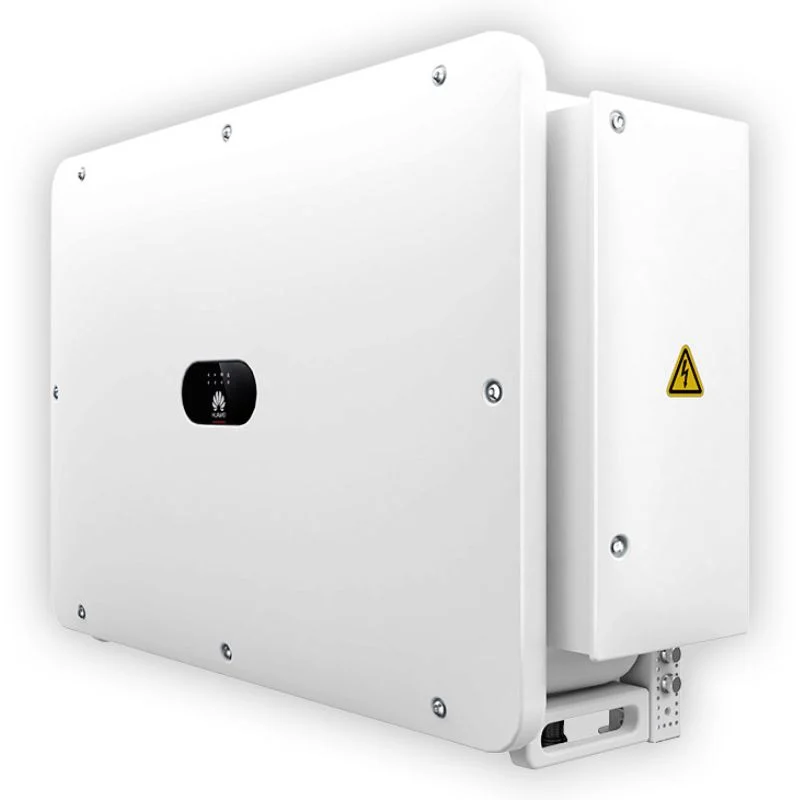
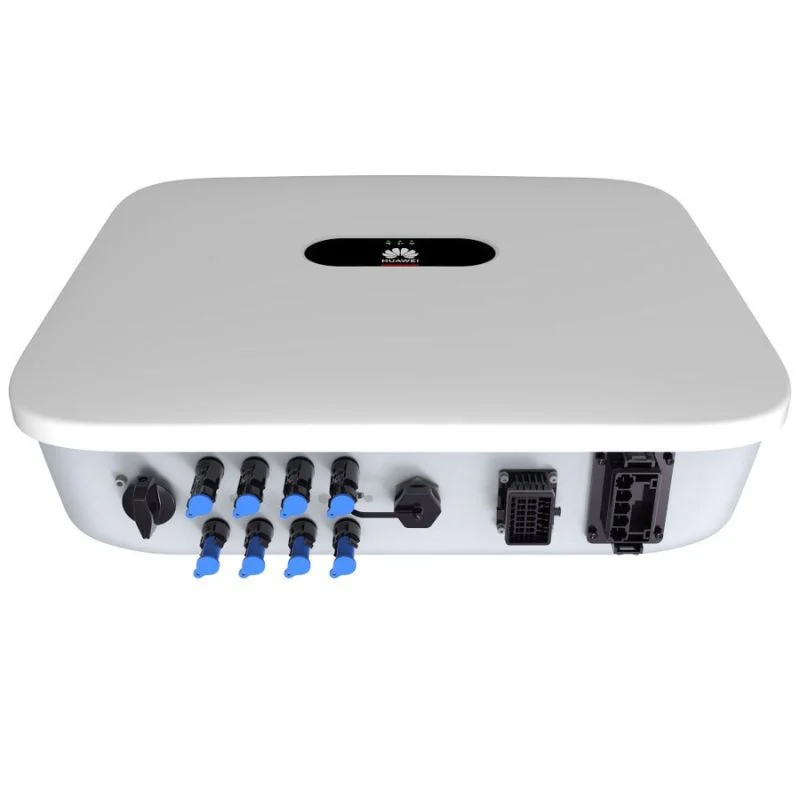
- Huawei SUN2000: Grid-connected inverter solutions for residential and commercial projects.
- GoodWe Grid-Tie Inverters: Inverter options for different solar installation requirements.
The appropriate inverter should be selected according to the solar panel configuration, electrical supply, system capacity and manufacturer’s specifications.
What Determines the Cost of a Grid-Tie Solar System in Kenya?
The cost of a grid-tie solar installation depends on several factors:
- System capacity: Larger systems require more solar panels and higher-capacity inverters.
- Electricity consumption: The property’s daytime energy demand helps determine the appropriate system size.
- Solar panels: Panel wattage, quantity and specifications affect the equipment cost.
- Inverter selection: Inverter capacity, features and manufacturer influence the quotation.
- Installation location: Roof type, mounting requirements and accessibility affect installation costs.
- Electrical requirements: Protection equipment, cabling, distribution board modifications and connection arrangements must be considered.
- Approvals and compliance: Applicable regulatory and utility requirements may affect the project scope.
We recommend assessing your electricity bills and daytime power consumption before selecting a system.
Grid-Tie vs Hybrid Solar Power Systems
One important consideration is whether you need a standard grid-tie system or a hybrid solar system.
| Feature | Grid-Tie System | Hybrid System |
|---|---|---|
| Connected to electricity grid | Yes | Yes |
| Solar panels | Yes | Yes |
| Battery storage | Normally not included | Supported |
| Backup during grid outages | No, with a standard grid-tie inverter | Available when correctly designed |
| Initial equipment cost | Generally lower | Generally higher |
| Main application | Reducing grid electricity consumption | Reducing bills and providing backup power |
If your main objective is to reduce electricity bills and you have a reliable grid connection, a grid-tie system may be suitable.
If you also require electricity during power interruptions, consider a properly designed hybrid system with battery storage and backup functionality.
Grid-Tie Solar Installation in Kenya
Happy Solar Systems supplies solar equipment and provides installation support for residential and commercial customers in Nairobi and other parts of Kenya.
Our installation process includes:
- Reviewing your electricity bills and consumption patterns.
- Assessing your property’s electrical supply and installation space.
- Determining the suitable solar panel and inverter capacity.
- Preparing a system design and quotation.
- Installing the panels, inverter and protection equipment.
- Testing and commissioning the installation in accordance with applicable requirements.
Grid connection and export arrangements must comply with the relevant regulations and utility approval requirements. Customers should not assume that excess electricity can automatically be exported or credited.
Frequently Asked Questions
Does a grid-tie solar system work during a power blackout?
A standard grid-tie inverter normally shuts down when the grid fails. This is a safety requirement designed to prevent the solar system from feeding electricity into a disconnected grid. Backup power requires a suitably designed hybrid or backup system.
Can a grid-tie solar system reduce my electricity bill?
Yes. Solar generation can supply part of your property’s electricity demand during daylight hours, reducing the amount purchased from the grid.
Do grid-tie systems require batteries?
No. Standard grid-tie systems operate without batteries. Battery storage is an optional feature in suitable hybrid installations.
Can I install a grid-tie system for my business?
Yes. Grid-tie systems can be designed for offices, shops, hotels, factories, warehouses and other commercial properties.
Can excess solar electricity be sold to Kenya Power?
Exporting electricity to the grid is subject to applicable regulations, approvals and utility arrangements. It should not be assumed as an automatic feature of every grid-tie installation.
How do I determine the correct system size?
Your electricity bills, daytime consumption, available roof space and electrical supply are important starting points. A site assessment helps determine the appropriate capacity.
Contact Happy Solar Systems for Grid-Tie Solar Solutions
Looking to reduce electricity costs at your home, office, factory or commercial property?
Happy Solar Systems can help you assess your electricity consumption and select a suitable grid-tied solar power system.
Contact us for solar panels, grid-tie inverters, system design, supply and installation quotations.
Happy Solar Systems – Grid-Tie Solar Power Systems in Kenya
Call / WhatsApp: +254 741 163020
Website: www.happysolar.co.ke