You’ll see “25-year warranty” on basically every solar panel sold in Kenya, and it’s genuinely accurate — but it doesn’t mean what a lot of people assume it means. Let’s break down what actually happens to a panel over its lifetime, in plain terms.
The panel doesn’t “die” at 25 years — it gradually produces less
Solar panels don’t have a hard expiry date where they suddenly stop working. Instead, they degrade very slowly, producing a little less electricity each year as the materials inside age — this is completely normal and expected, not a sign of a faulty panel. A quality Tier 1 panel typically degrades at around 0.4–0.6% per year.
Run that forward: after 25 years, a good panel is still commonly producing around 80–87% of its original output — meaning it hasn’t stopped working, it’s just not quite as strong as the day it was installed. Many panels, in practice, keep producing meaningful power well beyond the 25-year warranty mark, just below the guaranteed minimum.
Curious how this affects your long-term savings calculation? Call or WhatsApp us on +254 741 163020 and we’ll factor realistic degradation into your actual numbers, not just day-one output.
What the “25-year warranty” actually guarantees
This is the part worth understanding clearly: the 25-year figure is usually a performance warranty, guaranteeing the panel won’t drop below a specified output level (commonly around 80–87%) by year 25. It’s a separate thing from the product warranty (typically 10–12 years), which covers manufacturing defects rather than gradual performance decline. We cover this distinction properly in our separate guide on solar warranties, since it trips up a lot of buyers.
What actually shortens a panel’s real lifespan
Poor installation — incorrect mounting, inadequate ventilation behind the panel, or sloppy wiring can all accelerate wear beyond the normal degradation curve. This is one of several reasons installation quality matters as much as panel brand.
Physical damage — hail, falling branches, or impact damage can crack cells or damage the glass, which is a different problem from gradual degradation and usually requires replacement of the affected panel rather than just reduced output.
Extreme, sustained heat without adequate airflow — panels are designed to handle heat, but installations with genuinely poor ventilation behind the panel can run hotter than ideal over time, which can modestly accelerate degradation.
Consistently heavy dust or grime buildup left unaddressed — this doesn’t damage the panel itself, but it does reduce effective output, which can look like degradation even though the panel’s actual health is fine underneath the dirt. Regular cleaning (we cover this in our maintenance guide) addresses this directly.
Not sure whether a drop in your system’s output is normal ageing or something worth investigating? Email info@happysolar.co.ke or WhatsApp +254 741 163020 and describe what you’re seeing — we can often tell over the phone whether it’s expected or worth a site visit.
Does the inverter or battery last as long as the panels?
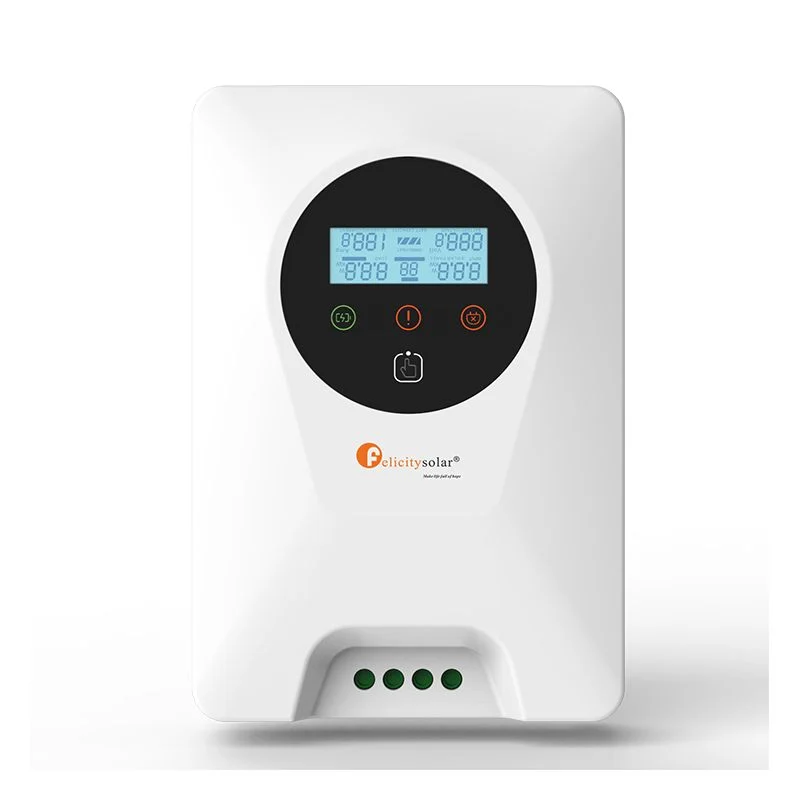
No, and this surprises people. Inverters typically last 10–15 years before needing replacement — they have more active electronic components doing continuous work, so a shorter lifespan than the panels is completely normal, not a sign of a weaker product. Batteries vary more by chemistry: lithium commonly lasts 8–15+ years depending on usage, gel considerably less. Budgeting for an inverter (and likely a battery) replacement partway through your system’s 25-year panel life is a realistic, sensible part of long-term solar ownership, not a failure of the system.
What this means for your long-term planning
A solar system isn’t a “buy once, forget forever” purchase — the panels are genuinely long-lived, but the inverter and battery have their own, shorter replacement cycles built into the real cost of ownership over 25 years. Factor this into your long-term budgeting from the start, rather than being caught off guard a decade in.
The honest summary
Panels last a very long time — meaningfully longer than most other home equipment you’ll ever buy — and degrade slowly and predictably rather than failing suddenly. What varies is installation quality, environmental conditions, and how well the system is maintained, all of which are things you or your installer actually control, unlike the panel’s basic chemistry.
Get in touch or call +254 741 163020 if you want a realistic, full-lifecycle cost picture for a system — including honest expectations for panel, inverter, and battery lifespan — before you decide anything.