
The battery is usually the single most expensive component in a solar system, and it’s also the one buyers understand least well when comparing quotes. Two batteries with the same rated capacity can differ enormously in real-world performance, lifespan, and total cost once you account for how long each actually lasts — this is exactly the comparison that matters, not just the upfront price tag.
The Two Main Battery Types We Supply
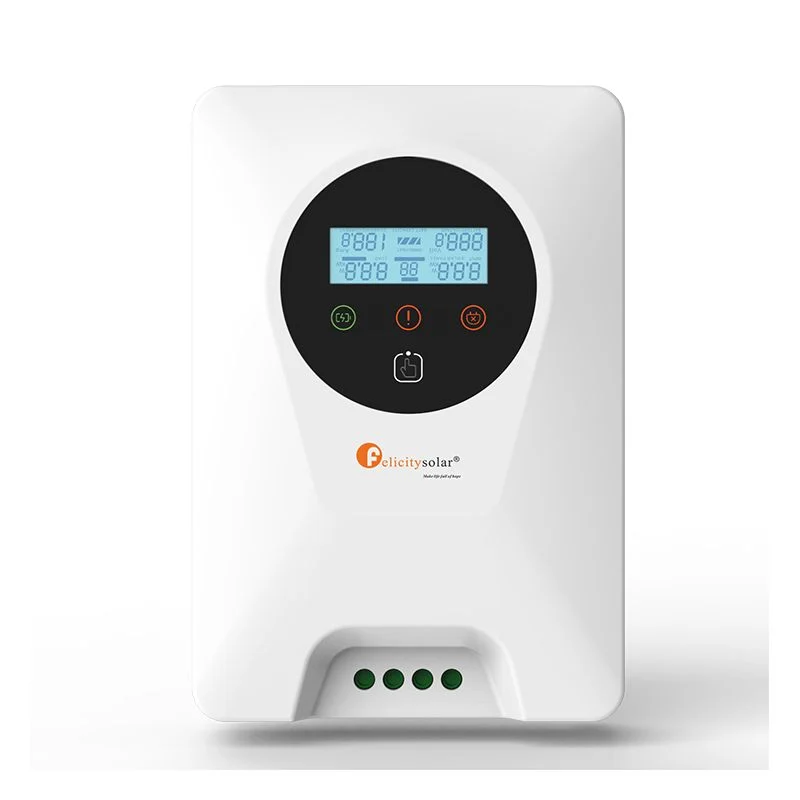
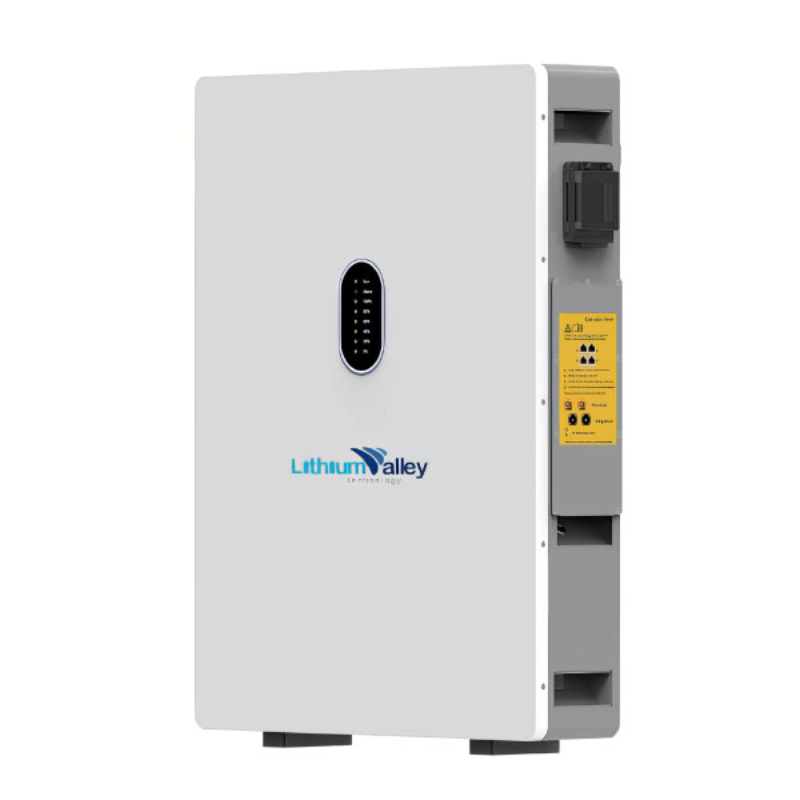
LiFePO4 (Lithium Iron Phosphate) batteries — from brands including Lithium Valley, Felicity and WECO — represent the current standard in solar battery technology, built with a battery management system (BMS) that actively protects against overcharging, overheating and cell imbalance. Gel and AGM (sealed lead-acid) batteries — including Amaron — are the more established, traditionally lower-cost battery technology, still a genuinely viable option for certain budgets and use cases.
Not sure which fits your budget and usage pattern? Call or WhatsApp us on +254 741 163020 and we’ll walk through the trade-offs for your specific system.
Lifespan: The Single Biggest Difference
This is where the two technologies diverge most dramatically. A genuine LiFePO4 lithium battery is typically rated for several thousand charge cycles — often quoted in the range of 4,000 to 6,000+ cycles at reasonable depth of discharge — translating to a realistic working lifespan of 10 years or more with proper use. Gel and AGM batteries are typically rated for a few hundred to around 1,000–1,500 cycles depending on how deeply they’re discharged, generally translating to a working lifespan in the range of 3 to 7 years before meaningful capacity degradation sets in.
Over a system’s full operating life, this difference matters enormously for total cost — a gel battery bank may need replacing two or three times over the same period a single lithium installation would still be performing well, which changes the total-cost comparison considerably even though lithium costs more upfront.
Depth of Discharge: Why Lithium Delivers More Usable Capacity
This is a technical detail that directly affects how much of your battery’s rated capacity you can actually use day to day. Gel and AGM batteries are generally recommended to be discharged only to around 50% of their rated capacity to preserve lifespan — discharging deeper accelerates degradation significantly. LiFePO4 lithium batteries tolerate a much deeper discharge, commonly to 80–90% of rated capacity, without the same lifespan penalty.
In practical terms, this means a lithium battery rated at a given capacity delivers meaningfully more usable daily energy than a gel battery of the same nominal rating, since you’re not sacrificing half the rated capacity just to protect the battery’s lifespan.
Weight, Size and Installation
Lithium batteries are considerably lighter and more compact than gel or AGM batteries of comparable usable capacity, which can matter for installation flexibility, particularly in space-constrained properties or where the battery needs to be wall-mounted rather than floor-standing. Gel batteries, being heavier and bulkier per unit of usable capacity, need more floor space and structural consideration for larger installations.
Safety Considerations
Genuine LiFePO4 lithium batteries with a properly engineered BMS are considered among the safest battery chemistries available for solar storage — LiFePO4 is inherently more thermally stable than other lithium chemistries, and the BMS actively prevents the overcharging and overheating conditions that cause battery safety incidents. This is precisely why buying genuine, branded lithium batteries matters so much — an unbranded lithium battery with a poorly engineered or absent BMS is a genuine safety risk, which is a large part of why we supply only established, quality-verified lithium brands. Gel and AGM batteries are a mature, well-understood technology with a long safety track record, though they carry their own considerations around ventilation and proper installation.
Cost Comparison: Upfront vs Total Cost of Ownership
Gel and AGM batteries have a lower upfront cost per unit of rated capacity, which is genuinely attractive for budget-conscious buyers or smaller systems. Lithium batteries cost more initially, but the combination of longer lifespan, deeper usable discharge, and lower long-term replacement frequency generally makes lithium the better value over a system’s full operating life — particularly for larger systems, businesses, and any installation where the battery will see frequent, deep daily cycling.
| Factor | LiFePO4 Lithium | Gel/AGM |
|---|---|---|
| Typical cycle life | 4,000–6,000+ cycles | 500–1,500 cycles |
| Realistic lifespan | 10+ years | 3–7 years |
| Usable depth of discharge | 80–90% | ~50% |
| Weight/size for comparable capacity | Lighter, more compact | Heavier, bulkier |
| Upfront cost per unit capacity | Higher | Lower |
| Long-term cost of ownership | Generally lower | Generally higher (replacement frequency) |
| Best for | Daily cycling, businesses, larger systems | Budget-conscious buyers, lighter/occasional use |
Which Should You Choose?
For most homes and businesses using their battery daily — running a fridge overnight, covering regular outages, or supporting a full hybrid system — lithium’s longer lifespan and deeper usable capacity generally deliver better long-term value despite the higher upfront cost, particularly once you account for how few times a lithium bank needs replacing compared to gel over the same period. Gel and AGM remain a genuinely sensible choice for buyers prioritising a lower upfront cost, smaller systems with lighter cycling demands, or those wanting a proven, well-understood technology with a longer track record in the Kenyan market specifically.
Frequently Asked Questions
Is lithium always the better choice regardless of budget? Not necessarily — for lighter use or tighter upfront budgets, gel remains a reasonable and reliable option. Lithium’s advantage grows the more heavily and frequently the battery is cycled.
Can I mix lithium and gel batteries in the same system? This generally isn’t recommended — different battery chemistries have different charging characteristics, and mixing them can lead to uneven charging and reduced performance or lifespan for both.
How do I know if a lithium battery I’m being quoted is genuine? Ask specifically for the brand and BMS specification — a reputable supplier will provide this readily. An unusually low price for a lithium battery relative to known genuine brands is worth questioning directly.
Do lithium batteries need more maintenance than gel? Generally less — lithium batteries with a proper BMS require minimal ongoing maintenance, while gel and AGM batteries benefit from periodic terminal and connection checks as part of standard system upkeep.
Get the Right Battery for Your System
Book a free consultation: Call or WhatsApp +254 741 163020 or email info@happysolar.co.ke Browse our full range: Happy Solar Systems shop
Genuine LiFePO4 lithium and gel/AGM batteries, matched to your actual usage pattern and budget — not a one-size-fits-all recommendation.