Our shop is organised into distinct categories — panels, inverters, batteries, charge controllers, cables, and accessories — which makes sense once you know what you’re looking for, but can feel like a maze if you’re starting from scratch. This guide explains what’s actually in each category, a few technical decisions worth understanding before you buy, and — importantly — how to tell whether you should be shopping individual components at all, or whether a complete installation package is the better starting point.
Not sure where to start, or which components you actually need? Call or WhatsApp us on +254 741 163020 — tell us what you’re building or expanding, and we’ll point you in the right direction before you buy anything.
Should You Be Shopping Components or Buying a Package?
This is worth answering honestly before anything else. If you’re building your first solar system from scratch, a complete installation package is almost always the better starting point — the components are matched to work together correctly, professional installation is included, and you avoid the real risk of buying mismatched parts (a battery voltage that doesn’t suit your inverter, a charge controller undersized for your panel array) that can genuinely compromise a system’s performance or safety.
Shopping individual components from our catalogue makes the most sense if you’re expanding an existing system (adding panels, upgrading a battery, replacing a worn part), replacing a specific faulty component rather than the whole system, or you’re a contractor or technically experienced buyer sourcing parts for a project you’re managing yourself. If you’re in the first category — starting fresh — we’d genuinely recommend starting with a package conversation rather than assembling parts individually.
Solar Panels
Our panels category covers Tier-1 monocrystalline modules from Jinko, Canadian Solar, JA Solar and Trina, in various wattages to suit different system sizes and roof space constraints. If you’re replacing or adding panels to an existing system, matching voltage and wattage specifications to your existing array matters for performance — worth confirming your existing setup before ordering, or asking us to confirm compatibility.
Solar Power Inverters
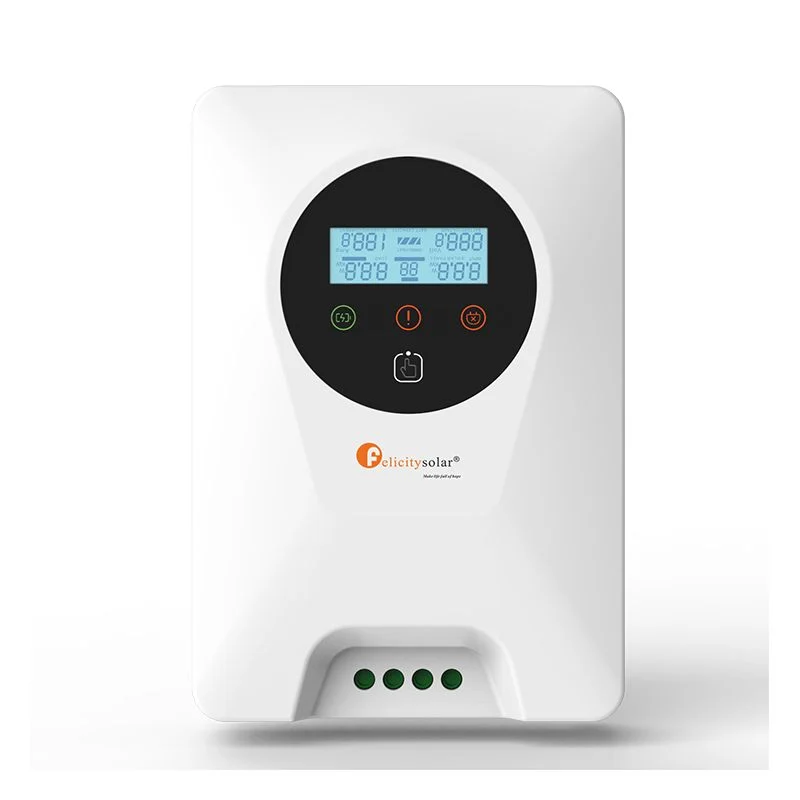
This category includes our full inverter range — Growatt, Deye, Victron Energy, Felicity and TBB RIIO Sun II models, spanning residential hybrid inverters through to larger commercial and industrial capacities. The inverter is the single most important compatibility decision in any system expansion or replacement, since it governs how panels, battery and grid interact — if you’re replacing an inverter on an existing system, confirming compatibility with your current battery chemistry and panel array is essential before ordering.
Solar Batteries
Our battery range spans genuine LiFePO4 lithium options (Lithium Valley, Felicity, WECO) and gel/AGM batteries (Amaron), covering different capacity and budget requirements. If you’re adding batteries to an existing bank, matching chemistry and specification to your current batteries matters — mixing lithium and gel, or batteries of different ages and capacities, within the same bank generally isn’t recommended, since it can lead to uneven charging and reduced performance.
Charge Controllers: PWM vs MPPT, Explained
This is a genuinely important technical decision worth understanding properly, not just picking whichever is cheaper. PWM (Pulse Width Modulation) controllers are simpler and more affordable, and make sense only for small systems under 1kW where your panel array voltage closely matches your battery bank voltage and budget is the primary constraint. MPPT (Maximum Power Point Tracking) controllers continuously track the optimal operating point between your panels and battery, extracting meaningfully more usable energy — commonly cited as up to 30% more than PWM under real-world conditions, particularly when panels are partially shaded or cloud cover causes voltage variation through the day.
As a clear rule: use MPPT for any system above 1kW, for lithium batteries specifically (Weco, Pylontech and similar chemistries need MPPT’s more precise charging control), for modern high-wattage panels (400W and above), and for all Deye and TBB hybrid inverter configurations. Over a system’s 10-year-plus working life, the extra energy MPPT captures adds up to real value — if you’re genuinely unsure which to choose, MPPT is the safer default.
Solar Cables
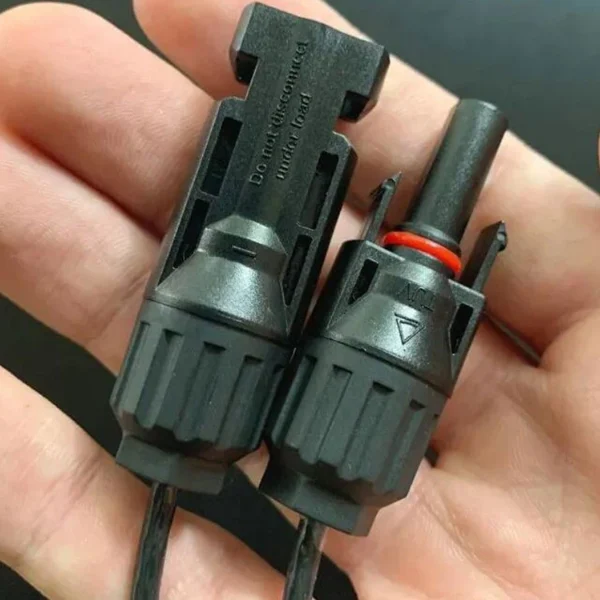
Proper PV cabling — rated for outdoor UV exposure and the specific current loads your system carries — is a genuine safety consideration, not just a wiring formality. Undersized or non-solar-rated cable is a real fire and performance risk, which is why we stock cable specifically rated for solar applications rather than generic electrical wire.
Solar Accessories: Mounting Hardware and Protection
This category covers the physical and electrical protection components that don’t get much attention until something goes wrong. Mounting hardware — aluminium rails, L-feet, mid and end clamps, tile hooks, earthing lugs — forms the structural backbone of any rooftop installation, and corrosion-proof aluminium construction matters genuinely for durability in Kenya’s climate, not just as a premium upsell.
Surge Protection Devices (SPDs) deserve particular attention, and this is worth knowing regardless of where you’re buying from: Kenya’s highland areas — Nairobi, Kiambu, Nakuru, Eldoret and similar regions — experience frequent lightning, particularly during the long rains (March–May) and short rains (October–November). A single nearby lightning strike can destroy an unprotected inverter in milliseconds. An SPD costs a genuinely small fraction of what it protects, which is exactly why we fit one as standard on every installation we complete — and why it’s worth checking your existing system has one if it was installed without our involvement.
Solar Pumps and Solar Lights
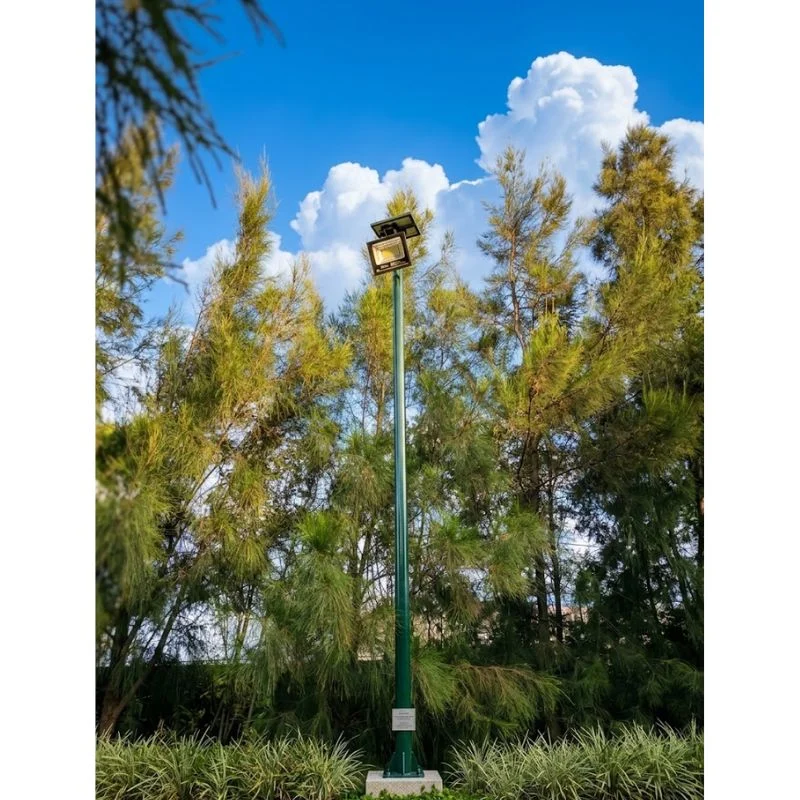
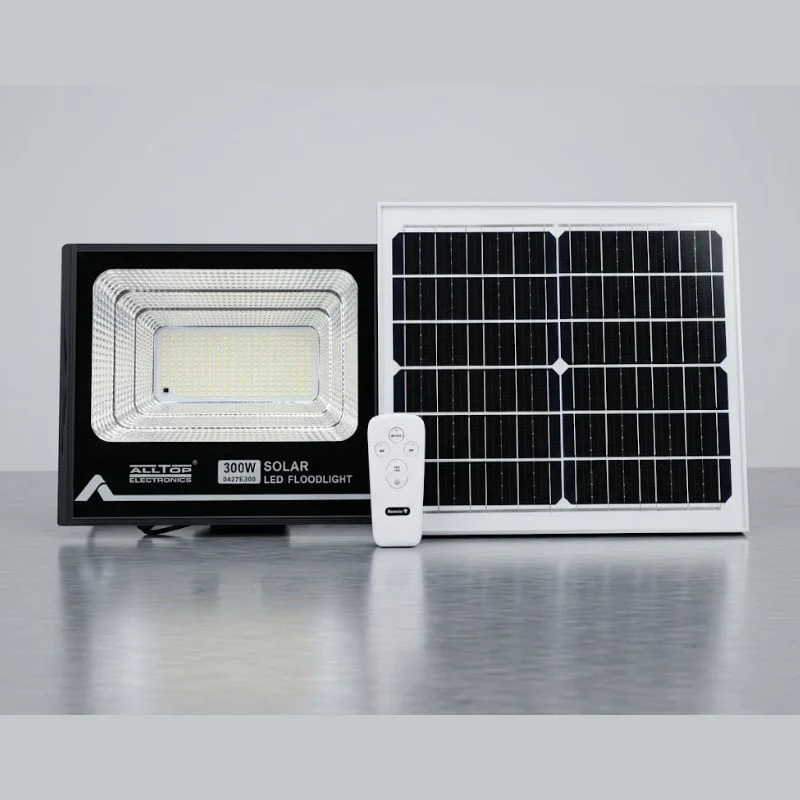
Beyond core system components, we stock standalone solar water pumps (for boreholes, tanks and irrigation) and solar lighting — including all-in-one solar street lights and floodlights with integrated panel, battery and LED in a single unit, requiring no separate wiring or KPLC connection. These work well as standalone additions even to a property without a broader solar electricity system.
A Buying Checklist Before You Order Components
If you’ve decided component shopping is right for your situation, a few things worth confirming first: does the new component’s voltage and capacity match your existing system, not just its wattage rating? Is the component genuine and branded, with proper warranty documentation, rather than an unverified budget alternative? And critically — if you’re not entirely confident about compatibility, is it worth a quick call before ordering rather than after, when a mismatch is more costly to resolve?
Frequently Asked Questions
Can I buy individual components and install them myself? Basic components can be purchased directly, but system design and electrical connection work is genuinely worth having done professionally — both for safety and to avoid compatibility issues that surface after installation.
Do you offer delivery for individual component orders? Yes — free delivery in Nairobi, with 24-hour delivery available nationwide.
What if I order the wrong component for my system? Contact us before installing — we can usually confirm compatibility issues quickly and help correct the order before it becomes a bigger problem.
Should I always choose MPPT over PWM? For any system above 1kW, using lithium batteries, or modern high-wattage panels, yes — PWM only makes sense for genuinely small, budget-constrained systems under 1kW.
Shop With Confidence, or Talk to Us First
Browse the full shop: Happy Solar Systems shop Book a free consultation: Call or WhatsApp +254 741 163020 or email info@happysolar.co.ke
Building or expanding a system? Talk to us first — a five-minute conversation can save you from an incompatible order.