

Kisumu and Eldoret sit at opposite ends of western Kenya’s geography — one a lakeside city with genuine humidity to design around, the other a highland grain and dairy region where altitude actually works in solar’s favour. Both have strong, practical cases for solar, but for different reasons worth understanding separately.
Kisumu: Lake Humidity and a Genuine Agricultural and Fishing Economy
Kisumu’s proximity to Lake Victoria brings higher humidity than much of inland Kenya, which matters for solar installations in similar ways to coastal humidity — electrical enclosures for inverters, charge controllers and batteries benefit from proper weatherproofing and ventilation, and connection points deserve slightly more attention during routine maintenance than a drier inland location would need. None of this changes the core case for solar in Kisumu — the region gets strong, consistent sun exposure — but it does mean installation specification should account for the lake’s humidity rather than assuming standard inland conditions.
Beyond residential and commercial use, Kisumu’s economy has genuine solar-relevant applications: fish cold storage and processing operations depend on reliable refrigeration in exactly the way dairy cold storage does elsewhere in Kenya, and the wider region’s rice, sugarcane and general agricultural activity brings the same irrigation and farm equipment power needs we design for across Kenya’s farming communities.
Have a property or business in Kisumu? Call or WhatsApp us on +254 741 163020 and we’ll walk through what your specific site needs.
Eldoret: Why Altitude Actually Helps Solar Performance
This is a genuinely counterintuitive point worth explaining properly. Eldoret sits at a considerably higher altitude than Nairobi or the coast, and higher altitude means thinner atmosphere — which, for solar panels, generally means slightly less atmospheric filtering of sunlight and somewhat cooler ambient temperatures, both of which tend to support strong panel performance. Combined with the region’s generally clear skies, Eldoret and the wider highland grain belt see genuinely strong solar generation conditions, in some respects more favourable than lower-altitude, hotter locations where panel efficiency loses a little ground to heat.
Eldoret’s economy is built around large-scale grain farming (wheat and maize in particular), dairy, and increasingly diversified agribusiness — all sectors with real, predictable solar applications, from irrigation and grain processing to dairy cold storage and general farm electrification.
Solar for Eldoret’s Grain and Dairy Farms
Grain processing and milling equipment represents some of the heaviest loads we design for on any farm — significant continuous power draw with a substantial motor starting surge, requiring a properly engineered commercial-scale system rather than a standard residential setup. Dairy operations around Eldoret face the same cold storage continuity needs as farms anywhere in Kenya — a power interruption at the wrong moment risking spoiled milk and lost production value. For farms combining grain and dairy operations, or running irrigation alongside processing equipment, a proper load assessment covering all these applications together — rather than sizing for just one — is what determines whether the system actually meets the farm’s full operational needs.
What Solar Costs in Kisumu and Eldoret
Residential and commercial pricing in both cities follows the same national structure as elsewhere in Kenya, with system cost determined by consumption, system type (hybrid, off-grid or grid-tie) and equipment specification rather than location itself changing base pricing significantly. Where location does matter is installation logistics and any humidity- or altitude-specific specification adjustments, and — for farm and agricultural systems in either region — the scale of equipment being powered, which varies considerably by farm size and operation type. An accurate figure for your specific property depends on a proper site assessment.
Why Property and Farm Owners in Both Regions Choose Us
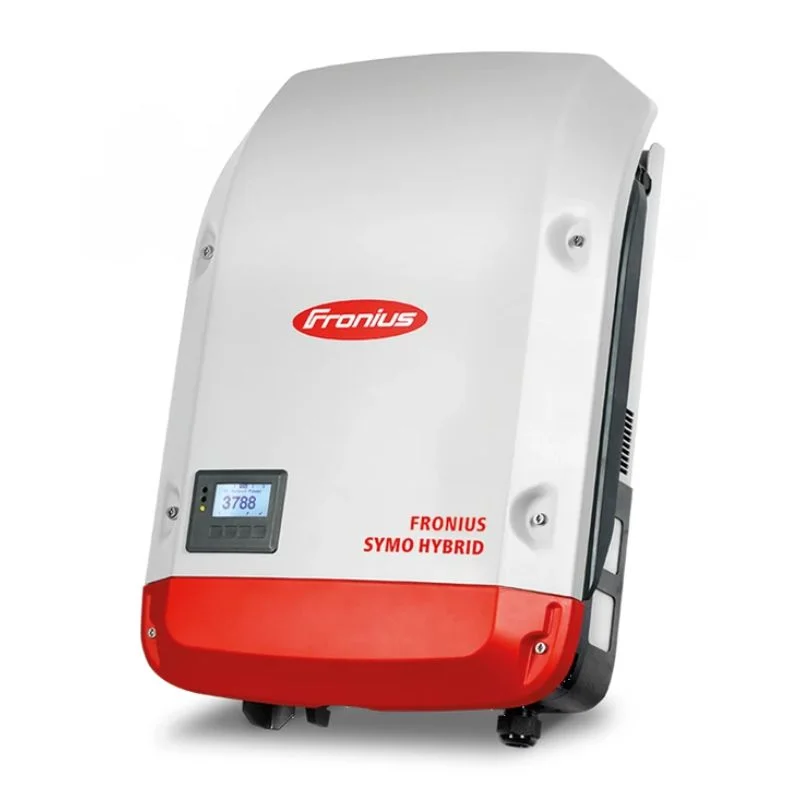
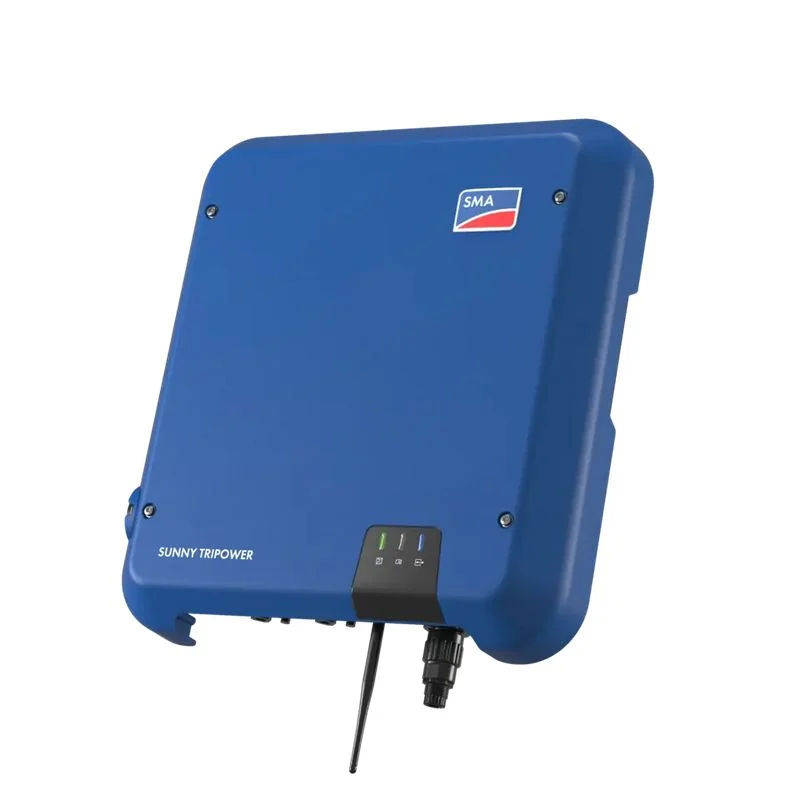
We install and service systems across both Kisumu and Eldoret with the same standards we apply everywhere — genuine Tier-1 panels and branded inverters and batteries, a free site assessment before any quotation, and specification adjusted for each region’s actual conditions rather than a one-size-fits-all national package. For agricultural clients in particular, our experience designing systems for cold storage, irrigation and processing equipment across Kenya’s farming regions carries directly into both Kisumu’s lake-region agriculture and Eldoret’s grain belt.
Frequently Asked Questions
Does Kisumu’s humidity significantly affect solar equipment lifespan? With properly specified, weatherproof enclosures and routine maintenance attention to connections, humidity’s impact is manageable — it’s a specification consideration, not a reason to avoid solar in the region.
Is Eldoret’s solar generation genuinely better than lower-altitude areas? The combination of altitude and generally clear skies does support strong panel performance, though the practical difference for most residential and commercial buyers is modest — both regions see strong, workable solar conditions.
Can a single system cover both irrigation and cold storage on an Eldoret farm? Yes, with correct sizing accounting for both loads together — this is exactly the kind of combined-load assessment we conduct during a farm site visit rather than sizing for one application in isolation.
Do you service systems installed by other companies in Kisumu or Eldoret? Yes — we diagnose and repair solar systems regardless of who installed them originally, across both regions.
Get a Site Assessment in Kisumu or Eldoret
Book a free site assessment: Call or WhatsApp +254 741 163020 or email info@happysolar.co.ke Browse our full range: Happy Solar Systems shop
Genuine Tier-1 equipment, specified for your region’s actual conditions — serving Kisumu, Eldoret and the wider western Kenya region.