
If you are searching for a solar power system in Kenya, you have probably already noticed that there are many different prices, packages and equipment brands in the market. One company may quote KSh 150,000, another KSh 350,000 and another KSh 1 million, and at first it can be difficult to understand why the difference is so big. The simple answer is that these are not necessarily the same type or size of solar system. A small backup system for lights, Wi-Fi and a television is a very different animal from a complete home solar system designed to run refrigerators, pumps, washing machines, cooking appliances and other heavy loads.
The good thing is that you don’t need to be a solar engineer to understand the basics. Once you know what the solar panels, inverter and battery each do, comparing quotations becomes much easier. You also need to know whether you want solar mainly to reduce your electricity bill, provide backup during KPLC outages, power a property that has no grid connection, or do a combination of all three.
Happy Solar Systems currently provides hybrid, off-grid and grid-tied solar systems in Kenya, together with solar panels, hybrid inverters, lithium batteries, solar accessories and professional installation. Its current website says systems are designed around the customer’s actual electricity usage rather than simply installing the same package in every home.
Happy Solar Systems
Call / WhatsApp: +254 741 163020
Email: info@happysolar.co.ke
Ridgeways, Kiambu Road, Nairobi
How Much Does a Solar Power System Cost in Kenya?
There isn’t one fixed solar system price in Kenya because the size of the system makes a huge difference. Happy Solar’s current installation information lists complete residential packages at KSh 330,000, KSh 496,000, KSh 950,000 and KSh 1.08 million, depending on the system size and equipment included. The company’s main website also advertises smaller starter systems from around KSh 95,000, while larger commercial systems can run into several million shillings.
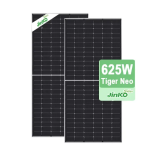
For example, the current Family Package is a 5kWh system with one 5kW Deye hybrid inverter, one 5kWh Lithium Valley battery and four 585W Jinko solar panels. The listed installed price is KSh 330,000. The Standard Package moves up to 10kWh of battery storage and eight 585W panels, with a listed installed price of KSh 496,000.
The Premium Package is designed for larger homes and currently includes 20kWh of battery storage and 16 × 585W Jinko panels, with two 5kW Deye hybrid inverters. Its listed installed price is KSh 950,000. The Ultimate Package increases the system to 24 × 585W panels, two 8kW Deye hybrid inverters and 20kWh of listed battery storage, at KSh 1.08 million.
Happy Solar Systems
+254 741 163020 | info@happysolar.co.ke
Nairobi and nationwide solar supply and installation
What You Actually Get for Your Money
When comparing solar system prices in Kenya, don’t look at the final figure alone. Check what is actually included in the quotation.
A proper quotation should identify the solar panels, inverter, battery, mounting structure, cables, DC and AC protection, changeover equipment and installation. Happy Solar’s current packages include these types of components together with delivery and professional installation.
This matters because a quotation that looks cheap at first may not include everything you need. You may later discover that mounting structures, protection devices, cabling or installation labour are separate costs. Comparing complete installed systems gives you a much clearer picture.
Happy Solar Systems
Call / WhatsApp: +254 741 163020
Email: info@happysolar.co.ke
Types of Solar Power Systems in Kenya
There are three main types of solar power systems you will come across: hybrid, off-grid and grid-tied.
A hybrid system combines solar panels, batteries and usually the electricity grid. This is the type of system many homeowners are interested in because it can reduce grid consumption while also providing backup power when the grid goes off.
An off-grid system is designed for a property that cannot rely on the electricity grid. It may be used for a rural home, farm, holiday property, remote business or other location where grid electricity is unavailable or impractical.
A grid-tied system works alongside the electricity grid and normally does not rely on batteries in the same way as a hybrid system. The right option depends on your property and what you are trying to achieve.
Happy Solar Systems
+254 741 163020 | info@happysolar.co.ke
Hybrid Solar Systems
A hybrid solar system in Kenya is particularly useful if you want to combine solar energy with battery backup and grid electricity.
During the day, solar panels generate electricity. The inverter decides how that energy is used, which can include powering your appliances, charging the battery and reducing the amount of electricity you draw from the grid. When the sun goes down, stored battery energy can be used to supply selected loads.
Then there is the big advantage during a blackout. With a properly configured hybrid inverter and battery system, your essential circuits can continue operating even when the grid supply disappears. Happy Solar’s current residential packages use Deye hybrid inverters with lithium battery storage and state that the systems provide automatic backup during blackouts.
Happy Solar Systems
Call / WhatsApp: +254 741 163020
Ridgeways, Kiambu Road, Nairobi
Off-Grid Solar Systems
An off-grid solar system is designed for a property that does not depend on the electricity grid.
Think about a farm far from the nearest power line, a rural home, a holiday house or a remote facility. In such a case, the solar panels become the main source of electricity, while batteries store energy for use when the sun isn’t shining.
Off-grid systems need to be designed carefully because there is no grid to fall back on when the battery becomes empty. The solar array, battery capacity and inverter therefore need to match the property’s energy requirements and expected usage pattern.
The system may also need to account for periods of poor weather and days when solar production is lower than normal. This is one area where proper system sizing makes a big difference.
Happy Solar Systems
+254 741 163020 | info@happysolar.co.ke
Grid-Tied Solar Systems
A grid-tied solar system is connected to the electricity grid and uses solar energy to reduce the amount of electricity you need to purchase from the utility.
This can make sense for businesses and homes with substantial daytime electricity consumption. Instead of generating all your electricity independently, you use solar when it is available and continue using grid electricity when additional power is required.
The big difference is that a standard grid-tied system is not automatically the same thing as a backup system. If you want electricity to continue flowing during a grid outage, the system needs to be designed with appropriate backup capability, usually involving batteries and a suitable hybrid inverter.
Happy Solar Systems
Call / WhatsApp: +254 741 163020
Email: info@happysolar.co.ke
Solar Systems for Homes in Kenya
For a home, the first question should not be, “How many solar panels should I buy?”
Start with what you actually use. How many refrigerators do you have? Do you have a water pump? Electric cooker? Washing machine? Microwave? TVs? Computers? Air conditioners? What about security systems, Wi-Fi and outdoor lighting?
The answer changes the size of the system considerably. A two-bedroom home with modest electricity consumption may need a completely different system from a five-bedroom house with several heavy appliances.
Happy Solar’s current quotation tool allows customers to select the appliances they want to power and then calculates a recommended package. This is a much more useful approach than choosing a system simply because someone told you that “5kW is enough for a normal house.”
Happy Solar Systems
+254 741 163020 | info@happysolar.co.ke
5kWh Solar System for a Home
The 5kWh solar system is a practical starting point for some smaller homes and customers who mainly want essential backup.
Happy Solar’s current Family Package includes a 5kW Deye hybrid inverter, 5kWh Lithium Valley battery and four 585W Jinko solar panels. The complete package is currently listed at KSh 330,000 installed.
The package is designed around essential household requirements rather than trying to run every possible appliance at once. The current quotation tool estimates approximately 4–6 hours of blackout backup depending on the customer’s actual load.
That last part is important. A 5kWh battery does not mean every house gets exactly the same number of backup hours. If you run a fridge, lights, Wi-Fi and television, the battery will last differently than if you add a kettle, cooker, iron and water pump.
Happy Solar Systems
Call / WhatsApp: +254 741 163020
info@happysolar.co.ke
10kWh Solar System for a Home
A 10kWh solar system provides substantially more battery storage and can make sense for a larger household.
Happy Solar’s current Standard Package includes one 5kW Deye hybrid inverter, two 5kWh Lithium Valley batteries and eight 585W Jinko solar panels. The listed installed price is KSh 496,000.
The current package information positions this system for small to medium-sized homes, particularly three- to four-bedroom homes. The quotation tool estimates approximately 8–12 hours of backup depending on the load being powered.
This type of system can also make sense if you want to store more solar energy during the day and use it in the evening rather than immediately relying on the grid after sunset.
Happy Solar Systems
+254 741 163020 | info@happysolar.co.ke
20kWh and 30kWh Solar Systems
Once you move into larger houses, villas, farms and properties with higher electricity consumption, you may need considerably more storage.
Happy Solar’s current Premium Package is listed at KSh 950,000 and includes 16 × 585W Jinko panels, two 5kW Deye hybrid inverters and 20kWh of battery storage. The current Ultimate Package is listed at KSh 1.08 million, with 24 × 585W panels, two 8kW Deye hybrid inverters and 20kWh of Lithium Valley battery storage.
These larger systems are designed around properties with higher electricity demand, such as large homes, villas and farms. They can support more substantial loads, but the exact appliances that can run simultaneously still depend on the inverter configuration and electrical design.
If you are considering a system of this size, a proper site assessment becomes even more important. At this level, the question is no longer just “how many panels?” but also how much power do you need at one time, how much energy do you consume in a day and how much backup do you want?
Happy Solar Systems
Call / WhatsApp: +254 741 163020
Email: info@happysolar.co.ke
Solar Systems for Businesses
A business can benefit from solar in several different ways.
A shop may want to keep refrigeration and lighting running. An office may be more concerned about computers, networking equipment and air conditioning. A hotel, school or manufacturing facility can have a much larger and more complicated load.
This is why commercial solar should not be designed by simply multiplying a residential package. The installer needs to look at the business’s electricity bills, operating hours, machinery and peak demand.
Happy Solar currently says it handles commercial systems ranging from around KSh 800,000 to KSh 10 million or more, depending on the size and requirements of the installation.
Happy Solar Systems
+254 741 163020 | info@happysolar.co.ke
Solar Systems for Farms
Solar is also a practical option for Kenyan farms, especially where electricity is needed for water pumping, irrigation, electric fencing, refrigeration, lighting and other agricultural operations.
For a farm, solar can be designed around the loads that matter most. A borehole pump, for example, may require a very different inverter and solar array from a small farmhouse.
Happy Solar currently offers solar water pumping systems for boreholes, rivers, dams and tanks, with systems advertised from 0.5kW to 30kW and above.
A farm solar system may also combine different technologies. You could have solar pumping during the day, battery backup for the farmhouse and a separate solar-powered security or electric-fencing system.
Happy Solar Systems
Call / WhatsApp: +254 741 163020
Ridgeways, Kiambu Road, Nairobi
How to Choose the Right Solar System
The easiest way to choose the right system is to start with your electricity consumption rather than the equipment.
Take your recent electricity bills and work out approximately how many units you use each month. Then make a list of the appliances you want to run using solar. Finally, decide how important battery backup is to you.
If you mainly want to reduce daytime electricity consumption, you may not need as much battery storage. If your biggest concern is KPLC blackouts, you need to pay more attention to battery capacity and which appliances will remain powered during an outage.
Happy Solar’s current quotation tool is built around this idea: customers select their appliances, and the recommended system changes according to the load.
Happy Solar Systems
+254 741 163020 | info@happysolar.co.ke
Solar Panels, Inverters and Batteries
Think of the solar system as a team.
The solar panels are the energy producers. They take sunlight and turn it into electrical energy.
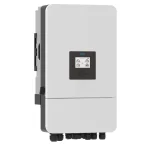
The inverter is the traffic controller. It manages electricity between the solar panels, batteries, grid and household loads.
The battery is the storage tank. It keeps energy available for later use, especially at night or during a blackout.
If one part is badly matched to the others, the entire system can suffer. A huge battery with too few panels may take too long to recharge. Lots of panels with an undersized inverter may not deliver the expected power. A large inverter with insufficient battery capacity may also fail to provide the backup you expect.
Happy Solar Systems
Call / WhatsApp: +254 741 163020
Email: info@happysolar.co.ke
Solar Inverters in Kenya
The inverter is one of the most important components in a solar installation.
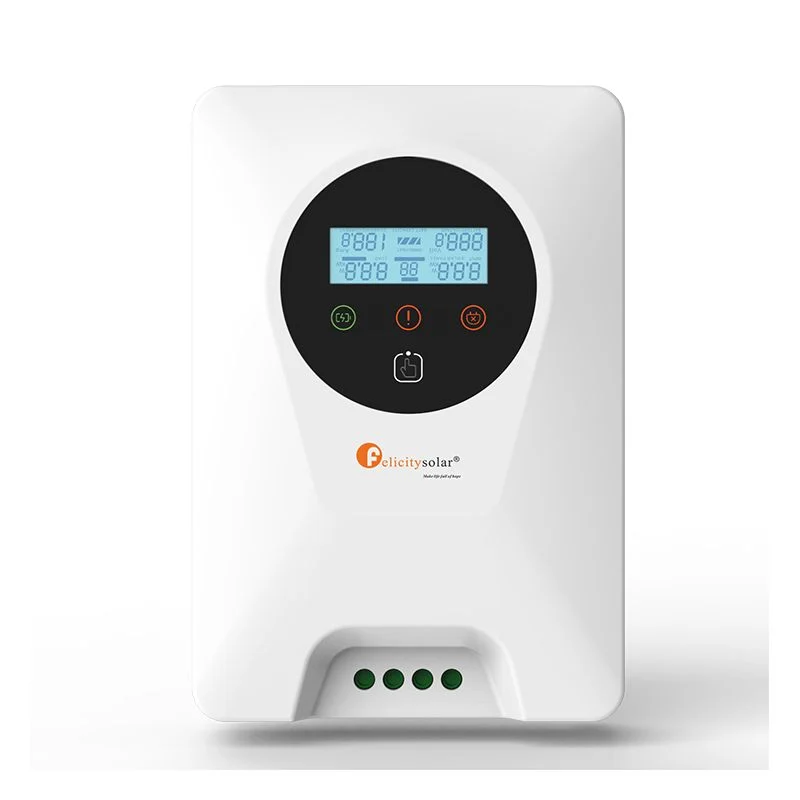
Happy Solar currently supplies Deye, Growatt, Victron and Felicity inverters, with products ranging from smaller systems to larger commercial installations. The current website also lists Deye models including 6kVA, 8kW, 12kW and 20kVA systems.
The correct inverter depends on both your current load and your future plans. If you have several heavy appliances operating at the same time, the inverter needs enough continuous and surge capacity to handle them.
For customers considering expansion later, it is also useful to discuss whether the inverter can accommodate additional solar panels or batteries.
Happy Solar Systems
+254 741 163020 | info@happysolar.co.ke
Solar Batteries in Kenya
Battery storage has become a major part of modern residential solar installations.
Happy Solar currently supplies Lithium Valley, Felicity and other lithium and AGM battery options. The website’s current home packages use Lithium Valley batteries in 5kWh and larger configurations.
The battery capacity you need depends on the appliances you want to run and how long you want them to operate without grid electricity.
If your priority is overnight backup, battery sizing becomes especially important. You need enough stored energy to cover the expected night-time load while also leaving the system within the manufacturer’s recommended operating limits.
Happy Solar Systems
Call / WhatsApp: +254 741 163020
info@happysolar.co.ke
Solar Panel Sizing
Solar panels determine how much energy your system can harvest during the day.
Happy Solar’s current residential packages use 585W Jinko panels. The Family Package uses four panels, giving 2.34kW of rated panel capacity. The Standard Package uses eight panels, giving 4.68kW, while the Premium Package uses 16 panels and the Ultimate Package uses 24.
Actual solar production varies according to sunlight, shading, temperature, panel orientation and other system conditions. So don’t expect a 585W panel to continuously produce 585W throughout the entire day.
The goal is to size the array so that it can produce enough energy for your daily consumption and recharge the battery appropriately.
Happy Solar Systems
+254 741 163020 | info@happysolar.co.ke
Solar Installation in Kenya
A solar system is only as good as its installation.
Panels need to be mounted securely, cables need to be correctly sized, DC and AC protection needs to be installed, and the inverter and batteries need to be configured correctly.
Happy Solar says its installations are carried out by EPRA-licensed solar electricians, with commissioning documentation and support after installation. Its quotation tool also says the final price is confirmed following a site assessment.
That site visit is useful because the installer can assess the roof, electrical distribution, cable routes, mounting requirements and other conditions before the final quotation is confirmed.
Happy Solar Systems
Call / WhatsApp: +254 741 163020
Email: info@happysolar.co.ke
Solar System Payback and Electricity Savings
One of the main reasons people install solar is to reduce their electricity costs.
How much you save depends on how much electricity you currently consume, how much of that consumption the solar system can replace and how effectively you use the energy generated.
Happy Solar’s website currently gives a general 3–5 year payback range for many Kenyan household systems, but the actual payback period for an individual installation can be shorter or longer depending on the system cost, electricity usage and operating conditions.
This is why a proper energy audit is more useful than promising every customer the same savings. Your solar system should be based on your actual electricity consumption.
Happy Solar Systems
+254 741 163020 | info@happysolar.co.ke
Solar Power System Packages in Kenya
Here is a current guide to Happy Solar’s residential packages:
| Package | Battery | Solar Panels | Inverter | Listed Installed Price |
|---|---|---|---|---|
| Family | 5kWh | 4 × 585W | 1 × 5kW Deye | KSh 330,000 |
| Standard | 10kWh | 8 × 585W | 1 × 5kW Deye | KSh 496,000 |
| Premium | 20kWh | 16 × 585W | 2 × 5kW Deye | KSh 950,000 |
| Ultimate | 20kWh | 24 × 585W | 2 × 8kW Deye | KSh 1,080,000 |
These are current published package prices and should be treated as guides. Happy Solar’s quotation tool says the final price is confirmed after a site assessment.
Happy Solar Systems
Call / WhatsApp: +254 741 163020
Email: info@happysolar.co.ke
Where to Buy Solar Power Systems in Kenya
If you are looking for a solar company in Nairobi or a supplier that can deliver solar equipment across Kenya, Happy Solar Systems is based at Ridgeways, Kiambu Road.
The company supplies individual solar equipment as well as complete systems. Its current product range includes solar panels, hybrid inverters, lithium batteries, charge controllers, solar cables, MC4 connectors, mounting structures, protection equipment and other accessories.
You can also use Happy Solar’s online quotation tool to select your appliances and get an initial system recommendation. The company says the quotation can then be confirmed following a site assessment.
Get a Solar Power Quotation from Happy Solar Systems
Happy Solar Systems
+254 741 163020 | info@happysolar.co.ke
Ridgeways, Kiambu Road, Nairobi, Kenya
Conclusion
Choosing a solar power system in Kenya doesn’t have to be complicated.
Start with your electricity consumption, decide which appliances you want solar to power and work out how important battery backup is for your home or business. From there, the correct combination of solar panels, inverter and battery becomes much easier to determine.
Current Happy Solar packages range from a 5kWh Family system at KSh 330,000 to larger residential systems costing KSh 950,000 and KSh 1.08 million. The packages include panels, batteries, inverters, mounting, protection equipment and professional installation, but the final system should still be confirmed according to the property and load.
If you are comparing solar system prices in Kenya, don’t just compare the final figure. Compare the battery capacity, panel capacity, inverter size, equipment brands, protection, installation and warranty. A properly sized system may save you more money over its lifetime than a cheap system that struggles with your actual electricity requirements.
Request a Solar Quote from Happy Solar Systems
Happy Solar Systems
Call / WhatsApp: +254 741 163020
Email: info@happysolar.co.ke
Ridgeways, Kiambu Road, Nairobi
Solar supply and installation across Kenya.
Frequently Asked Questions
How much does a solar system cost in Kenya?
The price depends on the size and type of system. Happy Solar’s current published residential packages range from KSh 330,000 for a 5kWh system to KSh 1.08 million for its larger Ultimate package. Smaller starter systems are also advertised from around KSh 95,000.
What is the best solar system for a 3-bedroom house in Kenya?
There is no single system that suits every three-bedroom house because electricity consumption varies. Happy Solar currently positions its 10kWh Standard Package at KSh 496,000 for typical 3–4 bedroom Nairobi homes, but the final recommendation should be based on the property’s actual appliances and electricity usage.
Can solar power run a whole house?
Yes, a properly designed solar system can power a whole house, but the system must be sized according to the home’s peak loads and daily energy consumption. Heavy appliances such as electric cookers, pumps and air conditioners can substantially increase the required inverter and battery capacity.
Can solar work when KPLC electricity goes off?
Yes, if the system is designed with a suitable hybrid inverter and battery backup. Happy Solar’s current residential packages use Deye hybrid inverters with lithium battery storage and are designed to provide backup during grid outages.
How do I know which solar system I need?
Start with your electricity bills and list the appliances you want to run. You can also use Happy Solar’s solar quotation tool, which allows you to select appliances and generates a recommended package based on the load.
Need help choosing a solar system?
Happy Solar Systems
+254 741 163020
info@happysolar.co.ke
Ridgeways, Kiambu Road, Nairobi