Outdoor solar lighting is one of the most straightforward, lower-cost ways to get real value from solar — no inverter, no connection to your home’s wiring, no electrician required for most units. But “solar light” covers a wide range of quality and capability, and knowing what to actually look for saves you from buying something that looks good in the listing photo and disappoints within a few months.
What makes solar outdoor lighting different from a home system
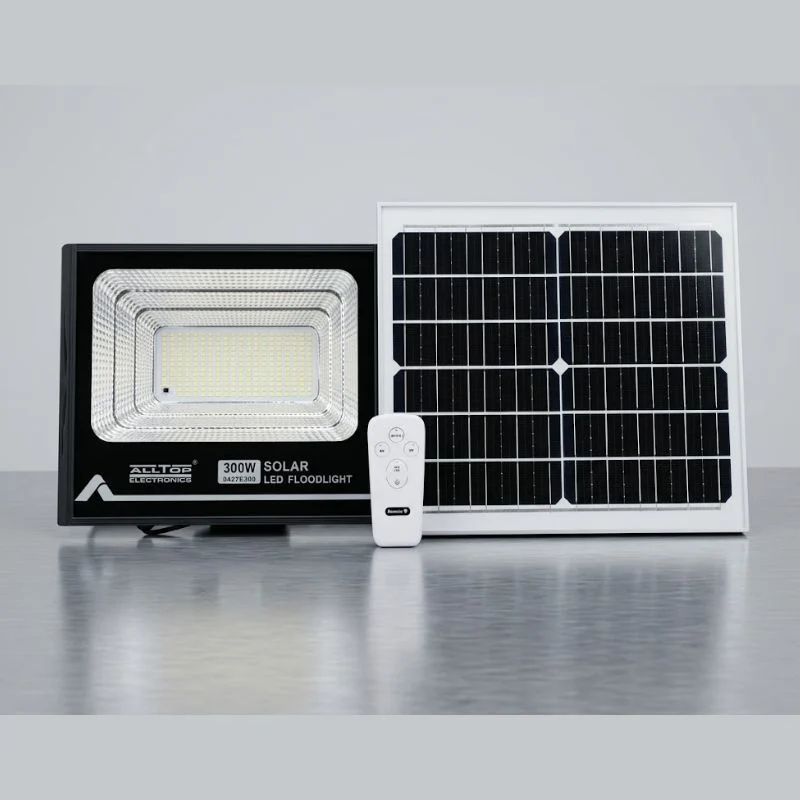
Most solar street lights and floodlights are all-in-one units — the panel, battery, LED light, and control circuitry are all built into a single fixture. This makes them simple to install (usually just mounting the unit and pointing the panel toward the sun) but also means the components are fixed — you can’t easily upgrade just the battery or just the panel later, so it’s worth getting the right spec the first time.
Not sure how many units or what brightness you need for your specific compound or building? Call or WhatsApp us on +254 741 163020 and we’ll help you work it out.
What actually matters when choosing one
Lumens, not watts. Brightness is measured in lumens, and this is what actually tells you how much light you’re getting — wattage alone is a less reliable indicator since LED efficiency varies between products. For general compound or pathway lighting, 3,000–6,000 lumens is usually plenty. For genuine security floodlighting over a larger area, look toward 10,000+ lumens.
Battery capacity and backup nights. Check how many nights of operation the unit can provide from a full charge without sun — a decent unit should comfortably manage 2–3 cloudy nights in a row, not just one, given Kenya’s occasional stretches of overcast weather.
IP rating (weatherproofing). Look for an IP65 rating or higher for genuine outdoor durability — this tells you how well-sealed the unit is against dust and water. A lower rating risks moisture ingress over time, especially during the rainy season.
Motion sensor vs dusk-to-dawn operation. Motion-activated units conserve battery by only lighting at full brightness when triggered, which extends their usable backup nights — a sensible choice for security floodlighting. Dusk-to-dawn units stay on continuously through the night, better suited to pathway or general ambient lighting where constant illumination matters more than battery conservation.
Not sure whether motion-sensor or always-on suits your situation better? WhatsApp us your use case — +254 741 163020 — and we’ll recommend the right type.
Street lights vs floodlights vs garden lights — which for what
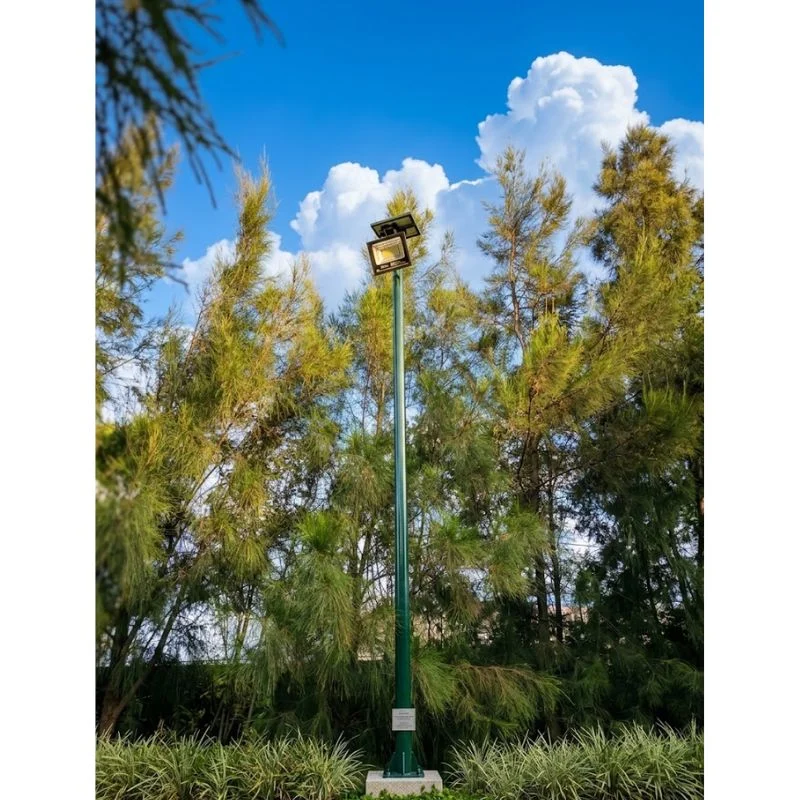
Solar street lights — typically pole-mounted, designed for pathway, driveway, or perimeter lighting over a defined route. Good for compounds, estates, and institutional grounds needing consistent lighting along a path.
Solar floodlights — wall or pole-mounted, wider and more intense beam, designed for security and area illumination rather than a defined path. The go-to choice for covering a parking area, building perimeter, or open compound space.
Solar garden lights — smaller, decorative or low-level pathway lighting, more about ambience and gentle guidance than security. Not a substitute for proper security floodlighting if that’s your actual need.
A common mistake: buying based on price alone
The cheapest listing in a search result is very often a genuinely low-capacity unit with a small battery and an inflated lumens claim on the packaging. A unit that claims high brightness but has a tiny, low-quality battery will look impressive on night one and disappoint within a month as the battery degrades faster than a properly specified one would. Checking actual battery capacity (measured in mAh or Ah) alongside the lumens claim gives a much more honest picture than the lumens figure alone.
Comparing a few listings and not sure which is actually the better spec, not just the better price? Send us the listings — info@happysolar.co.ke or WhatsApp +254 741 163020 — and we’ll help you compare properly.
Installation — simpler than a full system, but still worth doing right
Most solar street lights and floodlights are designed for straightforward mounting without an electrician, since there’s no connection to your home’s wiring. That said, proper positioning matters — the panel needs clear, unobstructed sun exposure through the day (not shaded by trees or buildings for part of the day), and secure mounting matters for units on poles or exposed walls, especially during windy or rainy weather.
Where to start
Browse our solar lighting range or get in touch — call or WhatsApp +254 741 163020 — and tell us what you’re trying to light (a compound, a perimeter, a pathway) and we’ll recommend the right type, brightness, and quantity rather than leave you guessing from a generic listing.