Pay-As-You-Go solar has done something genuinely valuable in Kenya — it’s brought basic solar power to households who couldn’t otherwise access it, spreading cost into small, manageable daily or weekly payments. But PAYG and outright ownership are fundamentally different products solving different problems, and conflating them leads to a lot of confused comparisons. Here’s an honest look at what actually separates them.
How Each Model Works
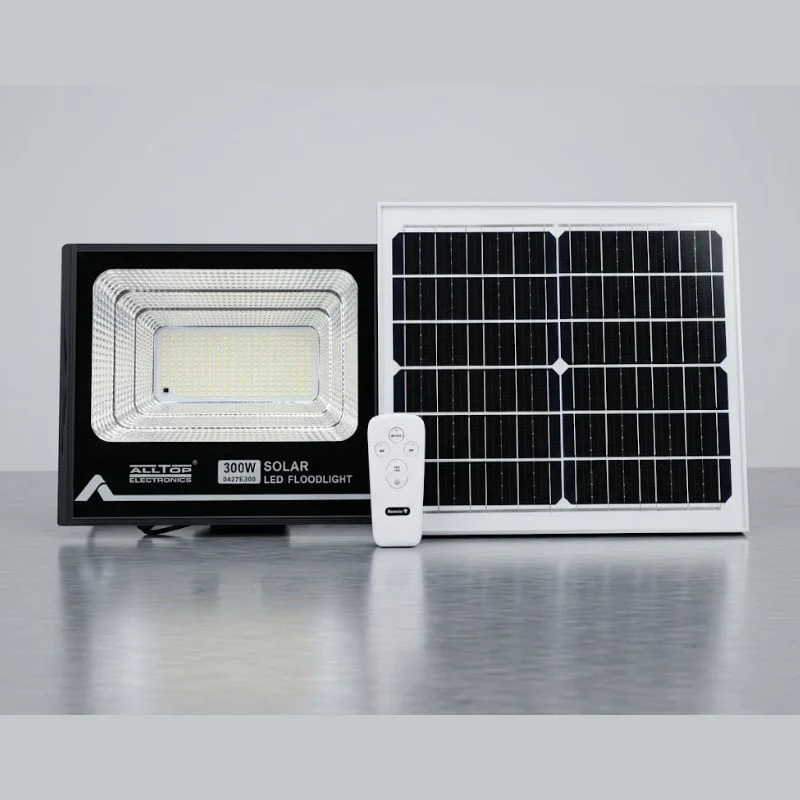
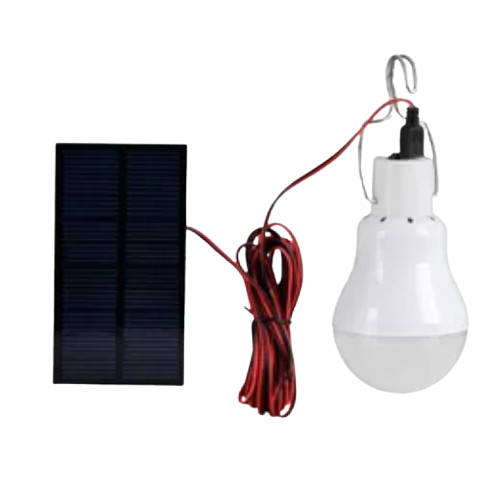
Pay-As-You-Go (PAYG) solar, the model popularised by providers like M-KOPA, lets customers pay for a solar kit in small instalments over months or years, with the system remotely locked or unlocked based on payment status — similar in spirit to financing a phone. Equipment is typically a compact, pre-packaged kit (small panel, battery, a few lights, sometimes a small TV or radio) sized for basic lighting and device charging rather than full household power. Outright purchase, the model we operate on, means the customer pays for a professionally sized system — Tier-1 panels, a proper hybrid or off-grid inverter, and a battery bank matched to actual household or business consumption — either as a single payment or through direct financing arranged with the customer’s own bank or sacco, with full ownership from day one.
Trying to work out which actually fits your budget and needs? Call or WhatsApp us on +254 741 163020 and we’ll talk through the real numbers for your situation.
The Real Difference: Total System Capacity
This is the comparison that matters most and gets discussed least. PAYG kits are generally designed for basic lighting, phone charging, and perhaps a small radio or television — a genuinely valuable entry point for households with no prior electricity access, but not a system built to run a fridge, washing machine, or serious household load. Outright-purchased systems, sized through a proper site assessment, are built around your household’s actual full consumption — meaning the comparison isn’t really “cheaper vs more expensive” so much as “basic lighting access vs full household electrification.” Comparing the two on price alone misses that they’re often solving genuinely different problems.
Total Cost Over Time
Where the two models become more directly comparable is when a household outgrows a basic PAYG kit and needs to add capacity, or when comparing a full outright system against financing an equivalent-capacity system through PAYG-style extended payments. PAYG’s small daily or weekly payments carry an implicit financing cost, similar to any instalment purchase — over the full payment term, the total cost is generally higher than the equivalent cash price of the same equipment bought outright. Outright purchase, whether paid in full or financed through a bank or sacco loan at standard interest rates, generally represents the lower total cost path for a given amount of solar capacity, though it requires either upfront capital or independent financing arrangement.
Equipment Quality and Ownership
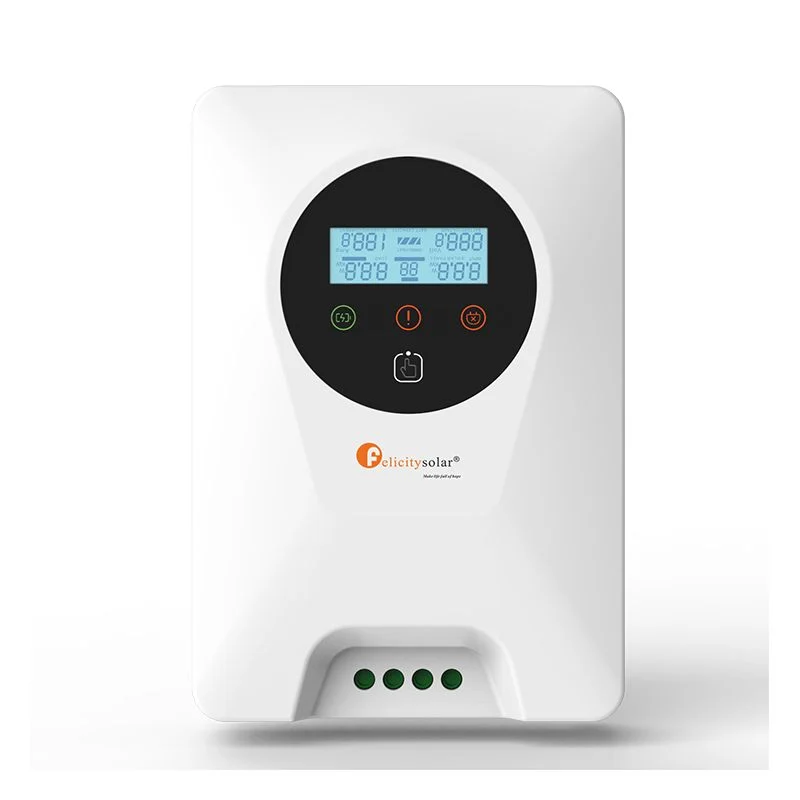
This is a genuine, meaningful difference worth being direct about. PAYG kits are engineered to hit a specific low price point for a specific basic-access use case, which generally means smaller panels, smaller batteries (often gel or basic lithium rather than premium LiFePO4), and simpler, less feature-rich inverters or charge controllers than a professionally specified full system. With outright purchase, we supply only Tier-1 panels (Jinko, Canadian Solar, JA Solar, Trina) and genuine branded inverters and batteries (Growatt, Deye, Victron Energy, Felicity, Lithium Valley), sized specifically to your household or business needs rather than a standardised basic kit.
Ownership itself differs meaningfully too — with PAYG, the system typically remains under the provider’s control (and can be remotely locked) until the full payment term is complete, at which point ownership transfers. With outright purchase, you own the equipment from installation, with no ongoing dependency on a provider’s payment system to keep your power running.
Which Model Is Right for You?
If you have no prior electricity access at all and need a low-cost entry point for basic lighting and phone charging, PAYG solar has genuinely opened up access that wouldn’t otherwise exist for many households, and remains a sensible starting point for that specific need. If you need to run a genuine household or business load — refrigeration, water pumping, multiple rooms of lighting, backup through power outages, or any appliance beyond basic lighting — a professionally sized, outright-purchased system is very likely the more appropriate and, over time, more cost-effective solution, since PAYG kits generally aren’t designed or sized for that level of consumption in the first place.
Financing Options for Outright Purchase
Outright purchase doesn’t necessarily mean paying the full amount upfront. Many of our clients finance their system through their own bank, sacco, or asset-financing arrangement, spreading the cost over a structured loan term while owning the equipment outright from installation. This generally offers more favourable total cost than PAYG-style instalments for a comparable system size, since you’re financing at your own negotiated rate rather than a rate built into the provider’s kit pricing.
Frequently Asked Questions
Is PAYG solar a bad option? Not at all for its intended purpose — basic lighting and phone charging access for households with no prior electricity. It’s simply a different product from a full household solar system, and the comparison should reflect that.
Can I start with a PAYG-style basic system and upgrade to a full outright system later? In principle yes, though the equipment itself typically isn’t designed to be expanded piece by piece — most households moving beyond basic access end up installing a separate, properly sized system rather than incrementally expanding a PAYG kit.
Is financing an outright system through my own bank actually cheaper than PAYG? Generally yes, particularly for larger systems, since bank or sacco financing rates are typically more favourable than the implicit financing cost built into PAYG instalment pricing — though this depends on your specific financing terms.
What happens to a PAYG system if I stop making payments? The system is typically remotely locked by the provider until payments resume or the arrangement is otherwise resolved — worth understanding this dependency clearly before committing to a PAYG plan.
Get a System Sized to Your Actual Needs
Book a free site assessment: Call or WhatsApp +254 741 163020 or email info@happysolar.co.ke Browse our full range: Happy Solar Systems shop
Genuine Tier-1 equipment, sized to your real household or business consumption — owned outright from day one.