October 4, 2026

Solar vs Diesel Generator in Kenya — The Real Cost Comparison

If you’re currently running a generator during outages — or thinking about buying one instead of going solar — it’s worth sitting down with the actual numbers before deciding. Most people compare the two by upfront cost alone, generator wins that comparison easily, and that’s exactly why it’s the wrong comparison to make. The upfront cost, which is where the generator looks good A diesel generator sized for a typical home — enough to run lights, fridge, a few sockets, maybe a water pump — costs considerably less upfront than a comparable hybrid solar system with battery backup. If you’re […]
October 4, 2026

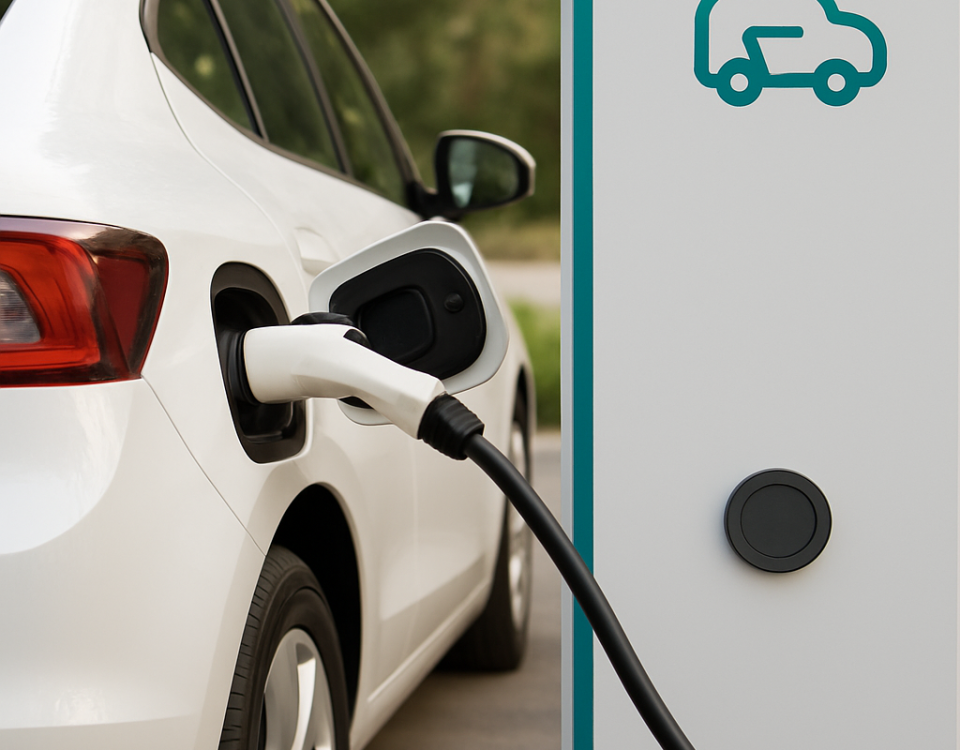
Charging an Electric Vehicle at Home in Kenya?

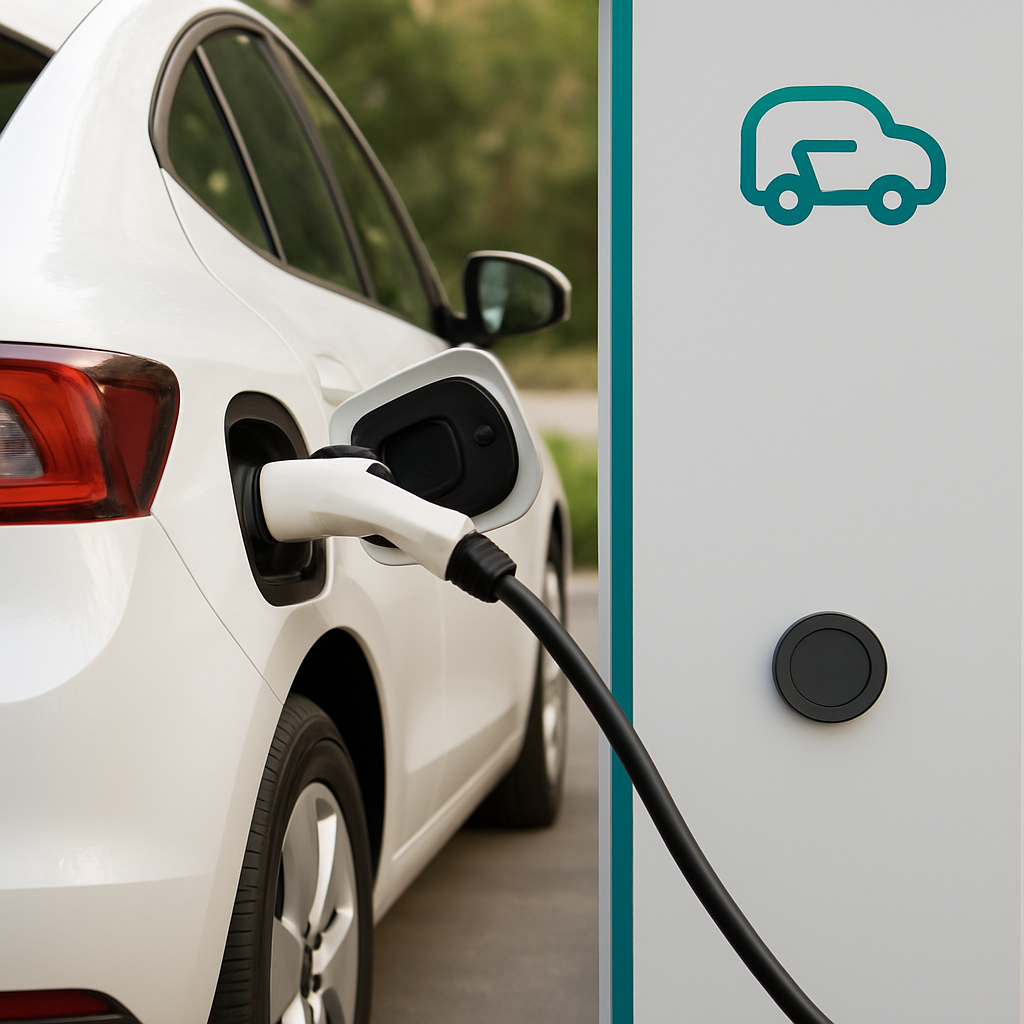
Electric vehicle ownership is still a relatively new conversation in Kenya, but it’s growing quickly enough that Kenya Power has rolled out a dedicated e-mobility tariff specifically for EV charging — which tells you the utility expects meaningful growth in home charging demand. If you’re an EV owner, or considering becoming one, here’s how solar fits into that picture. KPLC’s e-mobility tariff, briefly Kenya Power now offers a specific discounted tariff for customers metered for EV charging — a lower per-unit rate during off-peak hours compared to peak hours, specifically to encourage charging at times that ease pressure on the […]
October 12, 2026

How to Read Your KPLC Bill — And What It Tells You About Solar

Most people glance at the total amount due on their KPLC bill and move on. But that bill actually has everything needed to get a realistic starting estimate of what solar system size would suit your home — if you know what to look for. Here’s how to read it properly. The number that actually matters: units consumed (kWh) Somewhere on your bill, usually near the top of the billing details, you’ll find your consumption measured in kWh (kilowatt-hours) for that billing period — this is the actual amount of electricity you used, separate from the shillings amount, which is […]
October 16, 2026

Net Metering in Kenya Explained: How to Get Credit for Excess Solar Power

If your solar system generates more power than your property uses during the day, net metering is what determines whether that surplus is simply wasted or actually credited back to you. Kenya formalised this with the Energy (Net-Metering) Regulations, 2024, gazetted by the Energy and Petroleum Regulatory Authority (EPRA) under the Energy Act 2019 — and understanding how it actually works changes how you might size and configure a grid-connected solar system. Considering a system that exports excess power to the grid? Call or WhatsApp us on +254 741 163020 and we’ll walk you through whether net metering makes sense […]
October 16, 2026

Tier-1 vs Cheap Solar Panels in Kenya: Why the Brand Behind Your Panel Actually Matters

Solar panels all look roughly the same from the outside — a dark rectangular grid in an aluminium frame — which is exactly why price becomes the easiest thing to compare, and exactly why it’s the wrong thing to compare on its own. Kenya’s solar market has grown fast enough that genuine, well-engineered Tier-1 panels now sit on the same shelves and the same online marketplaces as unbranded imports that look identical but perform very differently after a year or two in the sun. Here’s what actually separates them. What “Tier-1 Solar Panel” Actually Means Tier-1 is a classification used […]
October 15, 2026

ELECTRIC VEHICLE CHARGING AND BATTERY SWAPPING INFRASTRUCTURE GUIDELINES IN KENYA

Electric vehicle charging in Kenya refers to the process of replenishing the energy stored in the battery of an electric vehicle (EV). It involves connecting the EV to a charging station or point to transfer electrical energy from the grid to the vehicle’s battery, allowing it to operate. Electric vehicle charging infrastructure includes various types of charging stations, such as: AC Charging Stations: These stations provide alternating current (AC) electricity to the vehicle’s onboard charger, which converts it to the direct current (DC) needed to charge the battery. AC charging is typically slower and is commonly found in residential settings. […]
September 7, 2026

How much does a solar system cost in Kenya?

Based on a number of variables, including the size and type of the system, the components’ quality, the difficulty of the installation, and the location, the cost of a solar system in Kenya can vary significantly. At Happy Solar Systems we have made it simpler to choose a solar package that would fit your budget. Kindly see Our Solar Power Packages Here. You can use the following general principles to understand the price range for various solar system types in Kenya: Solar-powered off-grid systems: Costs for modest off-grid solar systems can range from KES 10,000 to KES 50,000 and are […]
October 11, 2026

How much does solar installation cost in Kenya?

If you’ve been searching “solar installer near me”, chances are you’re ready to switch to reliable, cost-saving solar power. Good move — but here’s the truth: the installer you choose matters just as much as the equipment you buy. In Kenya, solar demand is rising fast, especially in areas like Nairobi, Kiambu, Machakos, and Kajiado. But not all installers offer the same quality, pricing, or after-sales support. This guide will help you choose the best solar installer near you — without costly mistakes. Why Choosing the Right Solar Installer Matters A solar system is a long-term investment (15–25 years). A […]
September 7, 2026

Solar Power for Hospitals and Clinics in Kenya

In most buildings, a power cut is an inconvenience. In a health facility, it can be genuinely dangerous — equipment failing mid-procedure, vaccines and medications losing cold chain integrity, critical care units losing monitoring and life-support systems at exactly the wrong moment. Reliable power isn’t a comfort feature for hospitals and clinics; it’s core infrastructure, which is exactly why solar has become an increasingly serious consideration for Kenyan health facilities, not just a cost-saving upgrade. A Real Example: Uninterrupted Power for Critical Care One health facility we worked with now operates on a hybrid solar system specifically designed to guarantee […]