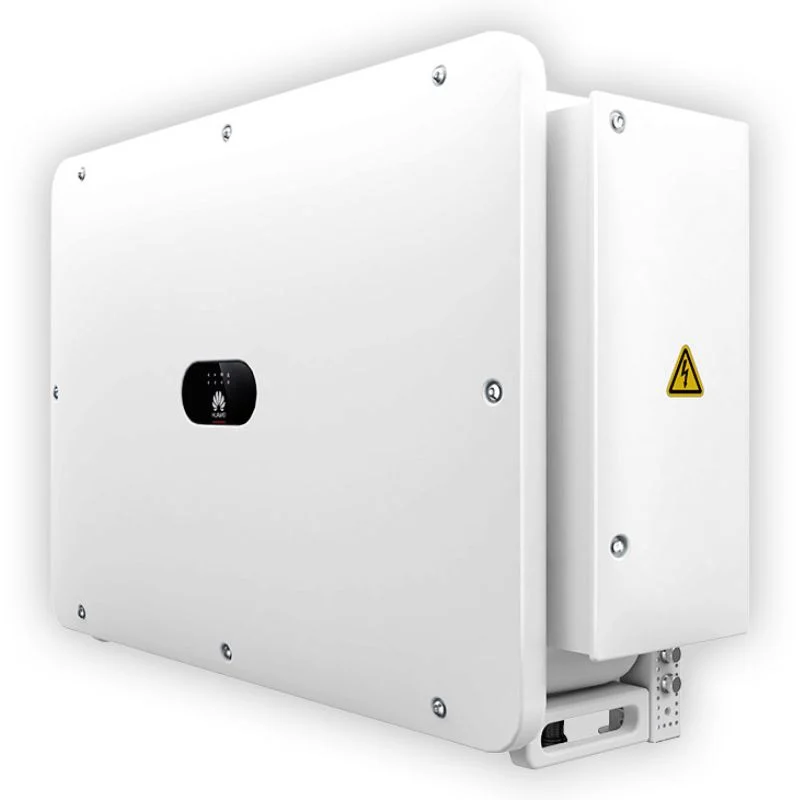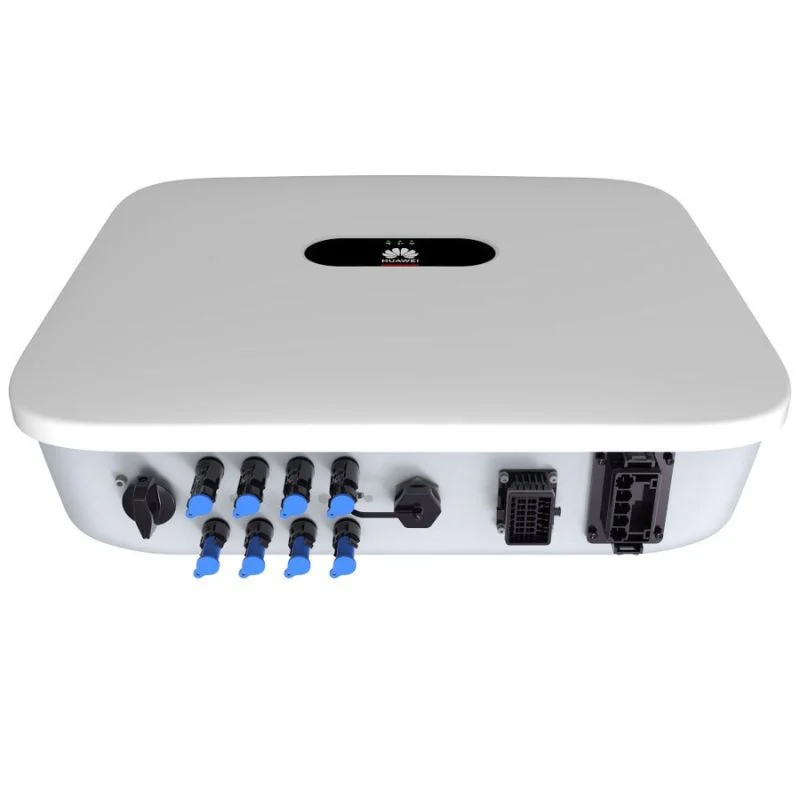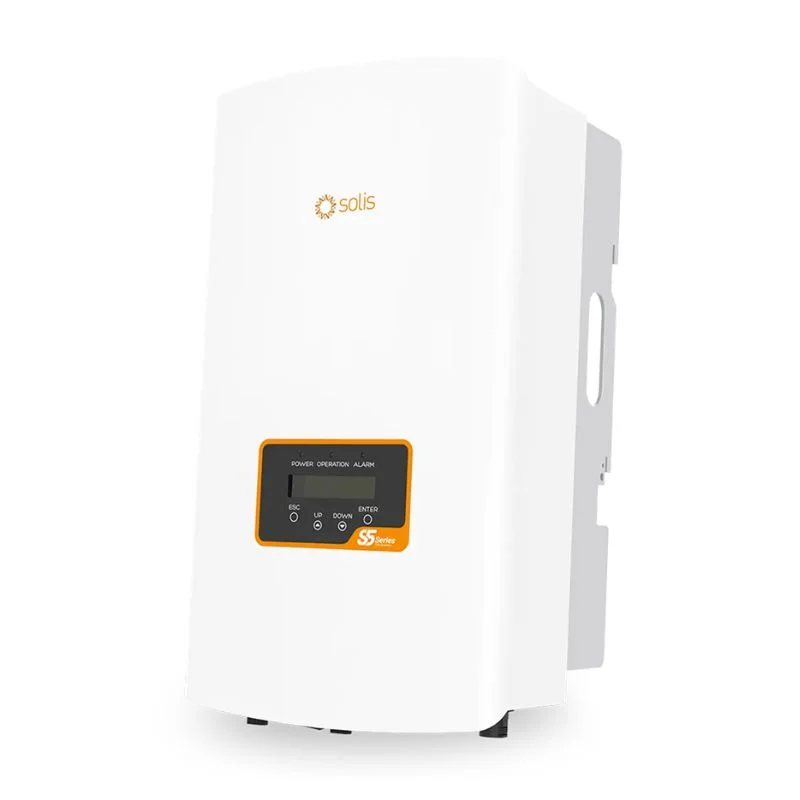

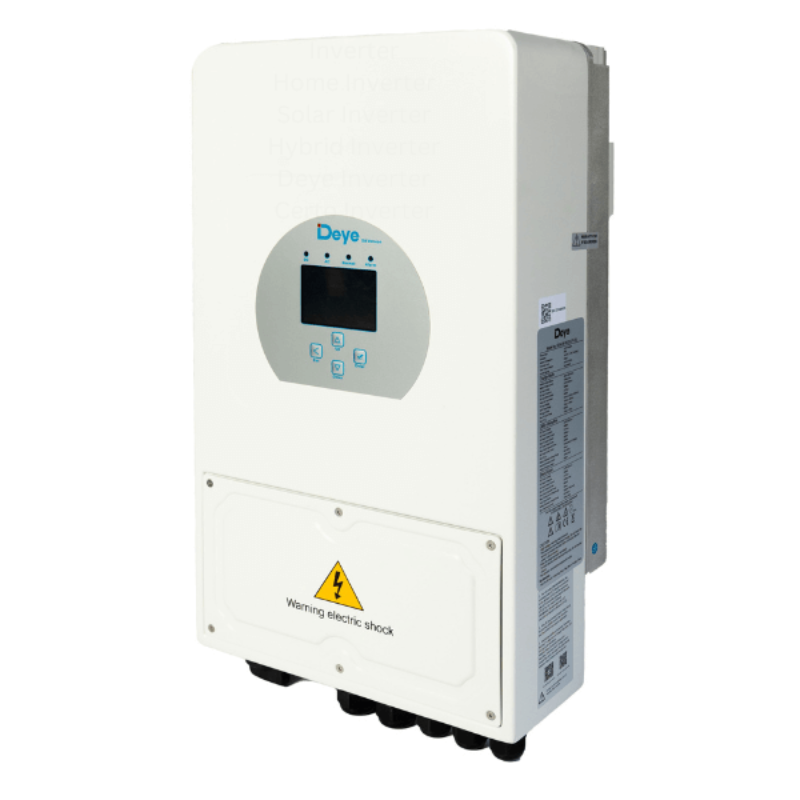
We stock six sizes of Deye hybrid inverter, and the question we get most isn’t “is Deye good” (it is, consistently, which is why we carry it) — it’s “which size do I actually need.” Here’s an honest, spec-by-spec breakdown of the full range, so you’re not guessing between a 5kW and a 6kVA listing that look confusingly similar on paper.
Quick comparison
| Model | Price | Rated output | Max PV input | MPPTs | Battery current (charge/discharge) | Best for |
|---|---|---|---|---|---|---|
| Deye 5kW | KSh 98,000 (sale, was 105,000) | 5,000W | ~6,500W | 2 | 120A / 120A | Small home, essentials + blackout backup |
| Deye 6kVA | KSh 110,000 | 6,000VA | ~8,000W | 2 | 120A / 120A | Slightly larger home than the 5kW covers |
| Deye 8kW | KSh 147,000 | 8,000W | ~10,000–12,000W | 2 | 120–135A / 120–135A | Medium home, washing machine + more lighting circuits |
| Deye 12kW (Single Phase) | KSh 225,000 | 12,000W | ~15,000–18,000W | 2–3 | 180–200A / 180–200A | Larger home, AC, electric cooker, home office |
| Deye 12kW (Three Phase) | KSh 234,000 | 12,000W (per phase config) | ~15,000–18,000W | 2–3 | 180–200A / 180–200A | Same capacity as above, for 3-phase properties |
| Deye 20kVA | KSh 375,000 | 20,000VA | ~26,000W+ | 3+ | 240A+ / 240A+ | Commercial, larger estates, heavy continuous load |
Figures above are drawn from Deye’s published specifications for this inverter class and may vary slightly by exact model revision — we confirm the precise datasheet for your unit before you order.
Not sure which row fits your home? Call or WhatsApp us on +254 741 163020 with a rough list of what you’re running and we’ll tell you straight.
What the Deye 5kW actually looks like under the hood
Since it’s our most popular size, worth showing what “5kW” actually includes, confirmed against Deye’s published datasheet for this model:
- Battery voltage range: 40–60V (48V nominal) — compatible with both lithium and lead-acid batteries
- Max charging/discharging current: 120A
- Max PV input power: ~6,500W, across 2 independent MPPT trackers
- MPPT voltage range: roughly 150–425V, meaning it tolerates a fairly wide panel string configuration
- Rated AC output: 5,000W continuous, up to 5,500VA
- Max efficiency: 97.6%
- Grid-to-battery switchover: automatic, within milliseconds, so a blackout doesn’t interrupt your essential loads
- Protection degree: IP65, rated for both indoor and sheltered outdoor installation
- Monitoring: Wi-Fi dongle included, with mobile app and web browser monitoring
- Scalability: up to 16 units can be paralleled for larger combined systems
This same general architecture — dual MPPT, automatic grid/battery switching, app monitoring — carries through the whole range, scaling up in PV input capacity, battery current, and AC output as you move to larger models.
5kW vs 6kVA — what the small jump actually buys you
This is the comparison we’re asked about most, since the two sit closest together in price. The 6kVA gives you a higher rated output ceiling for the same core architecture — useful if your household sits just above what the 5kW comfortably handles at peak simultaneous load, without needing the bigger jump to 8kW. If your current KPLC bill and appliance list are genuinely modest, the 5kW is very likely sufficient and the better value choice.
8kW vs 12kW — where most upgrade decisions happen
The 8kW suits a medium home with a washing machine and more lighting circuits than the two smaller units are built for. The jump to 12kW is usually driven by one of two things: adding AC in one or more rooms, or an electric cooker — both genuinely heavy, continuous loads that the smaller units aren’t sized for. If you’re planning either of these additions within the next couple of years, it’s worth sizing for the 12kW now rather than upgrading twice.
Not sure if your planned appliance additions (AC, electric cooker) push you into 12kW territory? Email info@happysolar.co.ke or WhatsApp +254 741 163020 with your plans and we’ll size it properly.
Single phase vs three phase 12kW — don’t guess this one
Same capacity, same price bracket, but these are not interchangeable. Single-phase and three-phase refer to how power is distributed from the grid into your building, and your property’s existing connection type determines which you need — not personal preference. Check your KPLC meter or ask your electrician before ordering; connecting the wrong configuration doesn’t just underperform, it can fail to work at all.
Not sure if your property is single-phase or three-phase? Send us a photo of your meter or DB board on WhatsApp — +254 741 163020 — and we’ll confirm before you order.
A note on genuine stock
Deye has become one of the most popular inverter brands in Kenya, which means grey-market and reseller stock has become more common alongside it. Every unit we sell is sourced through authorised channels, with full warranty support — worth confirming with any supplier if you’re comparing prices elsewhere, since an unusually low price on a Deye unit is worth asking questions about before you buy.
Browse our full inverter range or call +254 741 163020 — tell us your home or business size and current usage, and we’ll point you to the right unit rather than the one with the highest margin.