This is the single most common question we get, and it’s also the one most solar shopping guides in Kenya answer badly — either with a single generic “it depends,” or with a system size pulled out of thin air with no connection to what you’re actually trying to run. Below is a direct, appliance-by-appliance answer, based on typical Kenyan household and commercial loads, with the caveat that applies to every single one of these: exact sizing depends on your specific appliances, how many hours a day you run them, and your local sun conditions — which is exactly what a free site assessment is for.
Not sure where your setup fits? Skip the guesswork. Call or WhatsApp us on +254 741 163020 and we’ll size a system for your actual appliances, not a generic estimate.
How Solar Sizing Actually Works (The Short Version)
Every solar system is sized around three numbers: your total daily energy consumption (measured in kWh, or kilowatt-hours), your peak power demand (the highest wattage draw when multiple appliances run at once), and your battery capacity (how much stored energy you need to get through the night or a cloudy stretch). Incorrect sizing — usually undersizing to save money upfront — is one of the most common and costly mistakes Kenyan solar buyers make, leading to a system that constantly runs out of power or can’t start high-draw appliances at all. Every estimate below is a planning starting point, not a substitute for an actual load assessment.
How Many Solar Panels/Batteries to Run a Fridge in Kenya?
Short answer: A standard household refrigerator typically draws 100–400W while running (fridges cycle on and off, so average daily consumption is usually 1–3 kWh). A modest 2–3 panel system (roughly 600W–900W of panels) paired with a mid-sized lithium or gel battery is generally sufficient to keep a fridge running reliably, including through the night.
Fridges are one of the easier appliances to plan for since their load is relatively constant and predictable, but chest freezers and larger double-door fridges draw meaningfully more — worth specifying the exact model when requesting a quote.
How Many Solar Panels/Batteries to Run a Washing Machine in Kenya?
Short answer: Washing machines typically draw 500W–2,000W depending on the model and cycle (with the motor spinning and any heating element being the biggest draws), used for a relatively short period per use rather than continuously. A system with 4–6 panels and a mid-to-large battery bank generally handles a washing machine alongside typical household lighting and electronics.
The main sizing consideration is peak draw, not just total energy — a washing machine’s motor and heating cycle can create a short spike in demand that a correctly sized inverter needs to handle without struggling.
How Many Solar Panels/Batteries to Run a Borehole or Water Pump in Kenya?
Short answer: Borehole and water pump power needs vary enormously by pump horsepower and how deep water needs to be lifted — a small domestic booster pump might draw under 1kW, while a larger borehole submersible pump can draw 3kW or considerably more. This is one of the applications where an accurate site assessment matters most, since undersizing a pump’s solar supply is a common and expensive mistake for farms and rural homes.
We supply dedicated solar pumping solutions engineered specifically for this load profile, rather than treating a borehole as a standard household appliance — the surge current when a pump motor starts is significantly higher than its running current, which needs to be accounted for in both panel and inverter sizing.
How Many Solar Panels/Batteries to Run a Posho Mill in Kenya?
Short answer: Posho mills (grain milling machines) are genuinely heavy loads, typically drawing several kilowatts during operation with a significant motor starting surge — this is a commercial-scale solar application, not a standard residential system, and needs a properly engineered setup with an inverter rated to handle the starting surge specifically.
For posho mills and similar heavy agricultural or small-industrial equipment, a proper site assessment isn’t optional — the cost of undersizing shows up immediately as a system that simply can’t start the motor, not as a gradual performance decline.
How Many Solar Panels/Batteries to Power an Electric Fence in Kenya?
Short answer: Electric fence energizers are actually a very light solar load — most residential and farm energizers draw well under 100W continuously, meaning even a single small panel (100–200W) with a modest battery is typically more than sufficient to power a fence energizer reliably, including through several consecutive cloudy days.
This is one of the most cost-effective solar applications available, precisely because energizers are designed to be low-draw by nature.
How Many Solar Panels/Batteries for Security Lights in Kenya?
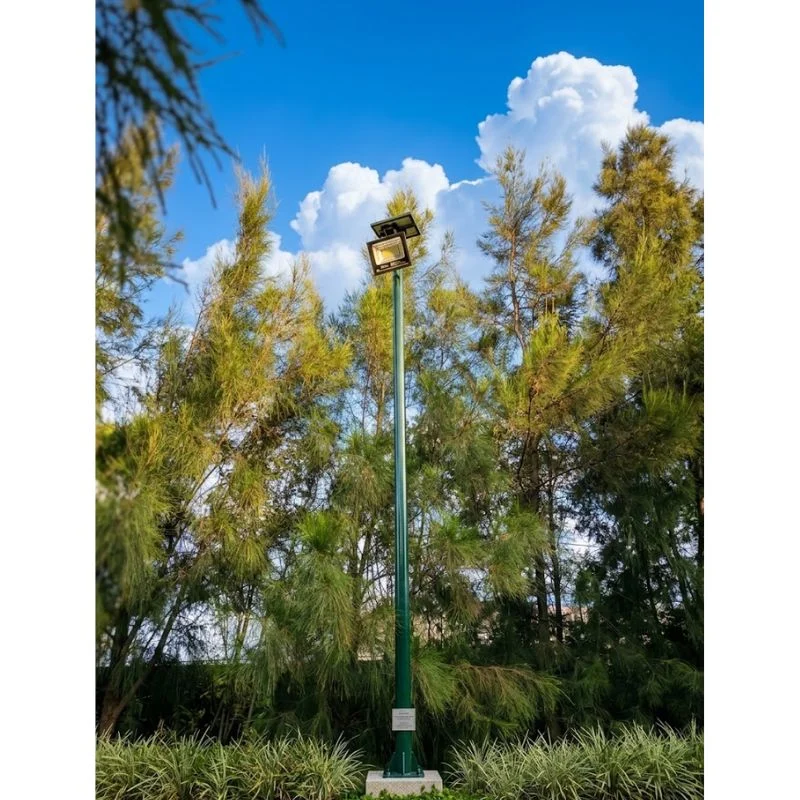
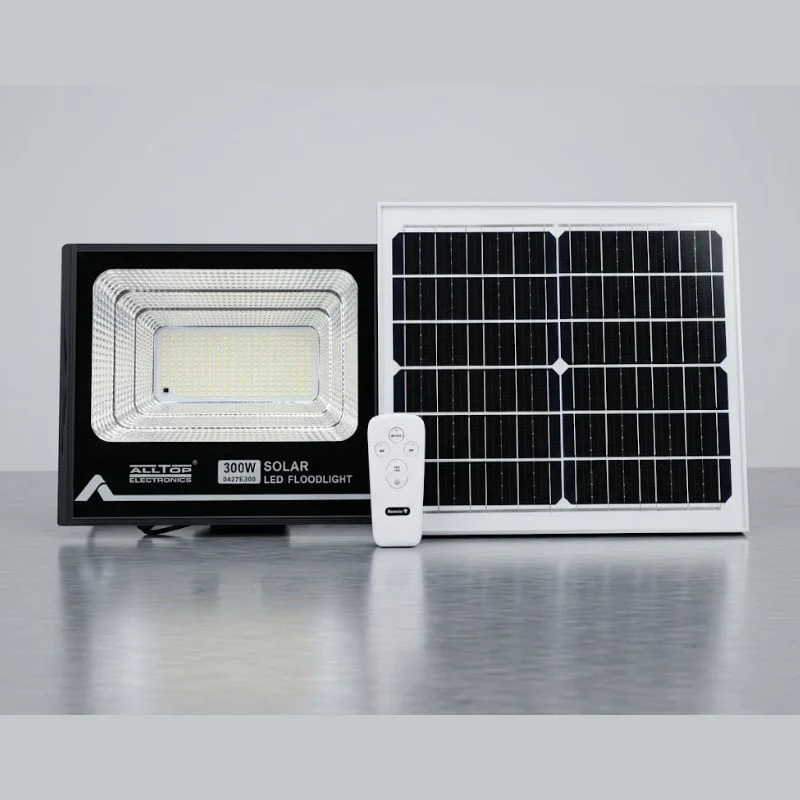
Short answer: LED security floodlights are a low-power load — typically 10–50W per fixture — meaning a small solar setup (1–2 panels with a modest battery) comfortably runs several security lights through the night, and dedicated all-in-one solar floodlights (panel, battery and light combined in a single unit) are often the simplest option for this specific use case.
We stock dedicated solar floodlights sized specifically for this application if a full integrated system isn’t needed.
How Many Solar Panels/Batteries for a Full Home in Kenya?
Short answer: For a household running lights, a fridge, TV, WiFi and phone charging, a 3kW to 5kW hybrid solar system is generally sufficient. For homes also running heavier loads like water pumps, washing machines, freezers or office equipment, a 5kW to 10kW system is more appropriate.
This is genuinely the range where a proper free site survey earns its keep — total daily consumption varies enormously between households even at similar income and appliance levels, and a system sized on assumptions rather than your actual usage either overspends on capacity you don’t need or undersizes and leaves you short during peak evening demand.
Quick Reference Table
| Appliance/Load | Typical Draw | Rough System Guidance |
|---|---|---|
| Fridge | 100–400W (1–3 kWh/day) | 2–3 panels + mid-sized battery |
| Washing machine | 500–2,000W | 4–6 panels + mid-to-large battery |
| Borehole/water pump | 1kW–3kW+ | Dedicated solar pumping system, site-assessed |
| Posho mill | Several kW + high starting surge | Commercial-scale system, site-assessed |
| Electric fence energizer | Under 100W | 1 panel + small battery |
| LED security lights | 10–50W per fixture | 1–2 panels + small battery, or all-in-one solar floodlight |
| Basic home (lights, fridge, TV, WiFi) | — | 3kW–5kW hybrid system |
| Full home (adds pump, washing machine, freezer) | — | 5kW–10kW hybrid system |
Why “It Depends” Is the Honest Answer, Even With a Table Above
Every figure above is a genuine planning reference, not a quote — because real household and commercial loads vary by appliance efficiency, how many hours a day something actually runs, and how much sun exposure your specific location and roof orientation get. Two households running “the same appliances” on paper can have meaningfully different actual consumption. This is precisely why we lead every project with a free site assessment rather than selling a fixed package off a generic sizing chart.
The Cost of Getting Sizing Wrong
Undersizing a system — the most common mistake we see, usually driven by trying to save money upfront — leads to batteries that deplete faster than expected, appliances that can’t start reliably (particularly motor-driven loads like pumps and posho mills), and a system that needs expensive expansion within a year or two rather than being built right the first time. Oversizing, while less risky, means paying for capacity you don’t need. A proper load assessment avoids both.
Frequently Asked Questions
Can I start with a small system and expand later? In many cases, yes — but it’s worth discussing expansion plans upfront, since some components (particularly the inverter) are easier to size generously from the start than to upgrade piecemeal later.
Does cloudy weather significantly affect how many panels I need? Yes — systems in areas with less consistent sun exposure, or households wanting reliable backup through several consecutive cloudy days, generally need either more panel capacity or a larger battery bank to compensate.
Is it cheaper to undersize slightly and add capacity later if needed? Not usually — undersizing typically means appliances underperforming or batteries depleting faster than expected in the meantime, and expanding an existing system later often costs more per unit of capacity than sizing correctly from the outset.
Do I need a professional site assessment, or can I size my own system from a chart like this? A chart like this is a genuinely useful starting point for budgeting conversations, but real sizing accounts for your specific appliances, actual usage hours, and local conditions — a free site assessment removes the guesswork entirely.
Get Your System Sized Correctly
Book a free site assessment: Call or WhatsApp +254 741 163020 or email info@happysolar.co.ke Browse our full range: Happy Solar Systems shop Solar installation packages: Home Solar Power Installation Package
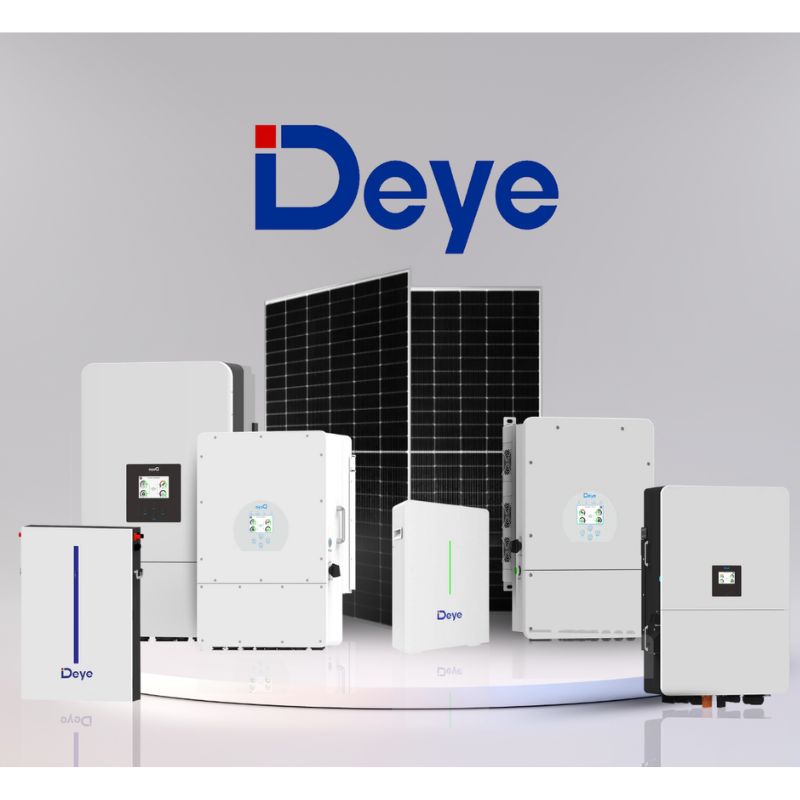
We supply only Tier-1 panels (Jinko, Canadian Solar, JA Solar, Trina) and genuine inverters (Growatt, Deye, Victron) — sized to your actual appliances, not a generic package.