If you’re planning to install solar, one of the first and most important questions is:
“How many solar panels do I need for my home?”
The answer depends on your electricity usage, the size of your home, and whether you want backup during power outages. This guide explains everything in a clear, simple way so you can make the right decision.
Understanding Your Power Needs
The number of solar panels you need is based on how much electricity your home consumes daily.
You can find this information on your Kenya Power bill, usually measured in units (kWh).
Typical Electricity Usage in Kenyan Homes
| Home Type | Daily Consumption |
|---|---|
| Small home (lights, TV, fridge) | 3 – 5 kWh |
| Medium home (adds washing machine, WiFi, etc.) | 5 – 10 kWh |
| Large home (multiple appliances, pumps) | 10 – 20+ kWh |
If you’re unsure, a professional site assessment can give you an accurate estimate.
How Much Power Does One Solar Panel Produce?
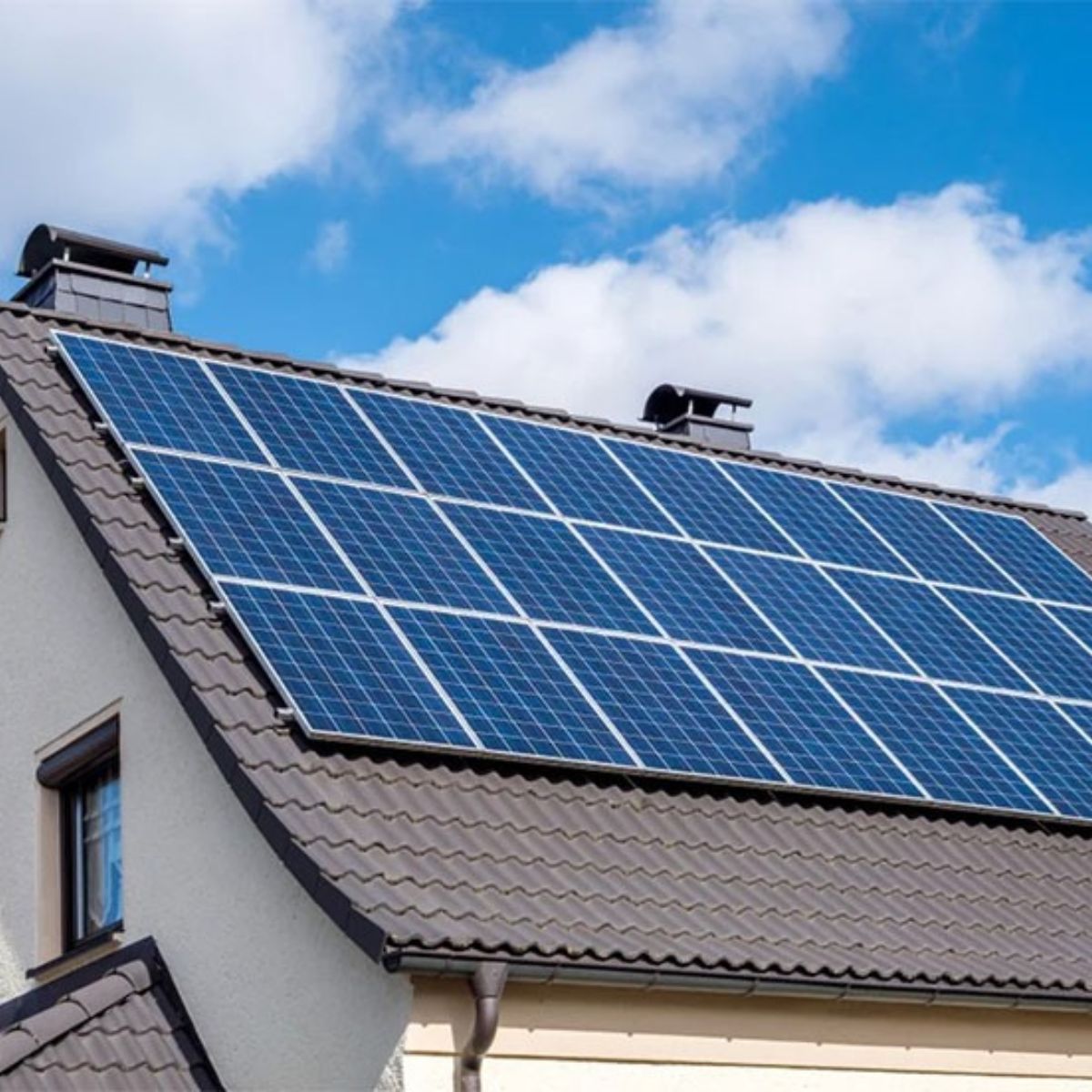
In Kenya, we benefit from strong sunlight throughout the year. On average, a 550W solar panel produces:
- Approximately 2.2 – 2.8 kWh per day
This makes it easier to calculate how many panels your home requires.
How to Estimate the Number of Panels
A simple way to estimate:
Number of panels = Daily energy usage ÷ Energy produced per panel
This gives you a practical starting point for planning your system.
Practical Examples
Small Home (3–5 kWh per day)
You will need approximately 2 to 4 solar panels.
Medium Home (5–10 kWh per day)
You will need approximately 4 to 8 solar panels.
Large Home (10–20 kWh per day)
You will need approximately 8 to 16 or more panels, depending on usage.
Matching Solar Panels with Inverter Size
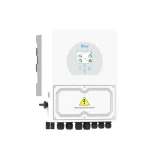
Your inverter plays a key role in determining how many panels your system can support.
Common System Sizes in Kenya
| Inverter Size | Recommended Panels |
|---|---|
| 3kW system | 4 – 6 panels |
| 5kW system | 6 – 10 panels |
| 8kW system | 10 – 14 panels |
| 10kW+ system | 14+ panels |
Choosing the correct combination ensures your system runs efficiently and reliably.
Do You Need a Battery?
This is an important decision for most homeowners in Kenya.
Without a Battery
- Solar power is only available during the day
- Lower installation cost
With a Battery (Recommended)
- Power is available during outages
- You can store excess solar energy
- Greater convenience and reliability
For most homes, a hybrid solar system with battery backup is the preferred option.
Example: Typical Home Installation in Kenya
For a standard 3-bedroom home:
- Inverter: 5kW hybrid inverter
- Solar panels: 6–8 panels (550W each)
- Battery: 5kWh – 10kWh lithium battery
This setup is sufficient for lighting, refrigeration, entertainment, and essential appliances, while also providing backup during power outages.
Key Factors That Affect the Number of Panels
1. Roof Space
Available roof area determines how many panels can be installed.
2. Energy Usage
Higher consumption requires more panels.
3. Future Expansion
It is advisable to plan for future energy needs.
4. Panel Efficiency
Higher wattage panels reduce the total number required.
Common Mistakes to Avoid
- Underestimating your electricity usage
- Installing too few panels
- Choosing the wrong inverter size
- Ignoring battery requirements
- Working with inexperienced installers
A properly designed system ensures long-term performance and value.
Final Recommendation
For most homes in Kenya:
- Small homes: 2 – 4 panels
- Medium homes: 4 – 8 panels
- Large homes: 8 – 16+ panels
A typical residential system often includes:
6 to 10 solar panels with a 5kW hybrid inverter
This provides a good balance of performance, reliability, and cost.
Frequently Asked Questions
1. How many solar panels do I need for a 3-bedroom house in Kenya?
Most 3-bedroom homes require 6 to 10 panels, depending on energy usage.
2. Can solar power run my entire house?
Yes, with a properly sized system that includes battery storage.
3. What size solar panels are recommended?
550W panels are currently the most efficient and widely used in Kenya.
4. Can I start with a small system and upgrade later?
Yes, especially if you install a hybrid inverter that allows expansion.
5. How much does a solar system cost in Kenya?
Costs typically range from KES 150,000 to KES 400,000+, depending on system size and battery capacity.
Contact Happy Solar Systems
If you would like a customized recommendation based on your home and energy needs:
Website: www.happysolar.co.ke
Call | WhatsApp: 0722 708034 | 0720 456534
We offer professional consultation, system design, and installation services across Nairobi, Ruiru, Kiambu, and surrounding areas.