


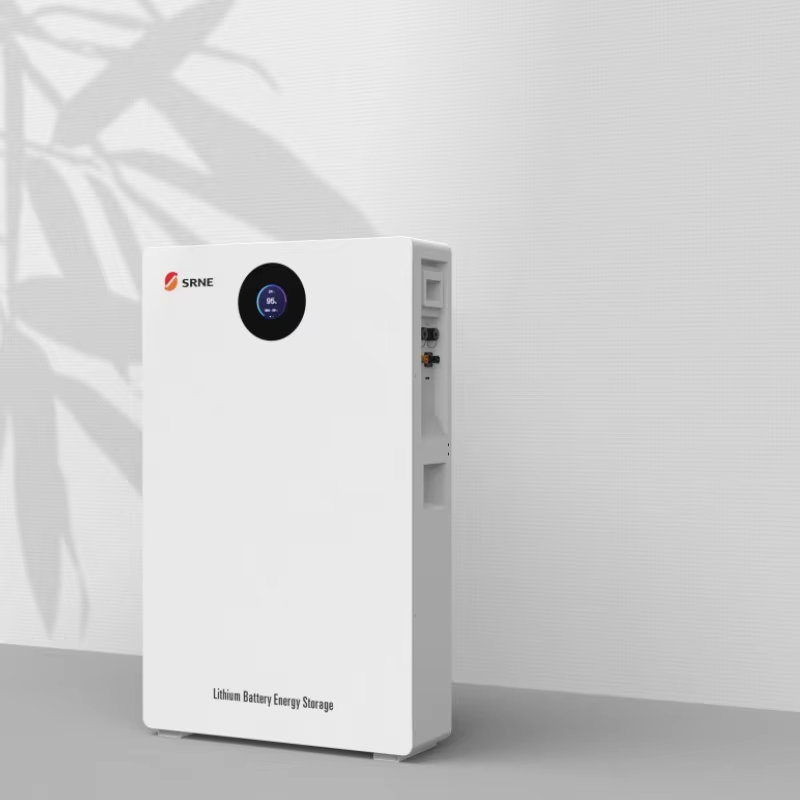
This is probably the question we field most after “how much does it cost.” And honestly, five years ago the answer would have been more complicated. Today it’s a bit more straightforward, but there are still real situations where gel makes sense, so let’s go through it properly instead of just telling you to buy the more expensive one.
The quick version
Lithium batteries cost more upfront, last roughly three to four times longer, and let you use far more of their rated capacity before they need recharging. Gel batteries cost less to buy today, but you’ll likely replace them two or three times over the lifespan of a single lithium battery, and you can only safely use about half their rated capacity.
If budget allows, lithium wins for almost everyone. Where it gets interesting is when budget doesn’t quite allow, and that’s worth being honest about.
Lifespan — the number that matters most
A decent lithium (LiFePO4) battery is typically rated for 3,000 to 6,000 charge cycles, depending on the brand and how deeply you discharge it each time. At one cycle a day, that’s somewhere between 8 and 16 years of daily use before it needs replacing.
A gel battery is usually rated for 500 to 1,200 cycles. Same one-cycle-a-day usage, and you’re looking at 1.5 to 3 years before performance starts dropping off noticeably, maybe a bit longer if you’re gentle with it.
That gap is the whole story, really. Everything else is detail.
Depth of discharge — the part people don’t ask about
This is the one that catches people out. Gel batteries shouldn’t be discharged below about 50% regularly without shortening their life significantly. So a “200Ah gel battery” is, in practical daily-use terms, closer to 100Ah of usable capacity.
Lithium batteries can typically be discharged to 80–90% of their rated capacity without meaningful damage. A 100Ah lithium battery gives you close to 80–90Ah of genuinely usable power, compared to maybe 50Ah from a 100Ah gel battery doing the same job responsibly.
Which means when you compare battery prices by Ah rating alone, you’re not comparing like for like. A smaller lithium battery can out-perform a larger gel bank in real, everyday terms.
Weight and space, if that matters to you
Lithium batteries are significantly lighter and more compact for the same usable capacity — worth knowing if you’re mounting indoors in a small utility room or apartment, less relevant if you’ve got space in a garage or outbuilding.
Charging speed
Lithium accepts a charge faster and handles partial charging better — useful on cloudy days when your panels aren’t producing at full output for long stretches. Gel batteries are slower to charge and prefer a full, uninterrupted charge cycle, which isn’t always realistic during Nairobi’s rainy season.
Where gel still makes sense
If you’re working with a tight budget and need backup power now rather than in three months while you save, a gel-based system gets you functioning blackout protection at a lower entry cost. We’ve installed gel systems for clients who were upgrading from “no backup at all” to “basic backup,” where even a shorter-lived battery was a clear improvement on where they started. It’s a legitimate starting point — just go in knowing you’re likely planning for a replacement sooner, and budget for that rather than being surprised by it.
Gel is also more tolerant of extreme heat in some formulations, which occasionally matters for installations in hotter parts of the country with less reliable cooling/ventilation around the battery compartment — though this is a narrower case than it used to be, as lithium battery management systems have improved.
The honest cost-per-year comparison
It looks backwards on the price tag, but when you spread the cost over the actual usable lifespan, lithium is almost always cheaper per year of service — sometimes by a meaningful margin, once you account for replacing a gel battery two or three times to match one lithium battery’s lifespan. The exception is if you genuinely can’t afford the upfront difference and the alternative is no battery at all — in that case, something working now beats something ideal later.
What we’d tell a friend
If you can stretch to lithium, do it — you’ll replace it far less often and get more real, usable power out of the same stated capacity. If the budget genuinely doesn’t allow it this year, gel is a sound way to get started, and you can upgrade to lithium down the line when the current battery reaches end of life — most hybrid inverters we install are compatible with either, so switching later doesn’t mean replacing your whole system.
Not sure which fits your situation? Message us on WhatsApp with your budget and what you’re trying to power, and we’ll give you a straight answer rather than just upselling the pricier option.


