
Kenyan homebuyers increasingly ask about power reliability before they ask about finishes — a direct result of years of KPLC interruptions shaping what buyers expect from a new home. Developers who build solar into a project from the start, rather than leaving it to individual homeowners to retrofit later, are finding it’s become a genuine sales differentiator, not just an environmental talking point.
Why Solar-Ready Development Has Become a Real Buyer Consideration
Buyers touring show homes and gated developments now routinely ask about backup power alongside security, water supply, and finishes — a question that was rare a decade ago and is close to standard today. A development marketed with solar power already integrated, or genuinely “solar-ready” wiring and infrastructure in place, answers that question before it’s asked, and increasingly functions as a differentiator in a competitive off-plan or new-development market where buyers are comparing several similar projects.
Planning a development and want to discuss solar integration? Call or WhatsApp us on +254 741 163020 — we work directly with developers from design stage through handover.
Two Models: Centralized Estate Power vs Per-Unit Solar-Ready Homes
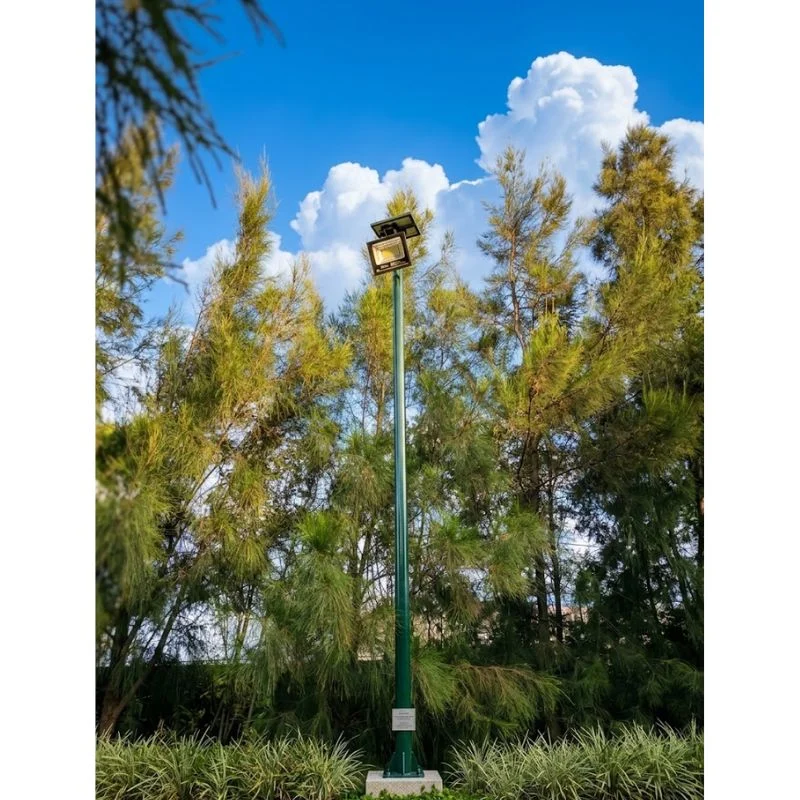
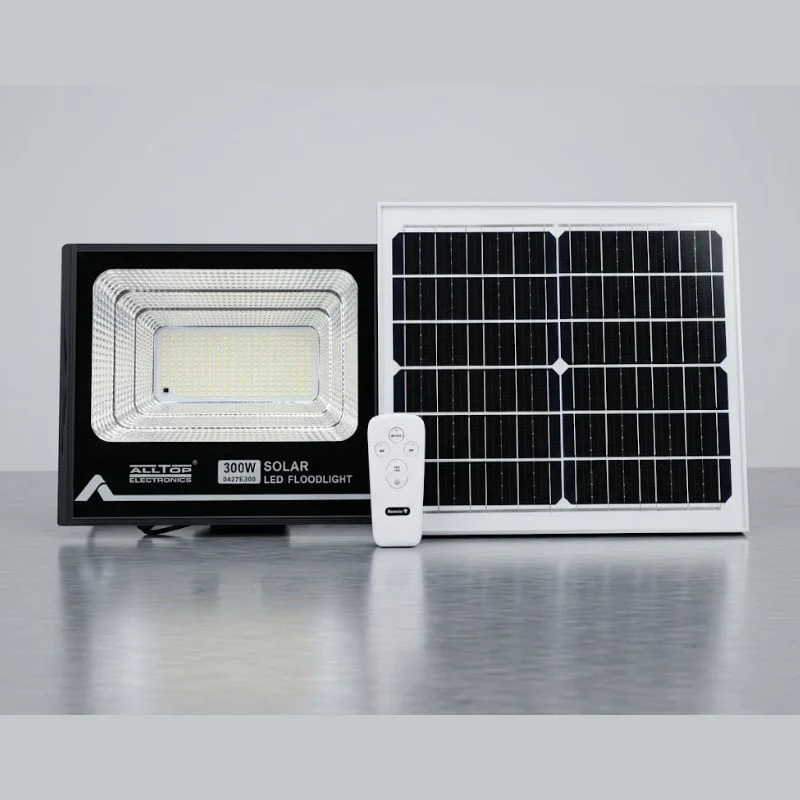
Centralized solar infrastructure powers common areas, security systems, water pumping and lighting for the entire estate from a shared system, reducing the estate management company’s operational costs and providing reliable backup for shared infrastructure regardless of individual homeowner choices — particularly valuable for gate automation, perimeter lighting, water pumping and CCTV systems that need to keep running through outages regardless of what individual units have installed.
Per-unit solar-ready design takes a different approach — each home is built with the electrical infrastructure (conduiting, panel space, inverter-ready wiring) needed for a homeowner to add solar easily after purchase, without needing to break into finished walls or redo electrical work. Some developers go further and include a base solar package as standard, with upgrade options offered at point of sale. This model gives buyers flexibility while still making solar meaningfully easier and cheaper to add than in a standard, non-solar-ready home.
Many developments benefit from combining both — centralized solar for shared estate infrastructure, with solar-ready wiring built into individual units for buyers who want to add their own system.
The Sales and Marketing Case for Developers
Beyond the operational cost savings, solar-ready development is a genuine differentiator in marketing materials and show home tours — “solar-ready” or “solar-powered” has become a meaningful line item in property listings and buyer conversations, particularly for developments targeting buyers who’ve personally experienced KPLC outages disrupting a previous home. For developments in areas with less reliable grid infrastructure, or targeting diaspora buyers purchasing remotely (who are often specifically concerned about property reliability when they’re not there to manage issues themselves), solar readiness or integration can be a decisive factor rather than a nice-to-have.
What Working With Us as a Development Partner Looks Like
We work with developers at the design stage, before construction begins, to plan electrical infrastructure that makes solar integration — whether centralized, per-unit, or both — straightforward rather than retrofitted. This includes conduiting and panel space planning during the design phase, sizing centralized systems for estate common infrastructure (gates, security, water pumping, lighting), and — where developers want to offer solar as a standard or optional package to buyers — structuring per-unit packages that can be sold alongside the property itself.
For estate management companies of already-built developments, we also retrofit centralized solar for common infrastructure even where individual units weren’t originally designed as solar-ready, sizing the system around the estate’s actual shared power needs.
Sizing Centralized Estate Systems
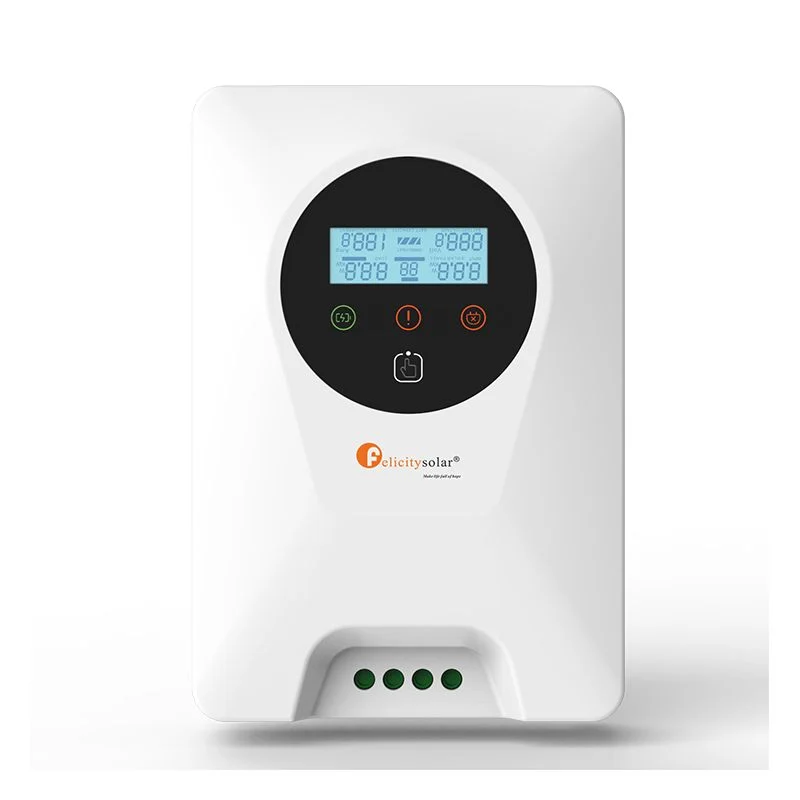
Centralized estate solar typically needs to cover perimeter and street lighting, gate automation and access control systems, water pumping (a genuinely critical shared service in many estates), CCTV and security infrastructure, and common area facilities like clubhouses or shared amenities. These loads are relatively predictable and mostly daytime-and-evening in pattern, making them well suited to a properly sized hybrid system with battery backup specifically for the security-critical loads (gates, CCTV, perimeter lighting) that can’t afford to go dark during an outage.
What This Costs and How It’s Typically Structured
Centralized estate systems are priced against the specific shared infrastructure being covered — a larger estate with more extensive common lighting, water pumping and security infrastructure requires proportionally more capacity than a smaller development. Per-unit solar-ready wiring adds a modest cost to construction that’s considerably lower than retrofitting the same infrastructure into a finished home later, making it a genuinely sensible inclusion at the design stage regardless of whether every buyer takes up the solar option immediately. We work with developers to structure pricing that fits into overall project economics, whether that’s included in the base build cost, offered as a buyer upgrade option, or funded through the estate management company for shared infrastructure.
Frequently Asked Questions
Does solar-ready wiring add significant cost to construction? The marginal cost of planning conduiting and panel space during initial construction is considerably lower than retrofitting the same infrastructure into a completed home — this is precisely why planning at design stage makes financial sense even if not every buyer takes up solar immediately.
Can centralized estate solar and individual homeowner solar coexist? Yes — centralized systems typically cover shared infrastructure (gates, common lighting, water pumping) while individual homeowners can independently add their own solar for in-unit power, without conflict between the two systems.
Do developers see a genuine return on including solar-ready infrastructure? Increasingly yes, both through reduced estate operational costs for centralized systems and through solar readiness functioning as a genuine marketing differentiator in buyer decision-making.
Can existing, already-built estates retrofit centralized solar for common infrastructure? Yes — this is a common request from estate management companies looking to reduce operational costs and improve reliability for shared services like gates and security systems, even where the original development wasn’t built solar-ready.
Discuss a Development Partnership
Book a consultation: Call or WhatsApp +254 741 163020 or email info@happysolar.co.ke Browse our full range: Happy Solar Systems shop
We work with developers from design stage through handover — and with estate management companies retrofitting existing developments.