
A solar system is one of the longest-horizon purchases most Kenyan households or businesses ever make — you’re buying something expected to perform reliably for a quarter of a century. That makes the warranty behind it genuinely important, not paperwork you file away and forget. Yet most buyers never actually read the fine print until something goes wrong, at which point it’s too late to negotiate better terms. Here’s what a solar warranty actually covers, piece by piece, and what to check before you sign anything.
A Solar System Has Four Separate Warranties, Not One
This is the first thing worth understanding, because it trips up a lot of buyers: “my solar system has a warranty” isn’t a single statement — it’s shorthand for at least four separate warranties covering different components, from different manufacturers, often with different terms and different processes for making a claim.
Not sure what’s actually covered on a system you’re considering, or one you already own? Call or WhatsApp us on +254 741 163020 and we’ll walk through the specific terms.
Panel Warranty: Two Different Things Bundled Into One Term
Solar panel warranties actually combine two separate promises. The product warranty (typically 10–12 years for genuine Tier-1 panels) covers manufacturing defects — if a panel fails due to a fault in how it was built, not from external damage, the manufacturer replaces or repairs it within this period. The performance warranty (typically 25 years for genuine Tier-1 panels like Jinko, Canadian Solar, JA Solar and Trina) guarantees the panel will still produce a specified minimum percentage of its original rated output after that period — panels naturally lose a small amount of output capacity each year, and the performance warranty guarantees that degradation stays within an expected curve. If your panels underperform significantly beyond what that curve allows, the performance warranty is what protects you.
Genuine Tier-1 manufacturers stand behind both warranties with real financial backing; this is precisely why buying unbranded or grey-market panels is risky — a supplier that may not exist in a meaningful form in ten years offers a warranty that’s effectively unenforceable when you actually need it.
Inverter Warranty: Usually Shorter, and Worth Checking Closely
Inverters typically carry shorter warranties than panels — commonly 5 years as standard, sometimes extendable to 10 years depending on brand and model. This matters because an inverter is more likely to need replacement or repair within a system’s 25-year lifespan than the panels themselves, given it’s a more complex electronic component with more that can go wrong. When comparing quotes, it’s genuinely worth asking specifically what inverter warranty term is included, and whether an extended warranty option exists — this is an area where cutting corners on warranty length to hit a lower quote price is a real risk worth watching for.
Battery Warranty: The Most Variable of All
Battery warranties vary the most across brands and chemistries, and this is where “read the specific terms” matters most. Genuine LiFePO4 lithium batteries from reputable brands typically carry warranties in the range of 5–10 years, often expressed in terms of both years and a maximum number of charge cycles, whichever comes first. Gel and AGM batteries typically carry shorter warranties, generally 1–3 years, reflecting their shorter expected working lifespan compared to lithium. Because battery degradation is gradual rather than a sudden failure in many cases, it’s worth understanding exactly how a manufacturer defines a valid warranty claim — some define it around capacity dropping below a specified threshold, others only cover outright failure.
Workmanship Warranty: The One the Manufacturer Doesn’t Provide
This is a separate warranty from all three above, and it’s arguably the one that matters most in practice — it covers the quality of the actual installation: wiring, mounting, configuration, and whether the system was assembled and commissioned correctly. Manufacturer warranties cover component defects; they don’t cover a system that underperforms because it was installed incorrectly. This is why the installer’s own workmanship warranty matters as much as the equipment manufacturer’s warranties — a system with excellent component warranties but poor installation quality can still underperform for years without a valid manufacturer claim, because the fault isn’t with the components themselves.
What Typically Voids a Warranty
A few things commonly void manufacturer warranties, worth knowing before they catch you out: physical damage from causes outside normal use (storm damage beyond rated wind/hail tolerance, impact damage, unauthorised modification), installation by unqualified or unauthorised installers for certain manufacturer programmes, and — significantly — using counterfeit or incompatible components alongside genuine ones in ways that void the genuine component’s own coverage. Keeping documentation of your original installation, including proof of genuine component sourcing, protects your ability to make a valid claim later.
How to Actually Make a Warranty Claim
In practice, a warranty claim starts with your installer, not directly with the manufacturer in most cases — a reputable local installer manages the claims process on your behalf, including diagnosing whether an issue is genuinely a covered manufacturer defect versus an installation, maintenance, or usage issue that falls outside warranty scope. This is another reason installer reputation matters as much as equipment brand: a claim submitted by an established, ongoing local business tends to move faster and more reliably than one where the original installer is difficult to reach or no longer operating.
What to Ask Before You Buy
A few direct questions worth asking any solar supplier, not just us: What specific warranty terms apply to each component — panel, inverter, battery — not just a vague “warranted” claim? Is there a separate workmanship warranty covering the installation itself, and for how long? Who actually handles a claim if something goes wrong — the installer, or do you need to contact the manufacturer directly? And has the company been operating long enough, and does it have a track record substantial enough, to be confident it’ll still be around to honour a claim in year eight or year fifteen?
Our Warranty Terms
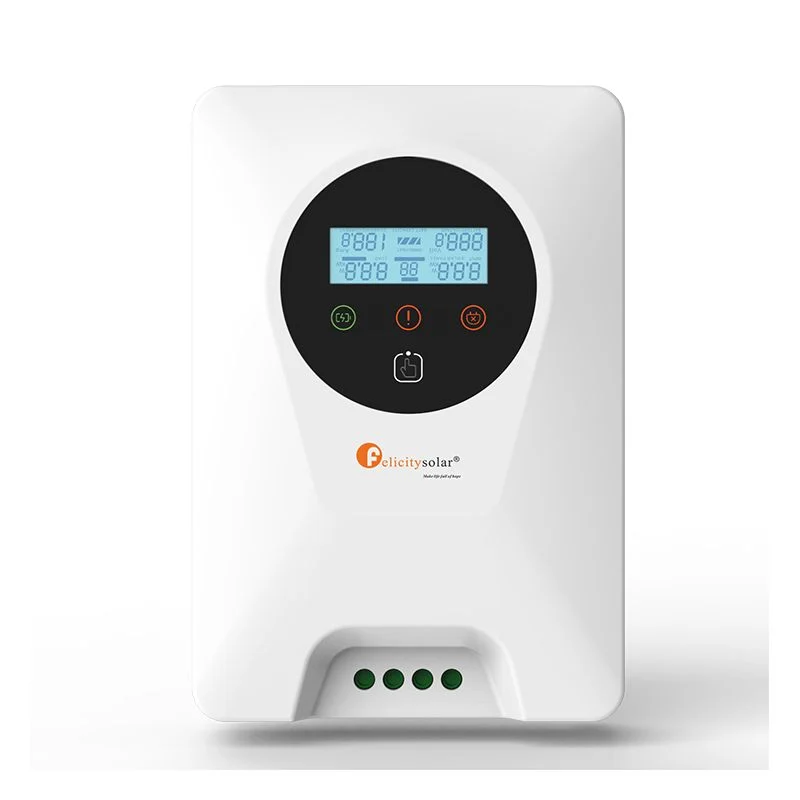
We supply genuine Tier-1 panels with full manufacturer product and performance warranties, genuine branded inverters (Growatt, Deye, Victron Energy, Felicity) with standard manufacturer warranty terms, and genuine batteries (Lithium Valley, Felicity, WECO, Amaron) with their respective manufacturer coverage — alongside our own workmanship warranty on every installation, covering the quality of wiring, mounting and system configuration. If something goes wrong, our team manages the diagnosis and claims process directly, rather than leaving you to navigate a manufacturer’s claims department alone.
Frequently Asked Questions
If my panels underperform after 15 years, am I still covered? If genuine Tier-1 panels are underperforming beyond what their 25-year performance warranty curve allows, yes — this is exactly what the performance warranty (distinct from the shorter product warranty) is designed to protect.
Does the warranty cover damage from a storm or accident? Generally no — manufacturer warranties cover defects in materials and workmanship, not external damage from storms, impacts, or misuse, though your general property insurance may cover this separately.
What happens to my warranty if my installer goes out of business? Manufacturer warranties on genuine components generally remain valid regardless of installer status, since they’re backed by the manufacturer directly — though claims can become more complicated to navigate without your original installer’s support, which is part of why installer longevity and reputation matter.
Can I extend my inverter warranty beyond the standard term? Depending on brand and model, extended warranty options are sometimes available — worth asking specifically if inverter longevity is a priority for your system.
Get Clear Warranty Terms From the Start
Book a consultation: Call or WhatsApp +254 741 163020 or email info@happysolar.co.ke Browse our full range: Happy Solar Systems shop
Genuine components, real manufacturer warranties, and a workmanship warranty we stand behind directly.