

Solar performs well almost anywhere in Kenya, given the country’s consistently strong sun exposure — but the coast presents a specific set of conditions that genuinely change how a system should be specified, even if the core technology is identical to an installation in Nairobi or Nakuru. Heat, humidity and salt air each affect solar equipment differently, and getting the specification right matters more here than in most of the country.
Heat and Panel Efficiency: The Counterintuitive Part
This surprises a lot of first-time buyers: solar panels actually lose a small amount of efficiency as they get hotter, because photovoltaic cells perform best at moderate temperatures rather than extreme heat. Mombasa and the wider coast run consistently hotter than Nairobi’s highland climate, which means coastal panels can run somewhat less efficiently on a pure cell-temperature basis than the same panels would in a cooler inland location — though this doesn’t outweigh the coast’s strong, consistent sun exposure overall. In practice, proper installation with adequate airflow beneath the panels (rather than mounting them flush against a hot roof surface) helps manage this effect, keeping cell temperatures closer to optimal even in Mombasa’s heat.
Planning a solar installation on the coast? Call or WhatsApp us on +254 741 163020 and we’ll walk through what changes for your specific property.
Salt Air and Equipment Corrosion
This is the coastal factor that matters most for long-term system reliability. Salt-laden air accelerates corrosion on standard metal components significantly faster than inland conditions — mounting hardware, panel frames, and electrical enclosures all face a harsher environment along the coast than the same equipment would inland. Standard aluminium panel frames handle coastal conditions reasonably well, but mounting hardware, brackets and fasteners benefit from marine-grade or corrosion-resistant specifications rather than standard inland-grade components, extending the system’s working lifespan considerably compared to using standard hardware in a coastal environment.
Humidity and Electrical Enclosures
Mombasa’s humidity is consistently higher than Nairobi’s, which matters specifically for inverter, charge controller and battery enclosures — moisture ingress into electrical housings is a more realistic risk here than in drier inland regions. Coastal installations benefit from equipment mounted in genuinely weatherproof, well-ventilated enclosures, with more attention paid to sealing and moisture protection at every connection point than a standard inland installation might need.
Does Solar Still Make Sense on the Coast Given These Factors?
Yes, without question — the adjustments needed for coastal conditions are specification details, not reasons to avoid solar. If anything, the coast has a strong case for solar for reasons beyond climate: Mombasa and the wider coastal region see consistent, strong year-round sun exposure, and many coastal properties — hotels, lodges, and homes — face exactly the generator-dependency and cost issues that make solar’s economic case compelling anywhere in Kenya. The adjustments described above simply ensure the system installed is genuinely built to last in coastal conditions, rather than a standard inland specification that degrades faster than it should.
What We Specify Differently for Coastal Installations
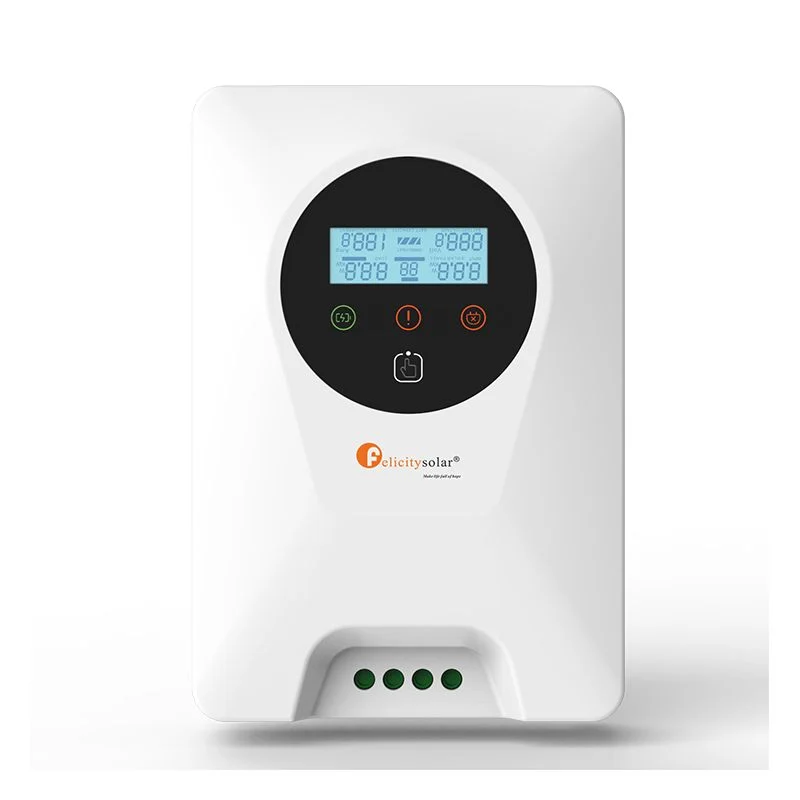
For every coastal project, we specify corrosion-resistant or marine-grade mounting hardware rather than standard fixings, ensure adequate airflow beneath panel arrays to manage heat, and use properly sealed, weatherproof enclosures for inverters, charge controllers and battery housings. None of this changes the core panel, inverter or battery brands we install — Tier-1 panels and genuine Growatt, Deye, Victron and Felicity equipment remain the same — but the mounting and enclosure specification is adjusted specifically for the coastal environment.
Solar for Coastal Hospitality Properties
The coast’s hotel and resort sector is a particularly strong fit for solar, for reasons that go beyond climate. Coastal hospitality properties often run substantial daytime and evening loads — air conditioning, pool equipment, kitchen operations, guest room power — with many properties still relying heavily on generators for reliability. Coastal hotels and resorts in Mombasa, Diani, Watamu and Malindi face the same generator-dependency and guest-experience considerations as inland lodges, and the solar case is just as strong here as anywhere in the country.
Maintenance Considerations Specific to the Coast
Coastal panels benefit from somewhat more frequent cleaning attention than inland installations, since salt spray combined with humidity can leave a film on panel surfaces that rainfall alone doesn’t fully clear — worth erring toward the more frequent end of any general cleaning schedule for coastal properties. Mounting hardware and enclosure seals are also worth a slightly more frequent visual check on the coast, simply because corrosion, when it does occur, progresses faster in this environment than inland.
Frequently Asked Questions
Does heat reduce solar output enough to matter on the coast? The efficiency effect is real but modest, and properly ventilated mounting largely offsets it — the coast’s consistently strong sun exposure keeps overall generation performance solid despite the heat effect.
Do I need special equipment for a coastal solar installation? Not different brands, but different specification — corrosion-resistant mounting hardware and properly sealed electrical enclosures are the main adjustments for coastal conditions.
Is solar worth it for a Mombasa property that already has reliable grid power? Often yes, given how many coastal properties — particularly hospitality businesses — still run significant generator backup for reliability; solar reduces that dependency regardless of general grid reliability.
How often should coastal panels be cleaned compared to inland ones? Generally more frequently, given the combined effect of salt spray and humidity, than a typical inland maintenance schedule.
Get a Coastal Solar Assessment
Book a free site assessment: Call or WhatsApp +254 741 163020 or email info@happysolar.co.ke Browse our full range: Happy Solar Systems shop
Genuine Tier-1 equipment, specified for the coast’s actual conditions — not a standard inland package.