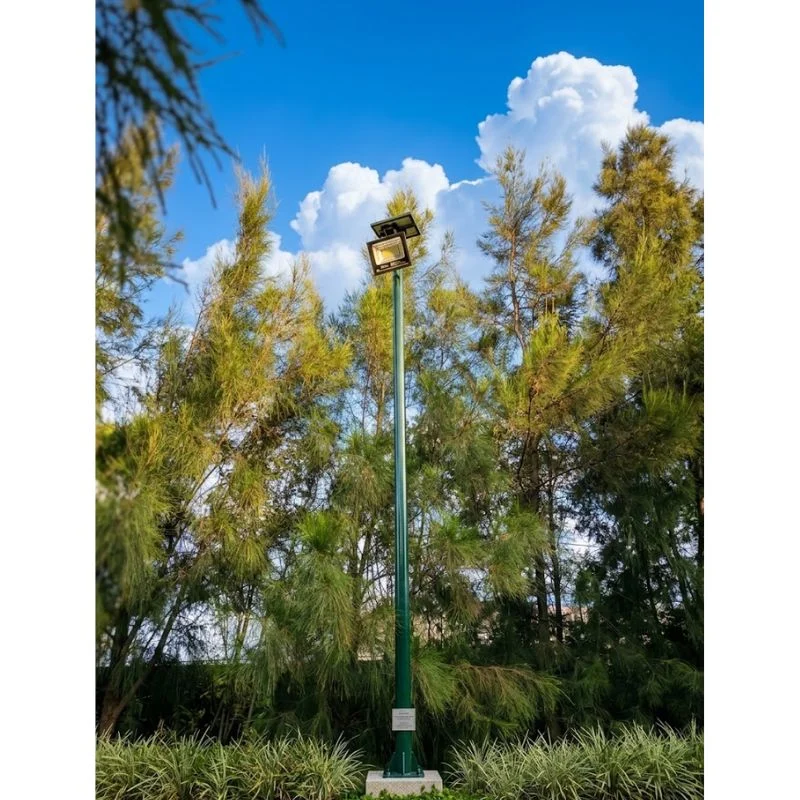

Every solar quote you receive is full of terms that sound important but rarely get explained — kWh, MPPT, depth of discharge, Tier-1, BMS. You shouldn’t need an engineering background to understand what you’re buying. Here’s what everything actually means, in plain language, organised by what part of the system it relates to.
Still not sure what a specific term in your quote means? Call or WhatsApp us on +254 741 163020 and we’ll explain it in the context of your actual system — no jargon, no pressure.
Power and Energy Basics
Watt (W) — the basic unit of electrical power, describing the rate at which energy is used or produced at any given moment. A 100W light bulb consumes 100 watts while it’s switched on.
Kilowatt (kW) — 1,000 watts. Used to describe the size of solar panel arrays, inverters, and larger appliance loads. A “5kW system” refers to its power generation or handling capacity, not the energy it produces over time.
Kilowatt-hour (kWh) — the actual unit of energy consumed or produced over time, and the unit your KPLC bill is calculated in. A 1kW system running for one hour produces 1kWh. This is the number that actually determines your electricity cost and how much battery capacity you need.
Kilovolt-ampere (kVA) — a measure of “apparent power,” commonly used to rate inverters and generators. For most practical residential purposes, kVA and kW are close enough to treat similarly, though the technical distinction (relating to power factor) matters more for larger commercial and industrial systems.
Peak sun hours — the number of hours per day a location receives sunlight intense enough to be considered “full sun” for solar generation purposes, used in system sizing calculations. This is different from simple daylight hours, since it accounts for the actual intensity of sunlight, not just whether the sun is up.
System Components
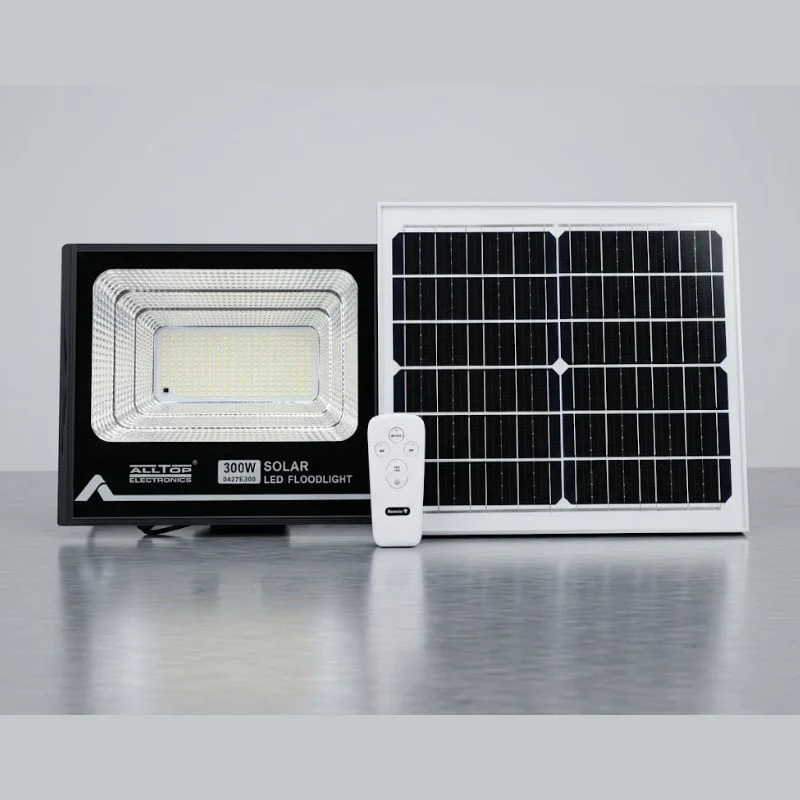
Solar panel / PV module — the panel that converts sunlight directly into electricity using photovoltaic (PV) cells. “Wp” (watt-peak) on a panel’s spec sheet describes its maximum rated output under standard test conditions.
Inverter — converts the direct current (DC) electricity produced by solar panels and stored in batteries into alternating current (AC) electricity, the form used by household and business appliances. The inverter is often described as the “brain” of a solar system, since it also manages how power flows between panels, battery and grid.
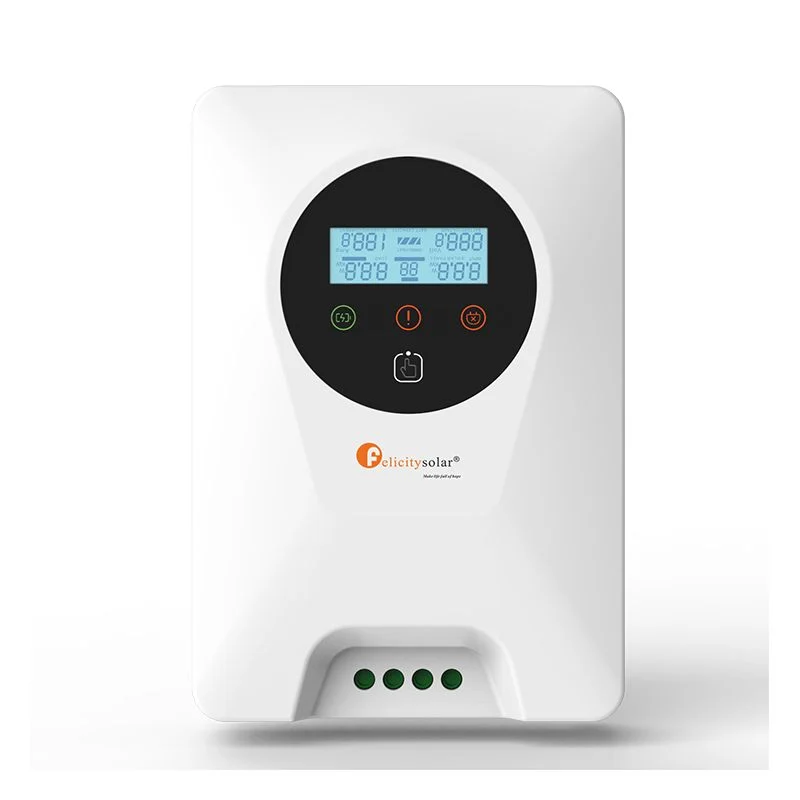
Charge controller — regulates the flow of electricity from solar panels to the battery, preventing overcharging and protecting battery lifespan. Most modern systems use an MPPT (Maximum Power Point Tracking) controller, which continuously adjusts to extract the maximum possible power from the panels under changing sun conditions — generally more efficient than the older, simpler PWM (Pulse Width Modulation) controller type.
BMS (Battery Management System) — an electronic system built into quality batteries, particularly lithium batteries, that monitors and protects against overcharging, overheating, and cell imbalance. A properly engineered BMS is essential for lithium battery safety, which is a large part of why genuine, branded batteries matter over unbranded alternatives.
DC (Direct Current) vs AC (Alternating Current) — solar panels and batteries produce and store DC electricity; most household appliances and the grid itself run on AC. The inverter’s core job is converting between the two.
Battery and Storage Terms
Depth of Discharge (DoD) — how much of a battery’s total rated capacity can be safely used before recharging, without significantly shortening its lifespan. Lithium batteries typically tolerate 80–90% DoD; gel and AGM batteries are generally limited to around 50% to preserve their working life.
Cycle life — the number of full charge-and-discharge cycles a battery can complete before its capacity meaningfully degrades. LiFePO4 lithium batteries typically rate for 4,000–6,000+ cycles; gel and AGM batteries typically rate for 500–1,500 cycles.
LiFePO4 (Lithium Iron Phosphate) — the current standard lithium battery chemistry used in quality solar storage, valued for long cycle life, deep usable discharge, and strong thermal stability compared to other lithium chemistries.
Gel / AGM battery — sealed lead-acid battery technologies, a more established and generally more affordable alternative to lithium, with a shorter cycle life and shallower recommended discharge depth.
Battery bank — multiple batteries connected together to provide the total storage capacity a system needs, sized around expected daily consumption and desired backup duration.
System Types
Off-grid — a solar system with no connection to the national grid at all, generating and storing all its own power independently, typically the standard for remote properties with no KPLC access.
Grid-tie — a solar system connected directly to the grid with no battery storage, offsetting daytime consumption but shutting down automatically during a power outage for safety reasons.
Hybrid — a system connected to the grid but with battery storage, able to draw from solar, battery or grid power as needed and switch automatically to battery power during an outage — the most commonly installed system type for Kenyan homes and businesses wanting both bill savings and backup power.
Tier-1 — a classification (originally from Bloomberg New Energy Finance) ranking solar panel manufacturers by manufacturing scale, financial stability and proven bankability — a genuine, independently assessed quality signal, not just a marketing term.
Financial and Regulatory Terms
Net metering — a billing arrangement, formalised in Kenya under EPRA’s 2024 regulations, crediting solar system owners for excess electricity fed back into the grid, tracked via a dedicated smart meter.
Demand charge — a component of commercial and industrial electricity bills based on the highest rate of power draw recorded during a billing period, separate from total energy consumed — relevant primarily to larger business and industrial solar customers.
Payback period — the time it takes for a solar system’s electricity savings (versus KPLC or diesel costs) to equal the system’s upfront cost, after which the system continues generating essentially free power for the remainder of its lifespan.
Performance warranty — a manufacturer guarantee (typically 25 years on Tier-1 panels) that panel output won’t degrade below a specified percentage of its original rated capacity over that period, distinct from the shorter product/defect warranty.
Frequently Asked Questions
What’s the difference between kW and kWh? kW describes power — the rate of energy use or production at a given moment. kWh describes energy — the total amount used or produced over time, which is what your electricity bill is actually calculated on.
Why does MPPT matter versus PWM? MPPT controllers extract more usable energy from your panels under real-world, changing sun conditions than the simpler PWM type, generally justifying the modest cost difference for most systems.
Is a higher DoD always better? A higher usable depth of discharge means more of your battery’s rated capacity is actually usable day to day, which is one of lithium’s genuine advantages over gel and AGM batteries.
Do I need to understand all these terms to buy solar? No — but understanding the basics helps you compare quotes properly and ask the right questions, which is exactly why we walk every client through their specific system in plain language rather than assuming familiarity with the terminology.
Have More Questions?
Talk to our team: Call or WhatsApp +254 741 163020 or email info@happysolar.co.ke Browse our full range: Happy Solar Systems shop
We’ll explain any part of your system or quote in plain language — no jargon, no assumptions about what you already know.