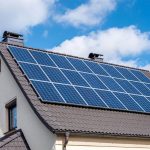

As energy costs in Kenya continue to rise and power interruptions remain a challenge, many homeowners, businesses, and institutions are turning to grid-tied solar systems as a smart and sustainable solution. This system allows you to generate your own electricity from the sun while staying connected to Kenya Power for backup.
What is a Grid-Tied Solar System?
A grid-tied solar system (also called an on-grid system) is a solar power setup that is connected directly to the national electricity grid. It uses solar panels to generate electricity during the day and supplies any surplus power to the grid. At night or during low sunlight, you draw electricity from the grid.
This system does not require batteries, making it more affordable and easier to maintain than off-grid or hybrid systems.
Key Components of a Grid-Tied System:
- Solar Panels – Capture sunlight and convert it into DC electricity.
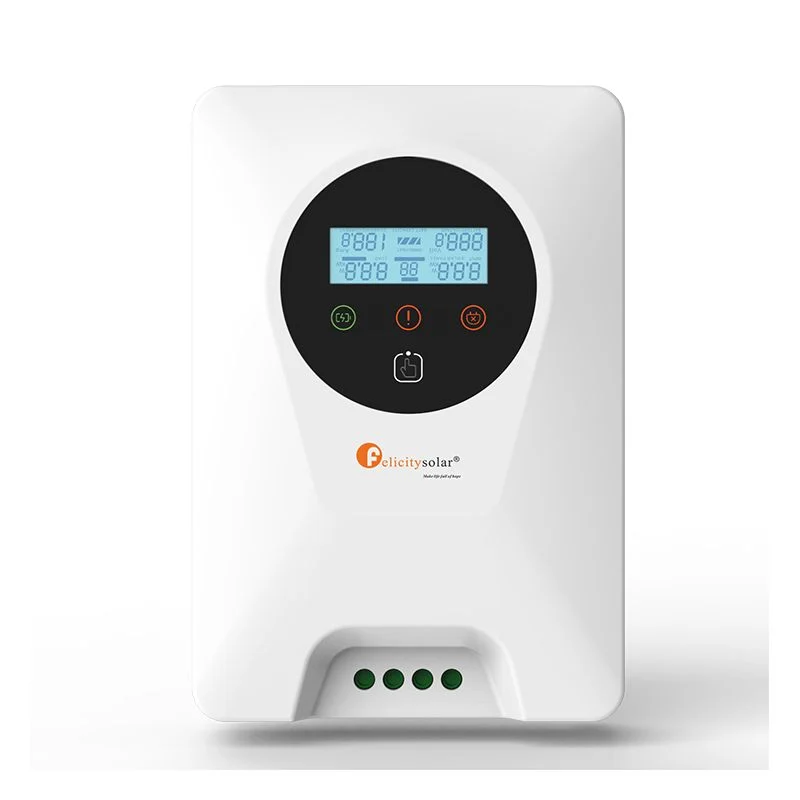
- Grid-Tied Inverter – Converts DC to AC power and syncs with the national grid.
- Mounting Structures – Hold solar panels in place on rooftops or ground installations.
- Monitoring Unit – Allows you to track energy generation and system performance.
Benefits of Grid-Tied Solar Systems in Kenya
1. Significant Cost Savings
Reduce your monthly Kenya Power bills by up to 80% by generating your own electricity during the day.
2. No Battery Costs
Since the system uses the grid as a backup, there’s no need for expensive batteries — making it cheaper to install and maintain.
3. Easy to Install and Maintain
Fewer components mean simpler installation and fewer points of failure.
4. Environmentally Friendly
Solar power is clean and renewable. Reducing dependency on fossil fuels helps lower your carbon footprint.
Practical Uses of Grid-Tied Solar in Kenya
Residential Homes in Nairobi, Mombasa & Nakuru
Homeowners are using grid-tied systems to power lighting, refrigerators, TVs, and electric cookers. During sunny hours, they use solar energy and revert to Kenya Power at night.
Office Buildings in Westlands, Karen, and Upper Hill
Businesses benefit from reduced electricity bills and backup during grid failures. Grid-tied solar offsets daytime consumption when usage is highest.
Schools and Universities
Educational institutions like Strathmore University have adopted grid-tied systems to lower electricity expenses and promote sustainability.
Clinics and Hospitals
Solar power ensures constant energy for life-saving equipment during the day while staying connected to the grid as a fallback.
Shopping Malls and Commercial Centers
Retail centers such as Garden City and Two Rivers Mall integrate grid-tied solar to lower their daytime power draw, saving millions in annual costs.
Is Net Metering Available in Kenya?
Net metering — the ability to sell excess solar energy back to the grid — is still under discussion by energy regulators in Kenya. However, even without net metering, grid-tied systems still offer tremendous savings by reducing grid power usage during the day.
Estimated Cost of a Grid-Tied Solar Systems in Kenya
| System Size | Suitable For | Estimated Cost (KES) |
|---|---|---|
| 3kW | 2-3 bedroom house | 300,000 – 400,000 |
| 5kW | Medium homes, small offices | 450,000 – 600,000 |
| 10kW | Large homes, small schools | 850,000 – 1,200,000 |
| 20kW+ | Commercial properties | 1.8M – 2.5M+ |
Note: Costs vary based on quality of components (e.g., Jinko or JA Solar panels, Growatt or Fronius inverters), installation complexity, and site location.
FAQs About Grid-Tied Solar in Kenya
1. Can a grid-tied system work during blackouts?
No. For safety reasons, grid-tied inverters shut down during blackouts unless you have a hybrid inverter and battery backup.
2. Do I need a KPLC permit to install grid-tied solar?
For large installations, yes. NEMA and EPRA approvals may also be needed. A professional solar provider will handle the paperwork.
3. Can I upgrade later to include batteries?
Yes. Many grid-tied systems are battery-ready and can be upgraded to hybrid systems.
4. How long does installation take?
Typically 1–5 days depending on system size and roof type.
5. Will the system reduce my Kenya Power bill to zero?
It can reduce it significantly, but not entirely unless battery backup or net metering is available.
Talk to the Experts for Grid-Tied Solar Systems
At Happy Solar System, we supply and install high-performance grid-tied solar systems across Kenya — including Nairobi, Kiambu, Mombasa, Kisumu, and Eldoret. We work with trusted brands like JA Solar, Jinko, Canadian Solar, Fronius, and Growatt to give you long-lasting solutions.
Call/WhatsApp: 0741 163020
Website: www.happysolar.co.ke
Email: info@happysolar.co.ke
Power your home or business with the sun — and slash your electricity bills starting today.
Here are some informative YouTube videos that explain how grid-tied solar systems work, which can be particularly relevant for those interested in solar energy solutions in Kenya:
- How do grid-tied solar systems work?
This video provides a visual explanation of how a grid-tied solar system operates throughout the day.
Watch here: YouTube - How Grid Tie Inverters Work – Simple Explanation
This video offers a straightforward explanation of how grid-tie inverters function, which is essential for understanding grid-tied solar systems.
Watch here: YouTube - Grid Connected PV Systems
This video discusses the components and operation of grid-connected photovoltaic systems.
Watch here: YouTube - What is Grid Tied Solar System without Net Metering
This video explains how grid-tied solar systems function in scenarios where net metering is not available, which is pertinent to the Kenyan context.
Watch here: YouTube - Complete, Step-by-Step & Actual Installation of On-Grid/Grid-Tied Solar System
This video provides a comprehensive, step-by-step guide to installing a grid-tied solar system, offering practical insights into the installation process.
Watch here: YouTube
These videos should provide a solid understanding of grid-tied solar systems and their applications. If you need further information or assistance regarding solar power solutions in Kenya, feel free to ask!