
Kenyan farms lose more to unreliable power than most farmers ever add up in one place — spoiled milk when a chiller goes down, a dry irrigation schedule when a pump can’t run, diesel receipts that eat into thin margins season after season. Solar has become the practical answer for a growing number of farms precisely because it solves the specific problem grid power in rural Kenya often can’t: power that’s actually there when the farm needs it, without a monthly fuel bill attached.
A Working Example: A Nakuru Dairy Farm
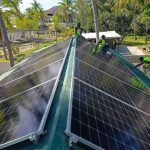
James, a dairy farmer in Nakuru, was losing money to unreliable grid electricity before switching to solar. Today his farm runs its cold storage rooms and broader operations entirely on a solar system designed for his specific setup — no more losses from power cuts affecting milk storage, and no ongoing diesel cost to keep production running. It’s a genuinely representative example of what solar can fix for a working farm: not a lifestyle upgrade, but a direct fix to a real, recurring operational loss.
Dealing with a similar problem on your farm? Call or WhatsApp us on +254 741 163020 and tell us what’s actually failing — we’ll design around that specific need.
Solar Water Pumping and Irrigation
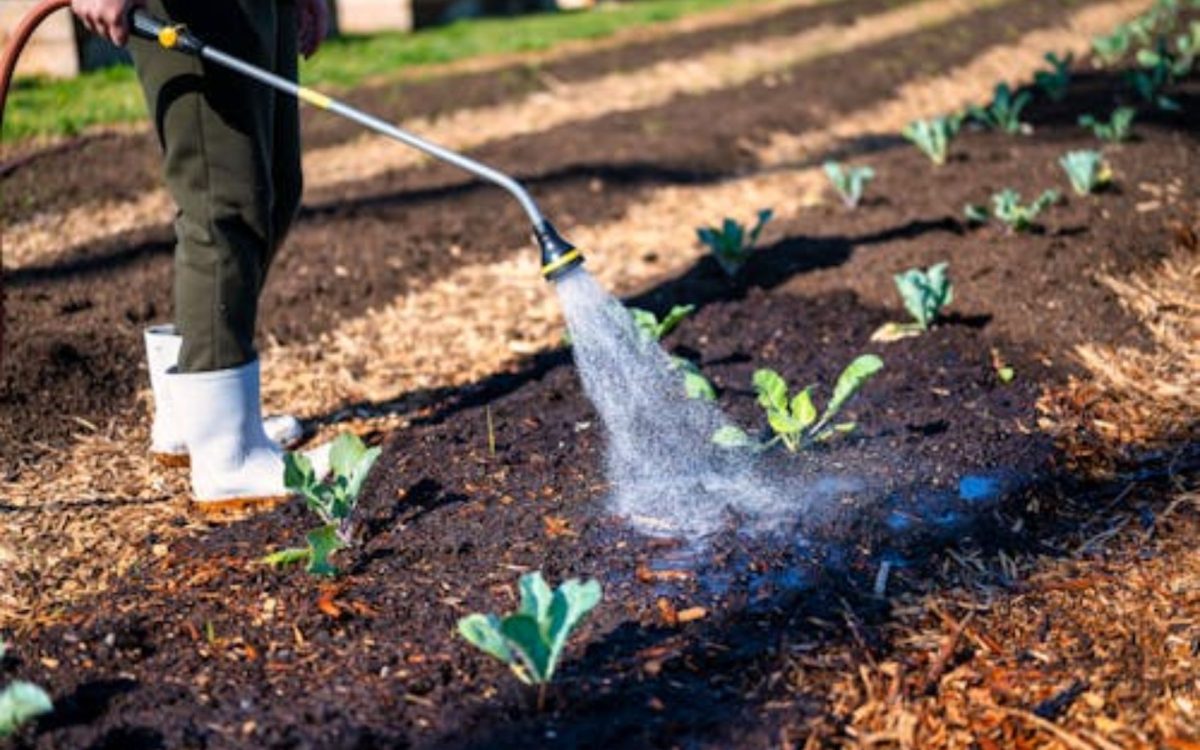
This is one of the highest-impact applications of solar on Kenyan farms, and one of the simplest to understand economically — a diesel-powered borehole or irrigation pump has an ongoing fuel cost for every hour it runs, while a solar pump draws power from the sun at effectively zero marginal cost once installed.
We supply DC solar pumps sized to different farm scales: a 750W pump, our most popular model, delivers strong flow from boreholes up to roughly 80 metres deep — well suited to farms, water kiosks and community supply projects needing reliable daily output. A 1,100W pump steps up for larger farm irrigation and community water projects needing higher flow rates, typically requiring a 1kW+ solar array to run at full capacity. And our 1,500W pump, the highest-capacity option in this range, suits high-demand commercial irrigation and processing facilities, requiring a 1.5kW+ array for reliable full-speed operation.
These DC pumps run directly from solar panels with no inverter or battery required during daylight hours — pump output naturally follows available sunlight, running at full speed in strong sun and slowing under cloud cover, which makes them ideal for filling a storage tank during the day that then provides gravity-fed water supply overnight, rather than needing continuous real-time pumping.
Cold Storage and Refrigeration
For dairy farms, this is often the single most critical application — milk spoils fast without reliable chilling, and a power outage at the wrong moment can mean a full day’s production lost. A properly sized hybrid solar system with adequate battery backup keeps cold storage running through outages that would otherwise interrupt refrigeration, protecting both product quality and farm revenue. The same principle applies to vegetable and produce cold storage for horticultural farms, where consistent temperature control directly affects shelf life and marketable yield.
Poultry and Livestock Operations
Poultry farms have specific, predictable power needs — incubation temperature control, brooding heat lamps, ventilation, and lighting for extended laying cycles — all of which benefit from power that doesn’t fail unpredictably. A solar system sized around these specific loads keeps incubators and brooders running reliably, which matters considerably more for poultry than for many other farm applications, since incubation and early brooding are highly sensitive to temperature consistency.
Milling and Processing Equipment
Grain mills, threshers and other processing equipment represent some of the heaviest loads on a working farm, typically drawing several kilowatts with a significant motor starting surge. This is squarely commercial-scale solar territory, needing a properly engineered system with panels, battery capacity and an inverter specifically rated to handle the starting surge — not a standard residential setup. We size these systems around a farm’s actual equipment specifications during the site assessment, since undersizing shows up immediately as equipment that simply won’t start, not a gradual performance decline.
Sizing a Farm Solar System Correctly
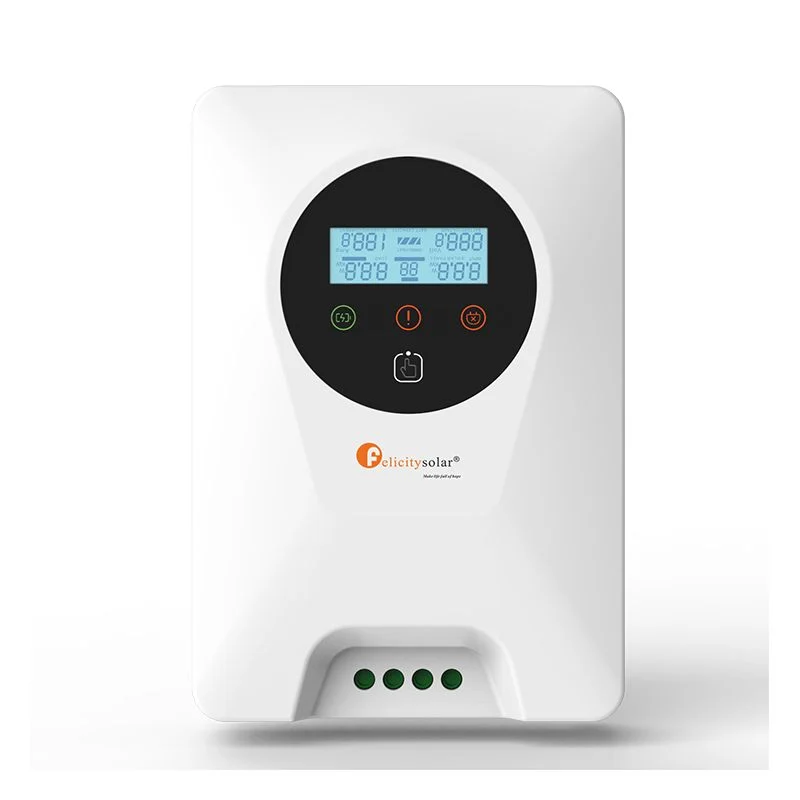
Farm loads vary more than almost any other category we design for — a small-scale dairy operation with a single chiller has very different needs from a mixed farm running irrigation, cold storage and processing equipment simultaneously. Larger farm and commercial systems typically need higher-capacity charge controllers to manage the additional load — our EPEVER TRACER and Felicity MPPT controller ranges scale up specifically for this, with 80A and 100A models suited to farm, school and commercial installations needing maximum solar energy harvest from larger panel arrays.
This is genuinely one of the applications where a proper site assessment matters most. Farm loads often combine steady, predictable draws (lighting, basic refrigeration) with occasional heavy surges (pump start-up, mill motors), and a system sized only for average consumption without accounting for peak surge demand will underperform exactly when the farm needs it most.
Solar for Off-Grid and Remote Farms
For farms with no grid connection at all — common across much of rural Kenya — off-grid solar isn’t an upgrade, it’s the only realistic path to reliable electricity, and it’s frequently more practical and affordable than the cost of extending a grid connection to a remote property. A properly designed off-grid system covers lighting, refrigeration, water pumping and basic equipment needs entirely independently of KPLC, which is why off-grid solar has become standard infrastructure for remote homesteads, farms and rural schools and clinics across the country.
What Farm Solar Systems Cost
Farm systems vary considerably in cost depending on total load, whether irrigation and processing equipment are included, and battery capacity for cold storage or other critical continuous loads. As a general guide, a basic farm system covering lighting and a single chiller or pump represents a modest investment, while a comprehensive system covering irrigation, cold storage and processing equipment together represents a larger, genuinely commercial-scale project. An accurate figure depends entirely on your specific equipment and usage pattern — exactly what a free site assessment is designed to calculate.
Frequently Asked Questions
Can I start with solar for just my water pump and expand to cover the rest of the farm later? Yes — many farms start with the highest-impact single application (often irrigation or cold storage) and expand coverage in phases as budget allows.
Do solar pumps work during Kenya’s cloudy or rainy seasons? Yes, though DC pumps running directly from panels will naturally slow with reduced sunlight — for farms needing guaranteed output regardless of weather, pairing the pump with battery storage or sizing a larger array provides more consistent performance.
How reliable is solar for critical cold storage, compared to grid power? With a correctly sized battery bank, a solar hybrid system can be more reliable than grid power in areas with frequent outages, since it isn’t dependent on KPLC at all for continuous operation.
Is solar cost-effective for a small-scale farm, or only larger operations? Solar scales down effectively — a single chiller or pump can be solar-powered cost-effectively even on a small farm, without needing a full-farm system from the outset.
Get a Farm Solar System Sized for Your Operation
Book a free site assessment: Call or WhatsApp +254 741 163020 or email info@happysolar.co.ke Browse our full range: Happy Solar Systems shop Solar pumping and accessories: Solar Power Accessories
From a single borehole pump to full farm electrification — sized around your actual equipment, not a generic package.